I-70 Denver to the Mountains in Winter: Traction Law and Chain Rules
Colorado's I-70 traction law and chain law apply from Sept. 1 to May 31. See what vehicles need, where closures happen and the best times to drive west.
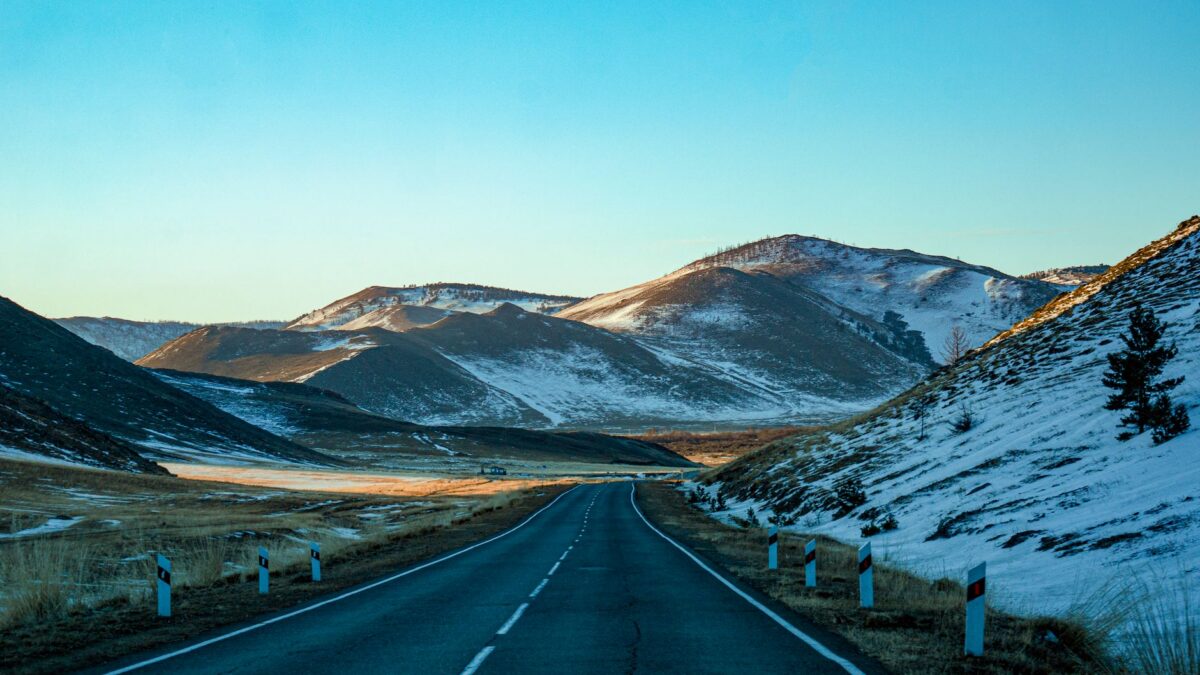
Colorado’s Traction Law and Passenger Vehicle Chain Law apply on the I-70 mountain corridor from Sept. 1 to May 31, and the Colorado Department of Transportation (CDOT) turns them on when conditions call for it. To drive west from Denver in winter, carry chains or another approved traction device, check road conditions before you leave, and avoid the peak ski-traffic windows on weekend mornings westbound and weekend afternoons eastbound.
The corridor climbs from the Front Range to the Eisenhower-Johnson Memorial Tunnels at more than 11,000 feet (3,350 m) and crosses Vail Pass at about 10,660 feet (3,250 m). Snow, wind and crashes can shut it for hours, and traffic builds quickly on weekends.
What is the Colorado Traction Law on I-70?
The Traction Law, known as Code 15, requires every passenger vehicle on the affected stretch to have adequate tires when CDOT activates it. Acceptable setups include snow tires, tires with the mountain-snowflake symbol, or tires marked M+S (mud and snow) with enough tread depth, and four-wheel or all-wheel drive vehicles with those tires. Vehicles with only summer or worn tires do not qualify. Chains or an approved alternative traction device also satisfy the law.
Check the tread on every tire before you go. The tread depth CDOT requires is stated on its website, and worn tires fail even when marked M+S. A vehicle that does not meet the law and then blocks the road can be cited, and a stuck car can close lanes for everyone behind it.
What is the Passenger Vehicle Chain Law?
The Chain Law, known as Code 16, is the stricter step. When CDOT activates it, passenger vehicles must carry chains or an approved alternative traction device, and in the worst conditions all vehicles need them regardless of drive type. If you own all-wheel drive, you still need to carry chains when this code is in effect.
Practice putting chains on in a dry driveway before the trip. Doing it for the first time on a snowy shoulder with trucks passing is slow and dangerous. Alternative traction devices, such as fabric snow socks sold as approved products, are allowed in some cases, so check the CDOT list before buying.
Where and when does I-70 close?
Closures happen for heavy snow, avalanche control, crashes and spinouts. Common trouble spots are Vail Pass, the approach to the Eisenhower Tunnel and the climb past Georgetown. Loveland Pass, the high road that runs beside the tunnel route, also closes in storms.
Closures can last from under an hour to many hours, and the backup behind them can run for miles. Carry a full tank of gas, warm layers, water, snacks and a phone charger in the car in case you are stopped. For a rough budget of fuel for the trip, use the road trip gas cost calculator.
What are the best times to drive I-70 in winter?
The lightest traffic westbound comes on weekdays and on weekend mornings very early, before the ski-day rush. The heaviest westbound traffic is Friday afternoon and Saturday morning. Eastbound traffic back toward Denver is heaviest on Sunday afternoon and evening. Holiday weekends stretch these times, as the guide to New Year’s Day traffic explains.
If your plans allow, travel Monday to Thursday, leave Denver before sunrise or wait until the evening rush has passed, and head home on Monday instead of Sunday. A storm changes everything: when snow is forecast, delay the trip or leave a day early.
How do I check conditions before I leave?
Look at COtrip, CDOT’s live road conditions map, or dial 511 in Colorado for road reports. The National Weather Service’s forecast for the mountain zone at weather.gov shows snow and wind. CDOT’s own site, codot.gov, lists the current rules and has the traction device list.
Check again before each leg, since conditions can change within an hour. Fill the windshield washer reservoir with winter fluid and clear all snow and ice off the roof, hood and windows before you pull out.
Which mountain towns are reached from I-70?
Many popular ski towns sit along or near the corridor. The best mountain towns in Colorado guide covers options for summer and winter trips, and each town differs in how far it is from Denver and which pass you cross to reach it.
Quick answers
Do I need chains if I have all-wheel drive?
Under the Traction Law, all-wheel drive with proper tires can meet the requirement. Under the Chain Law, you still need to carry chains or an approved device.
When does the traction law start each year?
The winter rules apply from Sept. 1 to May 31, although CDOT activates them only when weather and road conditions require it.
Can I rent a car in Denver for a ski trip?
Rental cars are allowed on I-70, but ask the rental company what tires the vehicle has and whether chains are allowed, since rental agreements vary.
Is Loveland Pass an alternative when I-70 is closed?
Loveland Pass is a steep, high mountain road that closes in storms and is not a dependable detour. Check conditions before choosing it.