New Year’s Day Traffic: Best and Worst Times to Drive
New Year's Day traffic is usually light in the morning and heavier later as travelers head home. See the best times to drive and what to avoid.
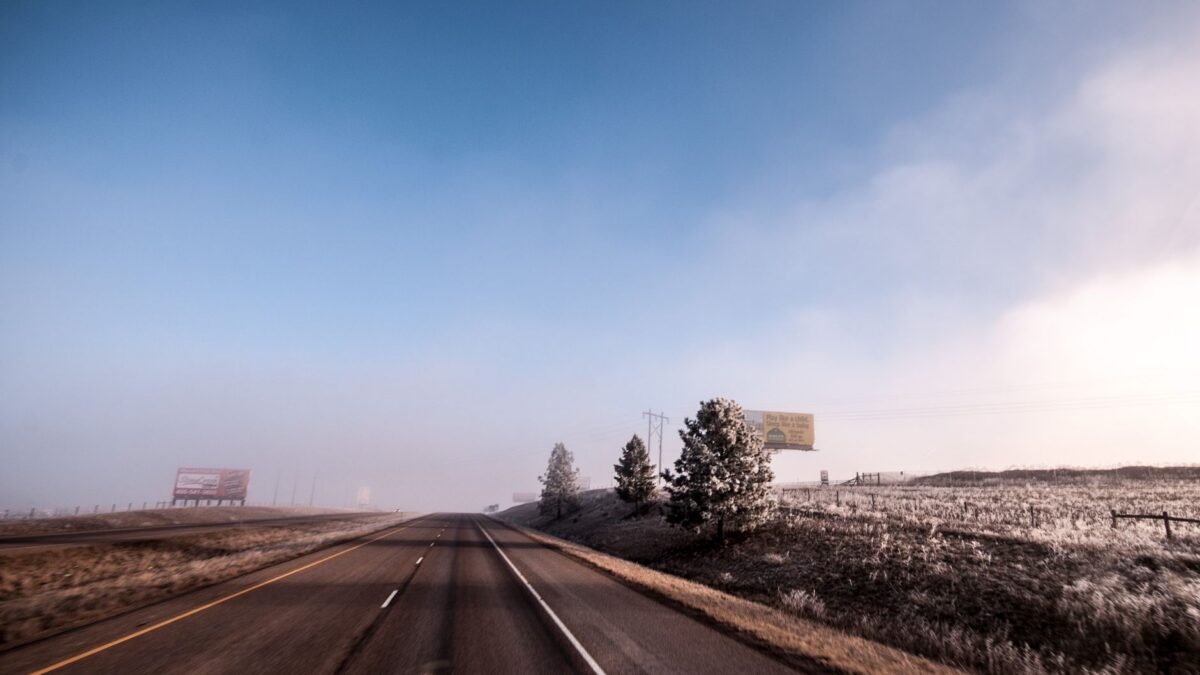
Traffic on New Year’s Day is usually light, especially in the morning, because January 1 is a federal holiday, most offices and schools are closed and many people stay home after a late night. Roads get busier from late morning into the evening as holiday travelers drive home, and the hours right after midnight are among the most dangerous of the year because of impaired drivers. The best time to drive on New Year’s Day is generally early to mid morning.
When is traffic lightest on New Year’s Day?
Traffic is usually lightest from early morning until late morning on January 1. Commuter traffic is nearly absent, delivery and work trucks are fewer, and many people who stayed up on New Year’s Eve are still asleep. In most cities, highways that are jammed on a normal weekday move freely at that hour. If you have a long drive home after the holidays, leaving shortly after breakfast lets you cover the first several hours before the road fills up.
When is traffic worst?
The heaviest New Year’s Day traffic usually builds in the afternoon and evening, when people return from holiday visits, ski trips and vacations before work resumes. The pattern is stronger in a few situations:
- When January 1 falls on a Friday, Saturday or Sunday, the return rush often spreads into the following day, which becomes the busiest of the weekend.
- When January 1 falls on a Thursday, many people take Friday off, and return traffic shifts to Sunday.
- Routes out of ski areas, beach towns and national parks back toward big metro areas get the heaviest late-day backups.
- Roads near large events, such as the Rose Parade in Pasadena and college football bowl games, are crowded before and after the events.
The pattern is similar to other holidays: the trip home bunches up at the end of the break. Our look at Thanksgiving road trip traffic shows the same peaks around the return day.
Is it safe to drive right after midnight on New Year’s Eve?
The hours just after midnight on January 1 are one of the riskiest times to drive all year. Roads may look quiet, but a larger share of drivers are impaired after New Year’s Eve parties. The National Highway Traffic Safety Administration runs drunk-driving enforcement campaigns over the holidays, and police in many states add patrols and sobriety checkpoints that night.
If you are out for New Year’s Eve, plan a sober driver, a rideshare or transit ahead of time, and expect long waits and surge pricing for rides right after midnight. Our guide to New Year’s Eve celebrations in the US covers popular events where getting home takes planning.
How does winter weather change New Year’s Day driving?
Winter weather can matter more than traffic volume on January 1. Snow and ice slow everything in the northern states and the mountains, and a storm on the return day can turn a light-traffic morning into a crawl. Mountain passes may require chains or snow tires, and some close for hours during storms.
- Check the National Weather Service forecast for your whole route the night before and again in the morning.
- Check your state’s 511 road information service or transportation department site for closures and chain rules.
- Carry warm clothes, water, snacks, a phone charger and a scraper, and keep the tank at least half full.
Are gas stations and rest stops open on New Year’s Day?
Most highway gas stations and travel centers stay open on New Year’s Day, but some smaller stations, repair shops and restaurants in rural areas close or keep short hours. Fill up before you leave and before long empty stretches. You can estimate fuel for the trip with our road trip gas cost calculator.
What is the best plan for driving home after the holidays?
Leave early in the morning, ideally on New Year’s Day itself if your return day is otherwise the last day off. If you can, add a day off and travel when most people are back at work. Avoid driving between about midnight and the early morning hours of January 1. Build in extra time for weather, and check traffic apps before you set off and during stops, since crashes and storms cause most of the worst delays.
Quick answers
Is New Year’s Day a good day for a road trip?
Yes, for the morning hours. Roads are quiet, and you can reach many destinations before the afternoon return rush.
Is the day after New Year’s Day busy?
It often is, especially when it falls on a weekend and is the last day before work and school resume.
Are tolls and HOV rules different on holidays?
Some HOV and express lanes change their rules on federal holidays, and toll schedules vary by state. Check the operator’s website for your route.