National Park Fees for International Visitors: The $100 Rule
Since January 2026, visitors from abroad pay extra at the busiest parks. Here is how the $100 fee works, when the $250 pass pays off and who counts as a resident.
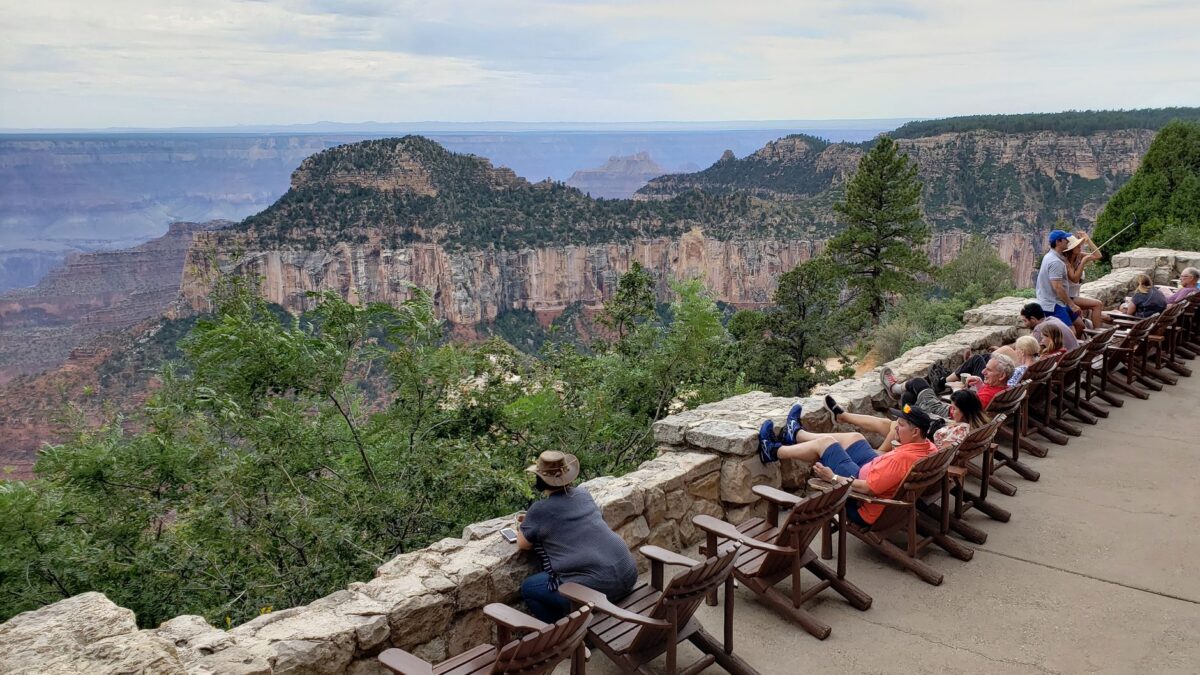
Since January 1, 2026, international visitors who are not U.S. residents pay the standard entrance fee plus a $100 nonresident fee per person aged 16 and older at 11 of the most visited U.S. national parks, including Yellowstone, Yosemite, Grand Canyon and Zion. The alternative is the $250 Non-Resident Annual Pass, which covers entrance and nonresident fees for everyone in one private vehicle for a year. For two or more adults, the pass usually pays for itself at the first surcharge park.
The rules below come from the National Park Service as of November 2026, with worked examples so you can see what your own trip will cost.
Which national parks charge the $100 nonresident fee?
Eleven parks add the $100 per-person fee for nonresidents. All of them also charge a standard $35 private-vehicle entrance fee, valid for seven days.
| Park | State | Standard vehicle fee | Extra per nonresident aged 16+ |
|---|---|---|---|
| Acadia | Maine | $35 | $100 |
| Bryce Canyon | Utah | $35 | $100 |
| Everglades | Florida | $35 | $100 |
| Glacier | Montana | $35 | $100 |
| Grand Canyon | Arizona | $35 | $100 |
| Grand Teton | Wyoming | $35 | $100 |
| Rocky Mountain | Colorado | $35 (7 days) or $30 (1 day) | $100 |
| Sequoia and Kings Canyon | California | $35 | $100 |
| Yellowstone | Wyoming, Montana, Idaho | $35 | $100 |
| Yosemite | California | $35 | $100 |
| Zion | Utah | $35 | $100 |
Every other national park charges nonresidents the same entrance fee as everyone else. That includes Arches, Canyonlands, Capitol Reef, Joshua Tree, Death Valley, Olympic, Mount Rainier, Shenandoah, Haleakalā and Hawaiʻi Volcanoes. Great Smoky Mountains has no entrance fee at all, though it requires a paid parking tag.
How is the nonresident fee charged?
The nonresident fee is a per-person charge, not a per-vehicle charge. These are the main rules on the National Park Service nonresident fees page:
- It applies to each non-U.S. resident aged 16 and older. Children 15 and under do not pay it.
- It is charged on top of the standard entrance fee, at each of the 11 parks you visit.
- It applies to nonresidents on commercial and concessioner tours too, not only to people driving themselves.
- It is waived for anyone admitted with an annual pass, either the $250 Non-Resident Annual Pass or a park-specific annual pass.
- It is not waived on fee-free days. Since 2026, fee-free days apply only to U.S. citizens and residents.
Many entrances are cashless. Yosemite, for example, takes only cards and mobile payments, so bring a card that works in the U.S.
Who counts as a U.S. resident?
To buy the $80 resident pass, the National Park Service asks for proof of U.S. citizenship or residency. Accepted documents include a U.S. passport, a U.S. state or territory driver’s license or state ID, or a Permanent Resident Card (green card). Visitors on tourist visas or the Visa Waiver Program are nonresidents for these fees.
Digital passes are checked at the gate: buyers show photo ID when they use the pass, and anyone who is not eligible for the resident pass is asked to upgrade. The Park Service does not separately address international students or temporary workers, so if your status is unclear, ask the park before you buy.
Is the $250 Non-Resident Annual Pass worth it?
The $250 pass pays off quickly because one pass covers the whole private vehicle, or two motorcycles, or the pass holder plus three adults where parks charge per person. The table compares paying at each gate with buying the pass, using 2026 fees.
| Trip (all travelers nonresidents) | Paying at each gate | With $250 pass | Better choice |
|---|---|---|---|
| 2 adults, Grand Canyon only | $35 + $200 = $235 | $250 | Pay at the gate (just) |
| 2 adults + 2 children under 16, Yosemite only | $35 + $200 = $235 | $250 | Pay at the gate (just) |
| 2 adults, Yellowstone + Grand Teton | $70 + $400 = $470 | $250 | Pass saves $220 |
| 4 adults, Zion only | $35 + $400 = $435 | $250 | Pass saves $185 |
| 2 adults, Utah’s Mighty 5 (Zion, Bryce Canyon, Capitol Reef, Arches, Canyonlands) | $150 + $400 = $550 | $250 | Pass saves $300 |
| 1 adult on a bike, Zion only | $20 + $100 = $120 | $250 | Pay at the gate |
As a rule of thumb, buy the pass if your route includes two or more of the 11 surcharge parks, or one surcharge park with three or more adults. Classic first-time routes, such as the West Coast and Southwest loops in our two-week USA itinerary for first-timers, almost always cross that line.
You can buy the Non-Resident Annual Pass in person at park entrances or as a digital pass on Recreation.gov. It is nonrefundable and nontransferable, the holder must be present with photo ID, and it cannot be replaced if lost.
What if you travel with a U.S. resident?
If your group shares a car with a U.S. resident who holds a valid America the Beautiful pass, the whole car is covered. The National Park Service says all valid America the Beautiful passes, including the $80 resident pass and park-specific annual passes, cover the entrance and nonresident fees for the pass holder and passengers in a private vehicle. At parks that charge per person, the pass covers the holder plus three adults.
The pass holder has to be in the vehicle, and passes cannot be lent out. Annual passes bought before January 1, 2026, are honored under their original terms for 12 months from purchase.
What else do international visitors pay at U.S. parks?
The nonresident fee covers park entry only. These costs are separate for everyone, as of November 2026:
- Timed-entry reservations, such as $2 at Rocky Mountain, and road reservations, such as $6 for Acadia’s Cadillac Summit Road.
- Campsites, lodges, tours and shuttles run by private companies.
- Permits and lotteries, such as Zion’s Angels Landing.
- Tribal and state sites, which set their own fees and do not accept federal passes. Monument Valley and Antelope Canyon, both on Navajo Nation land, are common examples on Southwest road trips.
Our full table of national park entrance fees lists the standard fee at each popular park, and our guide to the America the Beautiful pass covers what any pass does and does not include.
Bottom line
If you are not a U.S. resident, expect to pay $100 per adult on top of the entrance fee at Acadia, Bryce Canyon, Everglades, Glacier, Grand Canyon, Grand Teton, Rocky Mountain, Sequoia and Kings Canyon, Yellowstone, Yosemite and Zion. For almost any trip that includes two of those parks, or a car with three or more adults, the $250 Non-Resident Annual Pass is the cheaper choice. Check the National Park Service passes page before you travel, because fee rules can change.
FAQ
Do children pay the $100 nonresident fee?
No. The fee applies only to non-U.S. residents aged 16 and older. Children 15 and under enter free.
Do Canadians and Mexicans pay the nonresident fee?
The National Park Service does not exempt any country. The fee applies to anyone who is not a U.S. resident, so Canadian and Mexican visitors pay it unless they hold an annual pass or ride with a pass holder.
Does the nonresident fee apply on free entrance days?
Yes. Since 2026, fee-free days apply only to U.S. citizens and residents, and nonresidents pay both the entrance fee and the nonresident fee as usual.
Can I pay the nonresident fee online?
You can buy the $250 Non-Resident Annual Pass as a digital pass on Recreation.gov before your trip, which covers the fee. Otherwise, plan to pay at the park entrance, usually by card, and check the park’s fee page for any online option.