New England Fall Foliage Road Trip: 7 Days From Boston
Follow the color from north to south: Vermont's mountains first, the White Mountains next and the Maine coast last. Here is the route, the usual peak weeks and how early to book a room.
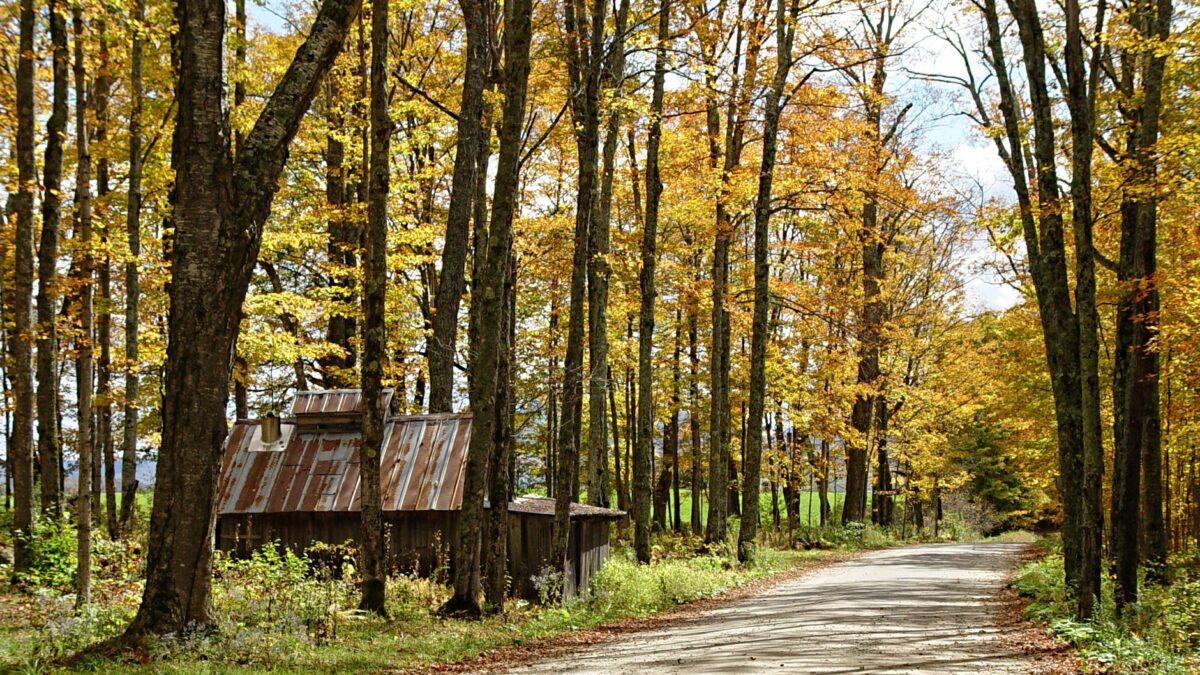
The best 7-day New England fall foliage road trip loops about 800 miles from Boston to Stowe, south on Vermont Route 100 to Woodstock, across the Kancamagus Highway in New Hampshire’s White Mountains, and back along the Maine coast. Go in the first half of October, check the state foliage reports weekly, and book lodging months ahead.
The loop works because color usually arrives first in the northern mountains and last on the coast, so you drive toward the peak rather than away from it.
What does the 7-day foliage route look like?
Start with the long drive north on Day 1, then keep the remaining driving days to 1.5 to 3 hours so there is time for back roads, short hikes and farm stands.
| Leg | Distance | Drive time (no stops) |
|---|---|---|
| Boston to Stowe, Vermont | about 210 miles | 3.5–4 hours |
| Stowe to Woodstock via Route 100 | about 90 miles | 2.5 hours |
| Woodstock to Lincoln, New Hampshire | about 70 miles | 1.5 hours |
| Kancamagus Highway, Lincoln to Conway | about 35 miles | 1 hour |
| North Conway to Portland, Maine | about 65 miles | 1.5 hours |
| Portland to Camden on US-1 | about 85 miles | 2 hours |
| Camden to Boston | about 190 miles | 3.5–4 hours |
On peak weekends, traffic on the Kancamagus Highway and in North Conway can be slow, so drive scenic roads on weekdays where you can.
What should you do each day?
Day 1: Boston to Stowe
Drive north on I-93 and I-89. In the afternoon, walk or bike part of the Stowe Recreation Path, which follows the river with views of Mount Mansfield. Base: Stowe.
Day 2: Smugglers’ Notch and the Stowe area
Drive Route 108 through Smugglers’ Notch, a narrow pass with tight curves between cliffs; it is not suitable for large RVs or trailers and closes in winter. Spend the afternoon at cider mills, farm stands and short trails around Stowe. Base: Stowe.
Day 3: Route 100 to Woodstock
Follow Route 100 south through Waterbury and the Mad River Valley towns of Waitsfield and Warren, stopping at Moss Glen Falls in Granville. Cut east to Woodstock, where Marsh-Billings-Rockefeller National Historical Park has carriage roads through forest planted more than a century ago. Base: Woodstock.
Day 4: Franconia Notch and the Kancamagus Highway
Drive to Franconia Notch State Park for the Flume Gorge boardwalk, then take the Kancamagus Highway (NH-112) east from Lincoln to Conway. Stop at the Pemigewasset Overlook, Sabbaday Falls, Lower Falls and Rocky Gorge. There is no gas or food along the road, so fill up in Lincoln. Base: North Conway.
Day 5: Crawford Notch and on to Portland
Drive US-302 through Crawford Notch in the morning. On a clear day, the Mount Washington Auto Road, a seasonal private toll road, climbs to the summit at 6,288 feet. Continue to Portland and see Portland Head Light at Fort Williams Park. Base: Portland.
Day 6: The Maine coast to Camden
Follow US-1 north past Wiscasset and Rockland to Camden. Drive or hike up Mount Battie in Camden Hills State Park for the view over the harbor and Penobscot Bay. Base: Camden.
Day 7: Back to Boston
Take I-95 south, with a stop in Kennebunkport or Portsmouth, New Hampshire, for lunch.
When does fall foliage peak along the route?
In a typical year, color peaks in northern Vermont in late September to early October, in central Vermont and the White Mountains in early to mid-October, and on the Maine coast in mid- to late October. Timing can shift by a week or more with drought, warm nights or early storms, and elevation matters as much as latitude.
| Area on the route | Typical peak | Notes |
|---|---|---|
| Stowe and northern Vermont | late September–early October | Higher slopes turn first |
| Route 100 and Woodstock | early–mid October | Valleys peak after the ridges |
| White Mountains and Kancamagus | late September–mid October | Wide range because of elevation |
| Maine coast (Portland to Camden) | mid–late October | Ocean keeps the coast warmer |
| Boston | late October–early November | Last stop to turn |
Use the official state reports for current conditions: Vermont’s tourism department posts fall foliage reports, New Hampshire’s tourism division runs a foliage tracker, and the Maine Forest Service publishes a weekly foliage report. For other regions, see our table of fall foliage peak times by state.
What should you book ahead, and how far?
- Lodging: book three to six months ahead for October, and earlier for Stowe, Woodstock and North Conway. Some inns set minimum stays on peak weekends.
- Columbus Day/Indigenous Peoples’ Day weekend: the second weekend of October is the busiest of the season. Avoid it or book very early.
- Rental car: book when you book rooms, since Boston’s October demand is high.
- Restaurants: reserve dinners in small towns, which may have only a few places open late.
Fees and passes on the route
Parking at many trailheads and picnic areas along the Kancamagus Highway requires a White Mountain National Forest recreation pass, sold as a day pass at self-serve stations; America the Beautiful passes are also accepted, as the forest’s passes page explains. State parks such as Franconia Notch and Camden Hills charge their own fees.
How much does a 7-day foliage road trip cost?
For two people sharing a room and a car, plan on roughly $2,400–$3,100 on a budget, $3,900–$5,000 mid-range and $6,500 or more for comfort, excluding flights. Peak-foliage room rates are among the highest of the year in northern New England. These are planning estimates as of November 2026.
| Item | Budget | Mid-range | Comfort |
|---|---|---|---|
| Lodging per night | $150–$220 (motels) | $250–$400 (inns, hotels) | $450–$700 (resorts, boutique inns) |
| Car per day | $55–$85 | $75–$110 | $100–$150 |
| Fuel for about 800 miles | $100–$140 | $100–$140 | $110–$160 |
| Food per person per day | $50–$70 | $85–$120 | $150 or more |
| Passes, parks and attractions | $30–$60 | $100–$200 | $300 or more |
| Rough total for two | $2,400–$3,100 | $3,900–$5,000 | $6,500 or more |
What if you have less or more time?
- 5 days: skip the Maine coast and return from North Conway to Boston (about 140 miles), or skip Woodstock and go straight from Stowe to Franconia Notch.
- 9–10 days: continue from Camden to Bar Harbor for two nights in Acadia National Park. In 2026, Cadillac Summit Road needed a $6 vehicle reservation from May 20 to October 25, and Acadia charges $35 per vehicle plus $100 per non-US resident age 16 and older, as listed on the Acadia fees page. Our Acadia National Park guide covers the Park Loop Road and the Island Explorer bus.
For places to stay longer, see our list of the best small towns in New England.
Bottom line
Drive north first, then follow the color south and east to the coast. Aim for the first half of October, book rooms months in advance, check the Vermont, New Hampshire and Maine foliage reports in the week before you go, and keep scenic drives like the Kancamagus for weekdays.
FAQ
When is peak fall foliage in New England?
Peak color usually runs from late September in northern Vermont and the high White Mountains to late October on the coast and in southern New England. The first half of October covers most of this route.
Do you need a pass to drive the Kancamagus Highway?
No pass is needed to drive through. You need a White Mountain National Forest recreation pass or an accepted federal pass to park at fee sites along the road.
Is one week enough for a foliage trip?
Yes. Seven days covers Vermont, New Hampshire and the Maine coast at a relaxed pace, with one longer drive at each end.
What happens if peak color is early or late?
Reverse the route or shift your time toward higher or lower elevations. Elevation changes timing as much as distance does, so a 30-minute drive can move you a week along the season.