Las Vegas and Nearby Parks in 5 Days: A Cool-Season Route
Five days from Las Vegas can cover Valley of Fire, Red Rock Canyon, Death Valley and Zion from November to March. Day plan, drive times and winter tips.
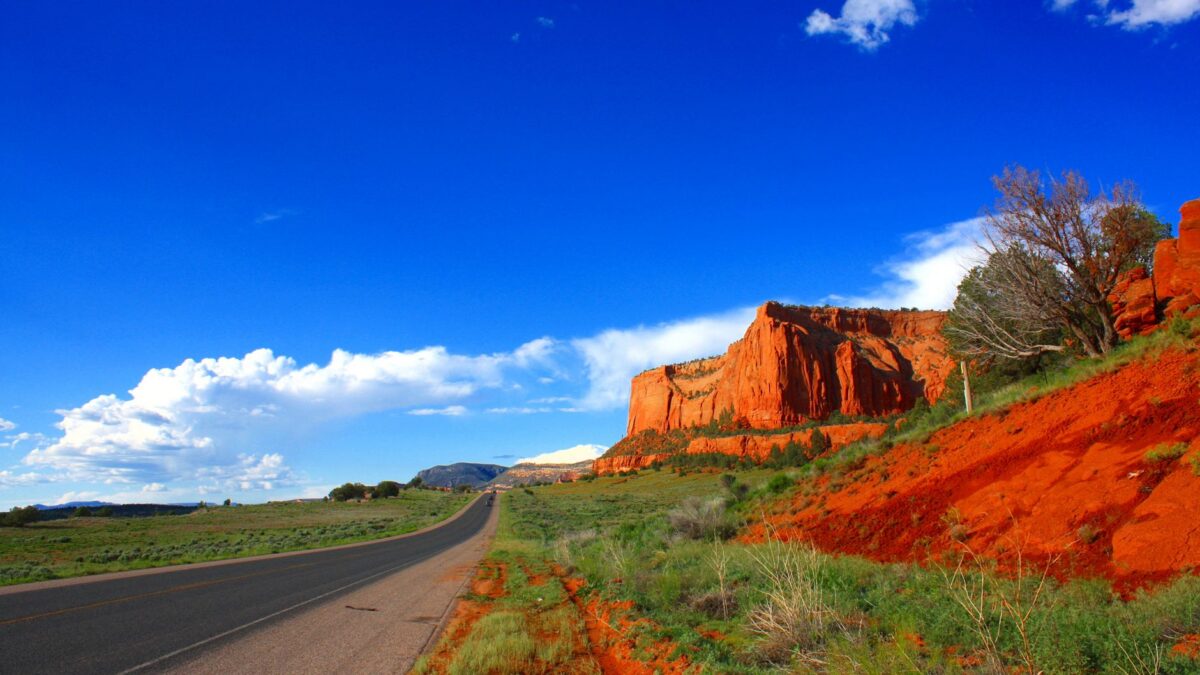
Five days is enough to see Valley of Fire, Red Rock Canyon, Death Valley and Zion from a Las Vegas base if you accept one long driving day and one night near Zion. The cool months, roughly November through March, suit this route because the Mojave Desert parks are comfortable while Zion is cold but open.
The plan below pairs the two short desert stops on day 1, gives Death Valley its own day, and spends the last three days on the drive to Zion and the canyon itself.
How should you split five days between four parks?
Pair the two parks closest to Las Vegas, give Death Valley a full day, and keep two nights near Zion. A workable order looks like this:
- Day 1: Valley of Fire State Park in the morning, Red Rock Canyon National Conservation Area in the late afternoon, dinner in Las Vegas.
- Day 2: Death Valley National Park as a round trip from Las Vegas.
- Day 3: Drive to Zion (about 2.5 to 3 hours), check in at Springdale, and take an easy walk in the canyon.
- Day 4: A full day in Zion National Park.
- Day 5: A short morning walk, then the drive back to Las Vegas.
Moving Death Valley to the end is also reasonable if your flight leaves late, since it is a day trip in either direction. If you can only manage four days, drop Red Rock Canyon, which is the shortest and easiest stop to add on a half day.
What do you see at Valley of Fire and Red Rock Canyon on day 1?
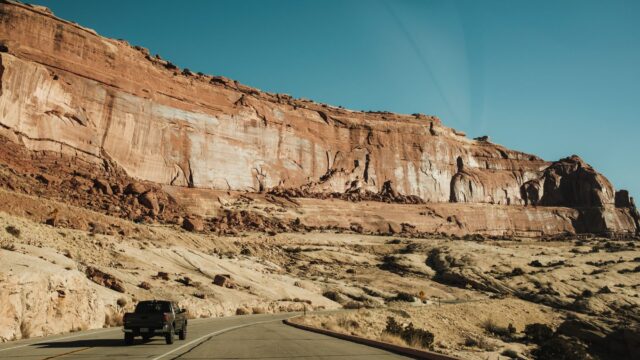
Valley of Fire is a Nevada state park about an hour northeast of Las Vegas, known for red and orange sandstone formations, short trails and ancient rock art. Start early, drive the main park road, and add short walks to the formations and petroglyph sites that appeal to you. Two to four hours is a reasonable visit.
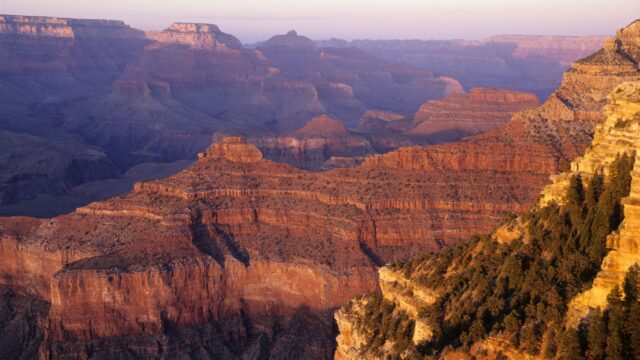
Red Rock Canyon is roughly 30 minutes west of the Strip and centers on a one-way scenic loop road with pullouts and trailheads. It has required timed-entry reservations during busy months in recent years, so check the current rules on the managing agency’s website before you drive out. Late afternoon light on the red cliffs makes this a good second stop. Visitors who like this scenery may also enjoy the Sedona red rock guide, which covers a similar landscape in Arizona.
Is Death Valley a realistic day trip from Las Vegas?
Yes, Death Valley can be done in a day from Las Vegas, but it is a long one: expect roughly two to two and a half hours each way to the Furnace Creek area. Leave early so that you reach the main stops in good light.
Stops that fit in one day include Zabriskie Point, Badwater Basin (the lowest point in North America at 282 feet, or 86 m, below sea level), Artists Drive, and the Mesquite Flat Sand Dunes near sunset. Fuel up before you enter the park, carry more water than you expect to drink, and download maps ahead of time because cell service is patchy. The National Park Service Death Valley page lists current road closures. For lodging options and sight details, see our Death Valley in winter guide.
How do you spend days 3 to 5 at Zion?
Use day 3 for the drive and an easy riverside walk, day 4 for the main canyon, and the morning of day 5 for one short trail before heading back. The route from Las Vegas runs north on Interstate 15 through the corner of Arizona and into southwest Utah.
On your full day, choose among these:
- The Riverside Walk, which is flat and leads toward the start of the Narrows.
- Emerald Pools trails, which can be wet or icy in cold weather.
- Scenic drives and viewpoints, if trails are closed or icy.
Angels Landing requires a permit, and walking the Narrows in cold water usually calls for rented dry gear and a check of the flash flood forecast. Whether visitors ride the shuttle or drive the main canyon road depends on the season, so confirm on the National Park Service Zion page. Our Zion National Park guide covers the shuttle, permits and the Narrows in more detail.
What changes in the cool months?
Cool-season conditions change what to pack and how long you have each day. Las Vegas and the desert parks are usually mild to cool by day and cold at night, while Zion sits at a higher elevation and can have frost, ice and snow on shaded trails.
- Daylight is short in December and January, so plan the last stop of each day around sunset.
- Pack layers, a warm jacket for evenings, and shoes with grip for icy trail sections.
- Watch road conditions on the drive to Zion, where winter storms can slow traffic.
- Death Valley is pleasant in winter, but carry water year-round.
What should you book or buy ahead?
Book lodging in Springdale early for holiday weekends, check Red Rock Canyon reservations, and decide on a park pass before you arrive. Valley of Fire is a state park with its own entrance fee, while Death Valley and Zion are national parks that charge entrance fees. An annual pass can cost less than paying at each gate. The national park pass calculator shows whether it pays off for your itinerary.
If you want more than a Las Vegas base, the 7-day Las Vegas loop to the Grand Canyon, Zion and Bryce adds Arizona and Utah parks.
Quick answers
What is the best order for these four parks?
Start with Valley of Fire and Red Rock Canyon, then Death Valley, then Zion. This keeps the long, cold-weather drive and the park with the most weather risk for the end of the trip.
Can you do all four in a long weekend?
Not comfortably. Three days would mean cutting Zion or Death Valley, and each of those needs most of a day.
Do you need a rental car?
Yes. None of these parks is reached by regular public transit from Las Vegas, and the distances between them require your own vehicle.