Zion National Park Guide: Shuttle, Permits, Narrows and Best Months
Zion is easy to reach but has more rules than most parks: a shuttle-only canyon road, a permit lottery for Angels Landing and river-flow closures in The Narrows. Here is how each one works, plus where to stay and when to go.
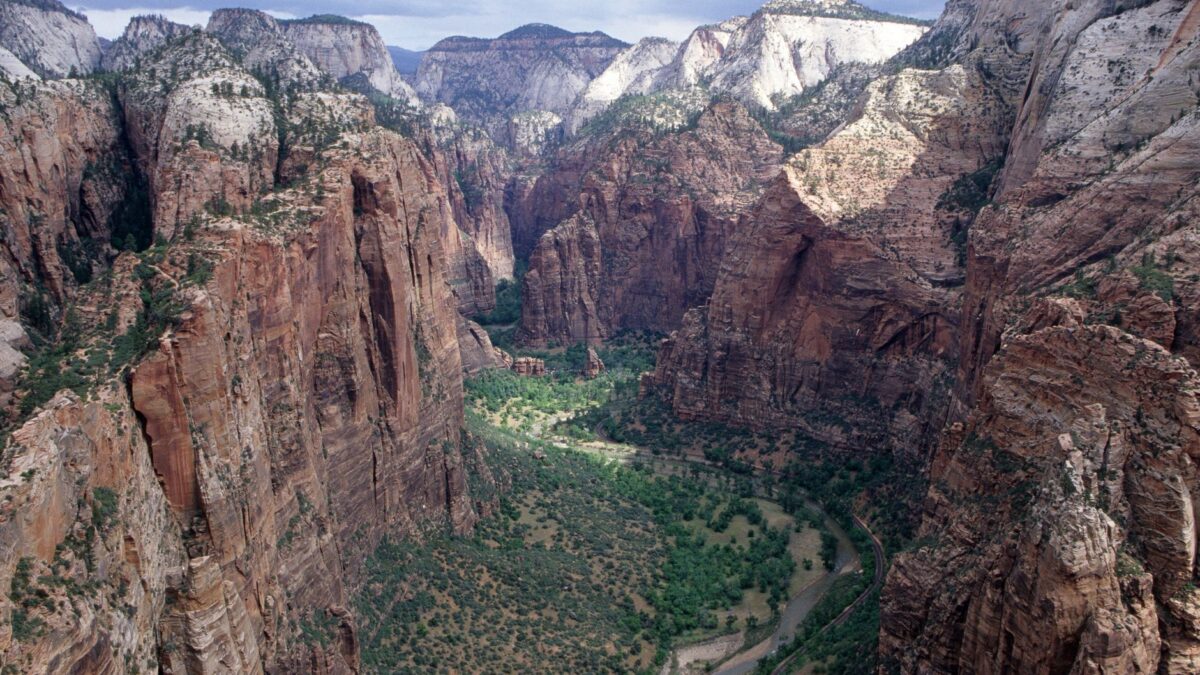
Zion National Park in southwest Utah needs 2 to 3 days, a $35 vehicle pass (as of November 2026) and, for most of the year, the free shuttle, because Zion Canyon Scenic Drive is closed to private cars during shuttle season. Angels Landing requires a lottery permit, The Narrows needs no permit for day hikes from the bottom, and the best months are April–May and September–October.
Zion was the second most visited national park in 2025 with 4,984,525 recreation visits, according to the National Park Service. Most of that traffic funnels into one narrow canyon about 4,000 feet above sea level, which is why the shuttle, permits and an early start matter more here than in larger parks.
When does the Zion shuttle run?
The Zion Canyon shuttle runs from early March through late November, plus the winter holiday week. While it operates, private vehicles cannot drive Zion Canyon Scenic Drive past Canyon Junction. A second free shuttle line links Springdale to the park entrance. The 2026 schedule published by the park:
| Dates (2026) | First shuttle from visitor center | Last shuttle out of the canyon |
|---|---|---|
| Jan 4 – Mar 6 | No service; drive the Scenic Drive yourself | |
| Mar 7 – May 16 | 7 a.m. | 7:15 p.m. |
| May 17 – Sept 12 | 7 a.m. | 8:15 p.m. |
| Sept 13 – Oct 24 | 7 a.m. | 7:15 p.m. |
| Oct 25 – Nov 28 | 7 a.m. | 6:15 p.m. |
| Nov 29 – Dec 25 | No service; drive the Scenic Drive yourself | |
| Dec 26 – Jan 2 | 8 a.m. | 5:45 p.m. |
Shuttles run about every 5 to 10 minutes in the canyon. In spring and summer the visitor center parking lot usually fills by mid-morning, so either arrive early or park in Springdale and ride the town shuttle. The park posts changes on its 2026 shuttle schedule page. The Zion–Mount Carmel Highway, Kolob Terrace Road and Kolob Canyons Road stay open to private cars all year, weather permitting.
How do you get an Angels Landing permit?
Every hiker on Angels Landing needs a permit from Recreation.gov, issued through a seasonal lottery or a day-before lottery. The permit covers only the chain section beyond Scout Lookout. The West Rim Trail from the Grotto to Scout Lookout, about 2.25 miles each way, needs no permit.
The full hike is 5.4 miles round trip with 1,488 feet of elevation gain and takes about 4 hours. As of November 2026, the park lists these rules:
- Application fee: $6, non-refundable, covering one application of up to 6 people.
- Permit fee: $3 per person if you win; the park entrance fee is separate.
- Day-before lottery: apply from 12:01 a.m. to 3 p.m. Mountain Time the day before your hike; results arrive after 4 p.m.
- Seasonal lottery: one application window per season, as in the table below.
| Hike dates | Applications open | Applications close | Results |
|---|---|---|---|
| Mar 1 – May 31 | Jan 1 | Jan 20 | Jan 25 |
| Jun 1 – Aug 31 | Apr 1 | Apr 20 | Apr 25 |
| Sept 1 – Nov 30 | Jul 1 | Jul 20 | Jul 25 |
| Dec 1 – Feb 28 | Oct 1 | Oct 20 | Oct 25 |
The park shifted the spring 2026 window to mid-February, so confirm current dates on the official Angels Landing permits page. The final half mile is a narrow fin with chains and long drop-offs; skip it in rain, ice, high wind or if you have a fear of heights. A permit does not give priority on the shuttle.
Can you hike The Narrows, and when?
Yes. The most popular way is the bottom-up day hike from the Temple of Sinawava at the end of the Riverside Walk, which needs no permit. You wade upstream in the Virgin River as far as you like, up to Big Spring, about 10 miles round trip. The 16-mile top-down route from Chamberlain’s Ranch requires a wilderness permit and a shuttle to the trailhead.
The park closes The Narrows to all travel when the river flow is above 150 cubic feet per second, which often happens during spring snowmelt. It also closes during a National Weather Service flash flood warning and for at least two hours after the warning ends. Summer and early fall offer the warmest water, but July to September is also monsoon season, when flash floods are most frequent. Check the flow and forecast at the visitor center on the morning of your hike.
In late August 2026 a large rockfall temporarily cut off access to the Temple of Sinawava, so check the park’s current alerts before you count on the Riverside Walk or The Narrows.
What else is worth seeing in Zion?
Zion has several areas beyond the main canyon, and each suits a different kind of day:
- Pa’rus Trail: a paved, mostly flat path along the river from the visitor center, the only Zion trail open to pets and bicycles.
- Riverside Walk: a paved, roughly 2-mile round trip at the end of the canyon, leading to the start of The Narrows.
- Emerald Pools: short trails from Zion Lodge to seasonal pools and waterfalls.
- Canyon Overlook Trail: a short hike east of the Zion–Mount Carmel Tunnel with a high view down Pine Creek and the main canyon. Parking is limited, so go early.
- Kolob Canyons: a separate section off Interstate 15 near Cedar City, about 45 minutes by car from Springdale, with a 5-mile scenic drive, red finger canyons and far fewer people.
- Kolob Terrace Road: a paved road from the town of Virgin into high country, used for longer hikes and quieter views.
Large RVs and trailers need a tunnel permit, for a fee, to pass through the Zion–Mount Carmel Tunnel, and the largest vehicles are not allowed at all. If you are pairing Zion with Utah’s other parks, our Zion vs Bryce Canyon comparison explains how the two differ.
Where should you stay near Zion?
Springdale is the most convenient base. The town sits at the South Entrance, its free shuttle stops along the main street, and you can walk or ride into the park without fighting for parking. Expect the highest prices on spring and fall weekends.
- Inside the park: Zion Lodge is the only in-park lodging, and Watchman and South campgrounds take reservations on Recreation.gov.
- Springdale: walkable, with restaurants and outfitters for Narrows gear rentals.
- Hurricane and La Verkin: about 25 to 30 minutes west, usually cheaper.
- St. George: about an hour away, with the most hotel choice and a regional airport.
- East Zion and Kanab: useful if you continue to Bryce Canyon or the Grand Canyon North Rim, as in our 7-day Utah Mighty 5 road trip.
How much does it cost to visit Zion?
As of November 2026, Zion charges $35 per private vehicle, $30 per motorcycle and $20 per person on foot or bicycle, each valid for seven days. A Zion annual pass costs $70. The $80 America the Beautiful pass covers Zion and every other national park for a year; see our America the Beautiful pass guide to check whether it pays off for your trip.
Since January 1, 2026, visitors who are not U.S. residents and are 16 or older pay an additional $100 per person at Zion, unless they hold the $250 nonresident annual pass. Angels Landing permits, campsites and tunnel permits cost extra.
When is the best time to visit Zion?
April, May, late September and October are the best months for most visitors. Days are warm but not extreme, cottonwoods along the river turn gold in late October, and The Narrows is often open by late spring once snowmelt eases.
Summer is hot. Highs in Zion Canyon commonly reach the upper 90s to 100°F or more, and afternoon thunderstorms bring flash flood risk from July to September. Winter is quiet and cool, with occasional snow on the cliffs; from early January to early March and from late November to Christmas you can drive the Scenic Drive in your own car.
Bottom line
Plan 2 to 3 days, stay in Springdale if you can, and build your days around the shuttle schedule. Enter the Angels Landing lottery early or plan on the many permit-free hikes. Check river flow and the forecast before The Narrows, and aim for spring or fall to avoid both summer heat and the biggest crowds.
FAQ
Do you need a reservation to enter Zion?
No. As of November 2026, Zion has no timed-entry reservation for the park itself. You need reservations only for Angels Landing, wilderness permits, campsites and the tunnel permit for large vehicles.
Can you drive through Zion National Park?
Yes. The Zion–Mount Carmel Highway (State Route 9) crosses the park year-round between Springdale and the East Entrance. Only Zion Canyon Scenic Drive is closed to private cars during shuttle season.
Is Zion or Bryce Canyon better for one day?
Bryce Canyon is easier to see in one day because its main viewpoints sit along one rim road. Zion rewards at least two days because its best hikes start from shuttle stops and take several hours.
What should you wear for The Narrows?
Wear closed-toe shoes with good grip and bring a walking stick, because you walk on slippery rocks in moving water. Outfitters in Springdale rent canyoneering shoes, neoprene socks and dry suits for colder months.