Jackson Hole Guide: Town vs Teton Village, Seasons and Park Access
Where to base in the valley below the Tetons, how to reach Grand Teton and Yellowstone in each season, and what a summer or ski trip costs.
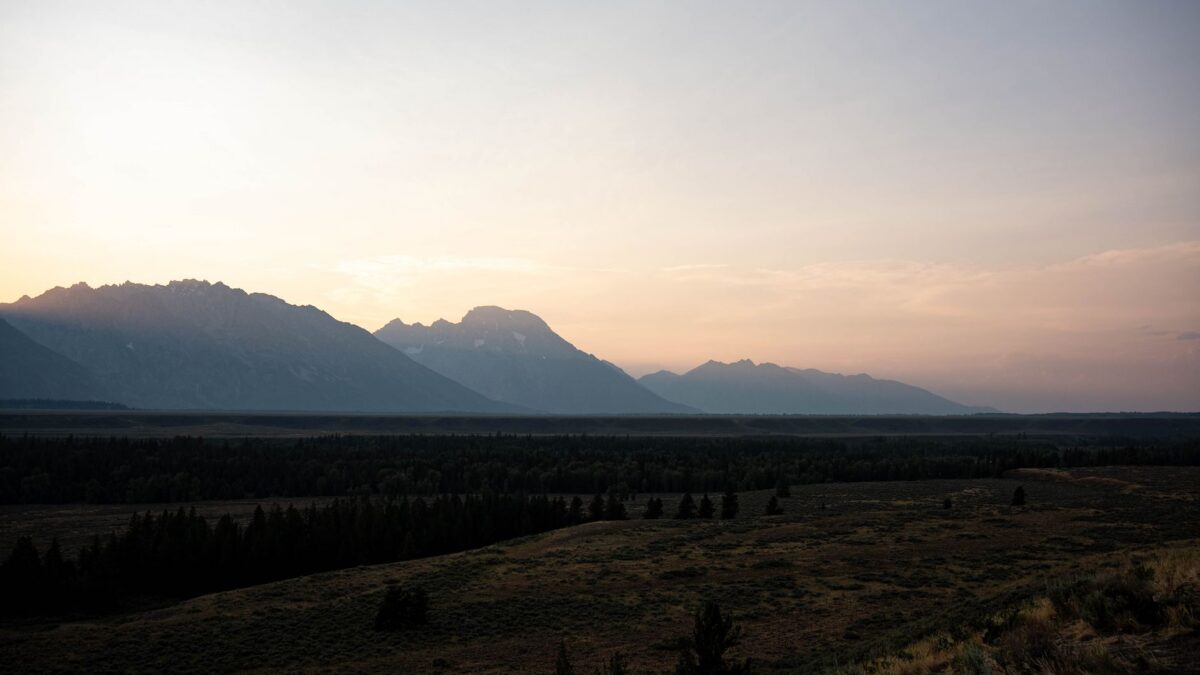
Jackson Hole is the valley below Wyoming’s Teton Range. Stay in the town of Jackson for restaurants, nightlife and the quickest drive into Grand Teton National Park, or in Teton Village, about 12 miles northwest, for ski-in access to Jackson Hole Mountain Resort. Summer (late June to early September) is best for Grand Teton and Yellowstone, whose South Entrance is about 55–60 miles north of town; winter (late November to early April) is for skiing. As of November 2026, each park charges $35 per private vehicle for seven days.
This guide compares the bases, explains park access by season, and covers costs and safety.
Should you stay in Jackson or Teton Village?
Jackson suits most visitors, especially in summer; Teton Village suits skiers who want to walk to the lifts. The local START bus connects the two.
| Base | Location | Best for | Trade-offs | Price level |
|---|---|---|---|---|
| Jackson (town) | South end of the valley | Dining, shopping, park day trips, all-season stays | Busy Town Square in summer; 20–30 minutes to the ski resort | $$$ |
| Teton Village | About 12 miles northwest, at the resort base | Ski-in/ski-out, Aerial Tram, Moose-Wilson Road access | Fewer restaurants; quiet off-season | $$$$ |
| Wilson | Between town and Teton Pass | Small-town feel, quick access to Teton Village | Limited lodging | $$$ |
| Lodges inside Grand Teton | Jackson Lake, Colter Bay, Jenny Lake | Summer park immersion | Seasonal only; book far ahead | $$–$$$$ |
| Driggs and Victor, Idaho | Over Teton Pass, about 45–60 minutes | Lower rates, Grand Targhee skiing | Mountain pass can close in storms | $$ |
What is the town of Jackson like?
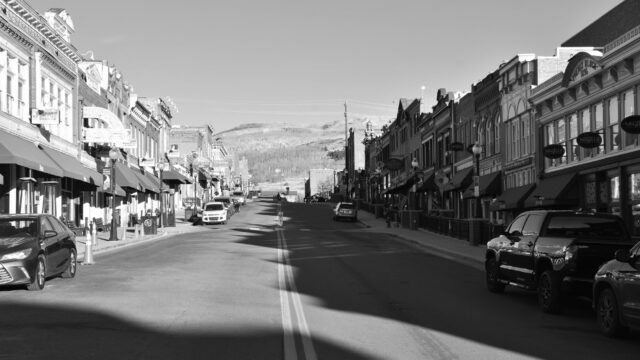
Jackson is a Western-style town at about 6,200 feet, built around a Town Square with arches made of shed elk antlers. It has more restaurants, galleries and bars than any other town near Grand Teton. Snow King Mountain, a small ski hill with a summer gondola, rises right above the streets.
The National Elk Refuge borders the town to the north. In winter, thousands of elk gather there, and horse-drawn sleigh rides take visitors among them. The National Museum of Wildlife Art overlooks the refuge.
How do you get to Grand Teton and Yellowstone from Jackson?
Grand Teton starts just north of town, so you can be at a trailhead in 20–30 minutes. Yellowstone is a long day trip or, better, a separate overnight stay. Distances below are approximate.
| Destination | From Jackson | Drive time | Season for cars |
|---|---|---|---|
| Grand Teton, Moose entrance | About 13 miles | About 20 minutes | Year-round via the highway |
| Jenny Lake | About 22 miles | About 35 minutes | Teton Park Road closed to cars Nov 1–Apr 30 |
| Oxbow Bend and Jackson Lake | About 35 miles | About 45 minutes | Year-round via US 89/191 |
| Yellowstone South Entrance | About 57 miles | About 1.25 hours | Roughly mid-May to early November |
| Old Faithful | About 100 miles | About 2.5 hours | Roughly mid-May to early November |
According to the Grand Teton road information page, the Teton Park Road between Taggart Lake Trailhead and Signal Mountain Lodge closes to cars from November 1 to April 30 and is groomed for skiing in midwinter. The Moose-Wilson Road closes from November 1 until about mid-May. US 89/191 is plowed in winter from Jackson to Flagg Ranch, just south of Yellowstone.
Yellowstone’s South Entrance road is open to regular vehicles only from spring to fall; the park projects May 14 to October 31 for 2027 on its Yellowstone road season page. In winter, the interior is reached only by guided snowcoach or snowmobile, from mid-December to mid-March.
Entrance fees
Grand Teton and Yellowstone charge separately. As of November 2026, the Grand Teton fees page lists $35 per private vehicle, $30 per motorcycle and $20 per person on foot or bike, each valid for seven days, and Yellowstone’s rates match. The $80 America the Beautiful pass covers both. Since 2026, non-US residents age 16 and older also pay a $100 per-person fee at both parks unless they hold an annual pass; see our guide to what international visitors pay at US national parks.
Is Jackson Hole better in summer or winter?
Summer is better for most first-time visitors, because both national parks are fully open and wildlife is easy to see. Winter is better for skiers and for a quieter look at the valley.
| Season | Highlights | Crowds and prices |
|---|---|---|
| Summer (late June–early Sept) | Hiking, Snake River floats, wildlife, Yellowstone day trips | Highest prices; book months ahead |
| Fall (Sept–mid-Oct) | Elk bugling, golden aspens in late September, fewer people | Moderate; many park services close by mid-October |
| Winter (late Nov–early April) | Skiing, Aerial Tram, elk refuge sleigh rides, snowcoach trips | High over holidays; quieter in January |
| Off-season (April–May, late Oct–Nov) | Quiet, lowest rates | Some lodges, restaurants and roads closed |
Skiing at Jackson Hole Mountain Resort
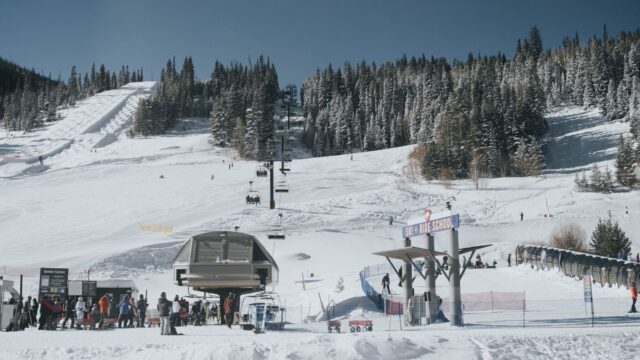
Jackson Hole Mountain Resort is famous for steep terrain and its Aerial Tram to the top of Rendezvous Mountain. It planned to open for the 2026–27 season on November 27, 2026. The resort is on the Ikon Pass, with seven days on the full pass, and requires reservations from Ikon and Mountain Collective holders. Snow King in town and Grand Targhee across Teton Pass round out the options. Compare it with other destinations in our best ski towns in the US.
How much does a Jackson Hole trip cost?
Jackson Hole is one of the most expensive mountain destinations in the US, especially for lodging in July, August and over ski holidays. Shoulder seasons and stays in Idaho over Teton Pass cost noticeably less.
| Item | Cost as of November 2026 |
|---|---|
| Grand Teton entrance | $35 per vehicle, 7 days |
| Yellowstone entrance | $35 per vehicle, 7 days |
| America the Beautiful pass | $80 per year, covers both parks |
| Nonresident park fee | $100 per person age 16+, unless holding an annual pass |
| Lodging | Highest in summer and holidays; lowest in spring and late fall |
Jackson Hole Airport (JAC) sits inside Grand Teton National Park, about 10 minutes from town, which makes arrival easy but fares high. Idaho Falls and Salt Lake City are cheaper alternatives with a long drive.
How do you stay safe around wildlife and winter roads?
- Stay at least 100 yards from bears and wolves and 25 yards from all other wildlife, including moose and bison, as required in Grand Teton and Yellowstone.
- Carry bear spray on trails and know how to use it.
- Moose wander through town and along rivers; give them plenty of space, especially cows with calves.
- In winter, expect ice, snowpack and whiteouts. Use winter or all-season tires, carry chains for mountain passes and check road conditions by dialing 511.
Bottom line
For a summer park trip, base in Jackson and split your days between Grand Teton and at least one overnight in Yellowstone. For a ski trip, stay in Teton Village and bring an Ikon Pass or buy tickets ahead. Book lodging months in advance for summer and holidays, budget for some of the highest rates in the Rockies, and give wildlife room. Our 5-day Yellowstone and Grand Teton itinerary lays out a full plan.
FAQ
Is Jackson Hole the same as Jackson?
Not exactly. Jackson Hole is the whole valley, and Jackson is the main town in it. Many people use the names interchangeably, and the ski area is called Jackson Hole Mountain Resort.
How many days do you need in Jackson Hole?
Three days covers Grand Teton’s highlights and the town. Five to seven days lets you add Yellowstone with at least one night inside or near that park.
Can you visit Yellowstone in winter from Jackson?
Yes, but only on a guided snowcoach or snowmobile tour, from about mid-December to mid-March. Regular cars cannot drive through the South Entrance in winter.
Is Jackson Hole Mountain Resort on Epic or Ikon?
Ikon. The full Ikon Pass includes seven days for 2026–27, with reservations required, and the Mountain Collective pass also includes access with reservations.