Dark Sky Places for Stargazing in the US: 13 Certified Picks
Certified dark sky parks across the country, the best months for each, upcoming new moon dates and what to bring for a night under the stars.
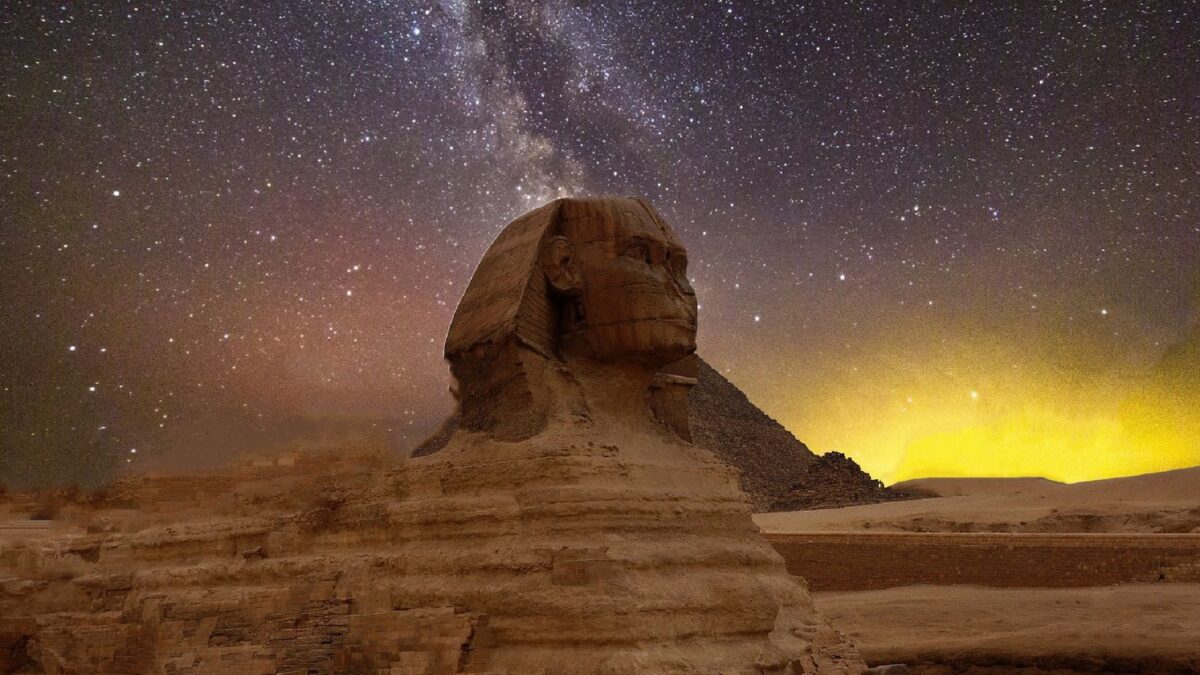
The best dark sky places for stargazing in the US include Big Bend National Park in Texas, Death Valley in California and Nevada, Great Basin in Nevada, Natural Bridges National Monument in Utah (the world’s first International Dark Sky Park, certified in 2007), Cherry Springs State Park in Pennsylvania and Katahdin Woods and Waters in Maine. Go within about five days of a new moon; the next new moons are November 9 and December 8, 2026, per the U.S. Naval Observatory.
What makes a place an official dark sky park?
DarkSky International, known until 2023 as the International Dark-Sky Association, certifies parks, reserves, sanctuaries and communities that protect natural night skies through lighting rules and public programs. More than 200 places worldwide hold the certification, many of them in the United States. A certified site is not automatically the darkest place in its region, but it commits to shielded lighting and night sky education, and many offer ranger-led astronomy programs.
The National Park Service runs a Night Skies program that measures sky brightness in parks; its night skies pages list programs and maps.
Which US dark sky places are best for stargazing?
The table lists well-known certified sites across the country, with the year of certification and the months that usually work best. Desert parks are pleasant in the cool season; mountain and northern sites are best in summer and early fall.
| Place | State | DarkSky status (year) | Best months | Why go |
|---|---|---|---|---|
| Natural Bridges National Monument | Utah | Park (2007, first in the world) | April–October | Remote campground; Milky Way over stone bridges |
| Cherry Springs State Park | Pennsylvania | Park (2008) | May–October | One of the darkest sites in the Northeast; dedicated astronomy field |
| Headlands | Michigan | Park (2011) | Year-round | Lake views north; occasional aurora |
| Big Bend National Park | Texas | Park (2012) | October–April | Very remote West Texas skies; comfortable cool-season nights |
| Death Valley National Park | California, Nevada | Park (2013) | October–April | Huge park, wide horizons; avoid summer heat |
| Chaco Culture National Historical Park | New Mexico | Park (2013) | April–October | Observatory programs among ancestral Pueblo sites |
| Great Basin National Park | Nevada | Park (2016) | June–September | High elevation and dry air; cold nights |
| Central Idaho Dark Sky Reserve | Idaho | Reserve (2017, first in the US) | July–September | Sawtooth Valley and Stanley area |
| Joshua Tree National Park | California | Park (2017) | October–April | Closest dark sky park to Los Angeles |
| Grand Canyon National Park | Arizona | Park (2019) | May–October (South Rim) | Wide-open rim viewpoints over the canyon |
| Bryce Canyon National Park | Utah | Park (2019) | May–September | High plateau, regular astronomy programs |
| Katahdin Woods and Waters National Monument | Maine | Sanctuary (2020) | August–October | Among the darkest skies in the eastern US; few visitors |
| Voyageurs National Park | Minnesota | Park (2020) | August–October | Lakes, boat-in campsites, aurora chances |
Visitors who are not U.S. residents should know that since January 1, 2026, those aged 16 and over pay an extra $100 per person at 11 busy national parks, including Grand Canyon and Bryce Canyon, unless they hold the $250 nonresident annual pass. Many other national parks hold the dark sky certification too, including Canyonlands, Capitol Reef and Arches in Utah. For quieter options, our list of least crowded national parks overlaps with several dark sky sites, and our Joshua Tree guide covers stargazing near Southern California.
When should you go for the darkest skies?
Plan around the moon first. A bright moon washes out faint stars and the Milky Way for days on either side of full. The darkest nights fall from a few days before to a few days after the new moon. The dates below are from the U.S. Naval Observatory, converted to U.S. Eastern Time; check the USNO moon phase tables for your time zone.
| New moon (Eastern Time) | Good stargazing window |
|---|---|
| November 9, 2026 | About November 4–14 |
| December 8, 2026 | About December 3–13 |
| January 7, 2027 | About January 2–12 |
| February 6, 2027 | About February 1–11 |
| March 8, 2027 | About March 3–13 |
| April 6, 2027 | About April 1–11 |
| May 6, 2027 | About May 1–11 |
| June 4, 2027 | About May 30–June 9 |
| July 3, 2027 | About June 28–July 8 |
| August 2, 2027 | About July 28–August 7 |
Season matters too. In the Northern Hemisphere, the bright core of the Milky Way is visible from roughly spring to early fall, best in the June–August evenings. Winter skies have bright constellations such as Orion and long nights, but cold limits time outside. Major meteor showers include the Perseids in mid-August and the Geminids in mid-December.
What should you bring for a stargazing night?
Use this checklist before you leave for a dark site.
| Item | Why |
|---|---|
| Red flashlight or headlamp with red mode | Protects night vision for you and others |
| Warm layers, hat and gloves | Desert and mountain nights often drop 30°F or more from the afternoon high |
| Camp chair or sleeping pad | Looking up for an hour is tiring standing |
| Binoculars (7×50 or 10×50) | Show star clusters and the Moon well without a telescope |
| Star chart app in night mode, or a printed chart | Many dark sites have no cell signal |
| Water, snacks and a full tank of gas | Services are far apart and close early |
| Offline maps and a paper park map | GPS and phone apps may fail without coverage |
How do you get the best view once you arrive?
- Arrive before sunset so you can find a safe, legal spot in daylight.
- Wait for full darkness. Astronomical twilight ends well over an hour after sunset in most of the US, and later in summer at northern latitudes.
- Give your eyes 20–30 minutes to adapt, and avoid looking at white screens.
- Face away from towns. Even distant cities create light domes on the horizon.
- Check the National Weather Service sky cover forecast; high, thin clouds can dim the Milky Way even when the sky looks clear.
Ranger-led astronomy programs are a good first step. Bryce Canyon, Grand Canyon and other parks often host star parties and festivals, typically in summer; check each park’s event calendar for dates.
Is stargazing in parks safe?
Yes, with a few precautions. Drive slowly at night, because deer, elk and other wildlife cross park roads after dark. Stay on trails and overlooks you have seen in daylight, especially near canyon rims. In desert parks, carry water even at night, and watch for rattlesnakes on warm evenings. Follow park rules on where you can park and camp overnight; pulling off at random spots may be prohibited.
Some parks with excellent skies also offer aurora chances in the north. If that interests you, see our guide to the best places to see the northern lights in the US.
Bottom line
Pick a certified dark sky place that suits the season, desert parks such as Big Bend, Death Valley and Joshua Tree from October to April, and mountain or northern sites such as Great Basin, Bryce Canyon, Cherry Springs and Katahdin Woods and Waters in summer and early fall. Time the trip within a few days of a new moon, bring warm layers and a red light, and join a ranger program on your first night.
FAQ
What is the darkest place in the US for stargazing?
There is no single official darkest place, but remote certified sites such as Big Bend, Great Basin, Death Valley, Natural Bridges and Katahdin Woods and Waters are among the darkest that are easy to reach. Darkness also depends on the moon, clouds and how far you are from towns.
When is the best time of year to see the Milky Way?
The bright core is best seen from late spring to early fall, especially June to August in the evening. Plan for a moonless night near the new moon.
Do you need a telescope to enjoy a dark sky park?
No. The naked eye shows thousands of stars and the Milky Way at a dark site, and binoculars add star clusters and detail on the Moon. Many parks bring telescopes to their astronomy programs.
Are dark sky parks open at night?
Most national parks are open 24 hours, but some areas, roads or state parks close at night or require camping permits. Check the park’s hours and rules before planning a late visit.