Best Places to See the Northern Lights in the US and When to Go
Where the aurora shows up in the US, how strong a storm each region needs, and how to use NOAA forecasts to time your night out.
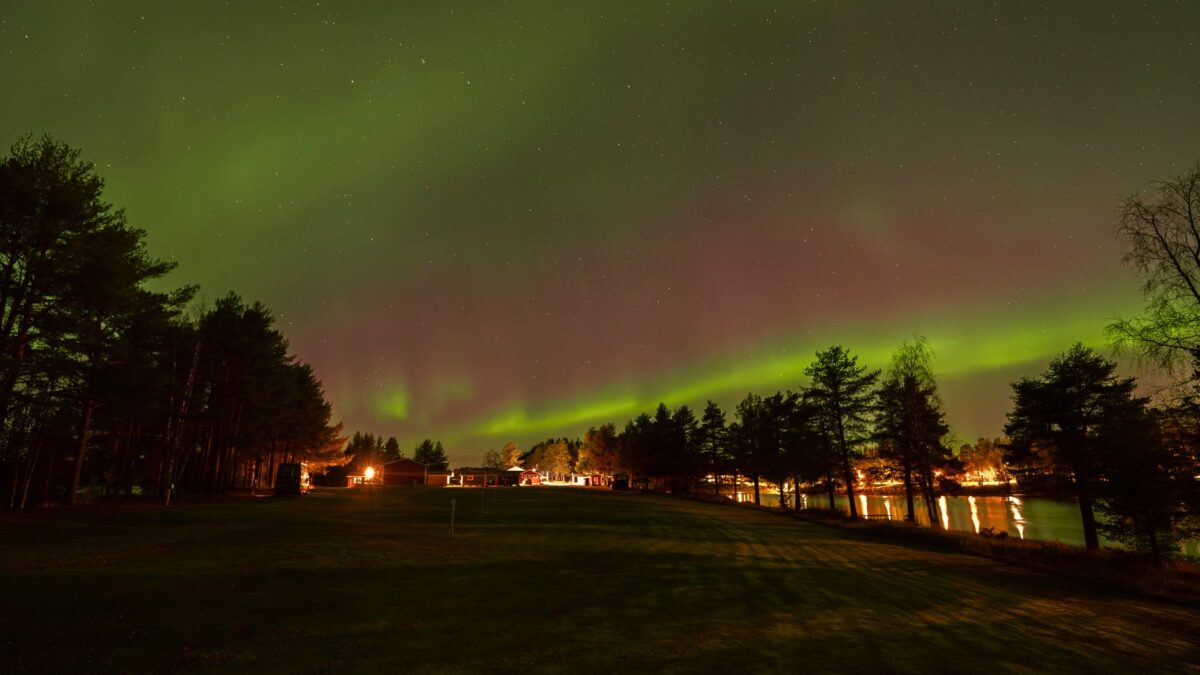
The best place to see the northern lights in the US is Fairbanks, Alaska, where the aurora season runs from August 21 to April 21 and the lights often appear on clear, dark nights. In the Lower 48, your best odds are in northern Minnesota, Michigan’s Upper Peninsula, northern Maine, Montana’s Glacier area and north-central Washington, but only during geomagnetic storms. NOAA says the best viewing is usually within an hour or two of midnight, and around the spring and fall equinoxes.
Where in the US can you see the aurora, and how often?
Alaska sits under the auroral oval, so the lights are frequent there. Elsewhere you need a strong storm. The table summarizes the main options. The storm levels come from NOAA’s Space Weather Scales, which describe how far south aurora has been seen at each level.
| Place | State | How often | Activity usually needed | Dark-sky notes |
|---|---|---|---|---|
| Fairbanks and the Interior | Alaska | Frequent from late August to April | Quiet to moderate nights can be enough | Drive a few miles out of town; Chena Hot Springs Road and nearby ridges are popular |
| Brooks Range (Coldfoot, Wiseman) | Alaska | Frequent | Quiet nights often enough | Very remote; most visitors join tours |
| Voyageurs NP and Boundary Waters | Minnesota | During geomagnetic storms | Minor to moderate storms (G1–G2) | Voyageurs is a certified Dark Sky Park; the Boundary Waters is a Dark Sky Sanctuary |
| Lake Superior shore, Upper Peninsula | Michigan | During geomagnetic storms | G1 storms; NOAA names northern Michigan | North-facing lake views from Marquette, Keweenaw and Whitefish Point |
| Headlands, Mackinaw City | Michigan | During storms | G1–G2 | International Dark Sky Park with an open view north over the straits |
| Northern Maine | Maine | During geomagnetic storms | G1 storms; NOAA names Maine | Katahdin Woods and Waters is a Dark Sky Sanctuary; Aroostook County is very dark |
| Glacier National Park | Montana | During storms | G1–G2 | Part of an International Dark Sky Park; many roads close in winter |
| Okanogan and Methow valleys | Washington | During storms | G2 and above | Drier east-side skies than the cloudy coast |
| North Dakota and northern Idaho | ND, ID | During storms | G2 and above | Wide-open horizons; Central Idaho Dark Sky Reserve farther south |
NOAA’s scale describes a G1 (Kp 5) storm as bringing aurora to northern Michigan and Maine, G2 (Kp 6) as low as New York and Idaho, G3 (Kp 7) to Illinois and Oregon, and G5 (Kp 9) as far as Florida and southern Texas. These are typical observing limits, not promises.
Why is Fairbanks the most reliable choice?
Fairbanks sits almost directly under the band where auroras are most frequent. Explore Fairbanks, the area’s tourism board, says the aurora is visible on an average of four out of five nights when skies are clear and dark, and that visitors who stay at least three nights and are out late have a better than 90 percent chance. The season runs from August 21 to April 21; outside it, the nights are too bright.
Fall (late August to early October) offers milder temperatures and lakes that reflect the lights before freeze-up. Winter brings long nights but extreme cold, often far below zero from December to February. For a longer Alaska trip in summer, see our 10-day Alaska itinerary, but expect no aurora in the midnight sun.
When is the best time to see the northern lights?
NOAA’s tips for viewing the aurora point to three timing factors.
- Time of night: usually within an hour or two of midnight, roughly 10 p.m. to 2 a.m. local time.
- Season: larger geomagnetic storms tend to occur around the spring and fall equinoxes, in March and September–October.
- Moon: a full moon makes faint aurora harder to see, so a dark-moon week improves the view.
The solar cycle matters too. In October 2024, NASA and NOAA said the Sun had reached the solar maximum period of Solar Cycle 25. Activity typically eases over the following years, but strong storms still happen in the declining phase. The G5 storm of May 10–11, 2024, the first of that level since 2003, showed aurora across much of the country.
How do you read an aurora forecast?
Space weather forecasts are reliable only a short time ahead, so check them on the day and keep plans flexible.
- Look at NOAA’s 3-day forecast for expected Kp values and storm watches a day or two out.
- On the night, open the NOAA 30-minute aurora forecast, which shows the oval’s position and intensity for the next half hour.
- In Alaska, compare with the University of Alaska Fairbanks Geophysical Institute aurora forecast.
- Check the National Weather Service sky cover forecast. Clouds, not space weather, ruin most aurora nights.
- Head out when Kp is forecast to reach the level for your area, and wait at least an hour; displays come in waves.
How do you find a good viewing spot?
NOAA’s advice is to get away from city lights and find a clear view toward the north. Lakeshores and hilltops work well because nothing blocks the low northern sky, where Lower 48 auroras usually appear. Certified dark sky places are a good start; our list of dark sky places for stargazing includes several in the northern states.
- Pick a legal pull-off, campground or overlook. Never stop on a highway shoulder in the dark.
- Check that roads are open; many park roads close in winter. Our guide to national parks in winter covers seasonal closures.
- Arrive early so your eyes can adjust for 20–30 minutes, and use a red light.
How do you photograph the northern lights?
Cameras often record color the eye cannot see in faint aurora. Explore Fairbanks suggests a camera on manual settings, a solid tripod and a remote shutter, with a high ISO, wide aperture, wide focal length and exposures of about 5 to 10 seconds. Most recent phones can also capture aurora in night mode on a steady surface.
- Include a foreground such as trees, a cabin or a lake for scale.
- Bring spare batteries and keep them warm in an inside pocket; cold drains them quickly.
- Turn off your screen brightness and headlamp when others are shooting nearby.
What should you pack for an aurora night?
Dress in layers of wool, synthetic or fleece, as Explore Fairbanks recommends, with an insulated outer layer, hat, gloves and warm boots. Add a thermos, a camp chair, a red flashlight and a fully charged phone. In Alaska and the northern states in winter, carry a car emergency kit and check road conditions before driving to dark sites.
Bottom line
For the best chance, book three or more nights in Fairbanks between late August and April and stay out late on clear nights. In the Lower 48, watch NOAA forecasts for G1 or stronger storms and be ready to drive to a dark, north-facing spot in Minnesota, Michigan, Maine, Montana or Washington. Clear skies, a dark moon and the hours around midnight matter as much as location.
FAQ
What month is best to see the northern lights in the US?
In Fairbanks, September and March combine good darkness, equinox activity and less extreme cold. In the Lower 48, the best months are also around the equinoxes, but sightings depend on storms rather than the calendar.
Can you see the northern lights from the Lower 48?
Yes, during geomagnetic storms. NOAA says a G1 storm can bring aurora to northern Michigan and Maine, and stronger storms push it much farther south.
What Kp index do you need to see the aurora?
NOAA says aurora may be visible from the northern edge of the US at Kp 6–7 and overhead in northern states at Kp 8–9. In Fairbanks, lower values are often enough.
Is 2026 still a good year for the northern lights?
Solar maximum was declared in late 2024, and activity usually declines over several years. Strong storms remain possible, so watch NOAA alerts rather than relying on the year alone.