Least Crowded National Parks: 2025 Visitor Numbers and Alternatives
The quietest national parks are mostly remote, but several are an easy drive from a city. Here are the 15 least visited parks by official 2025 numbers, how you reach each one, and calmer alternatives to the busiest parks.
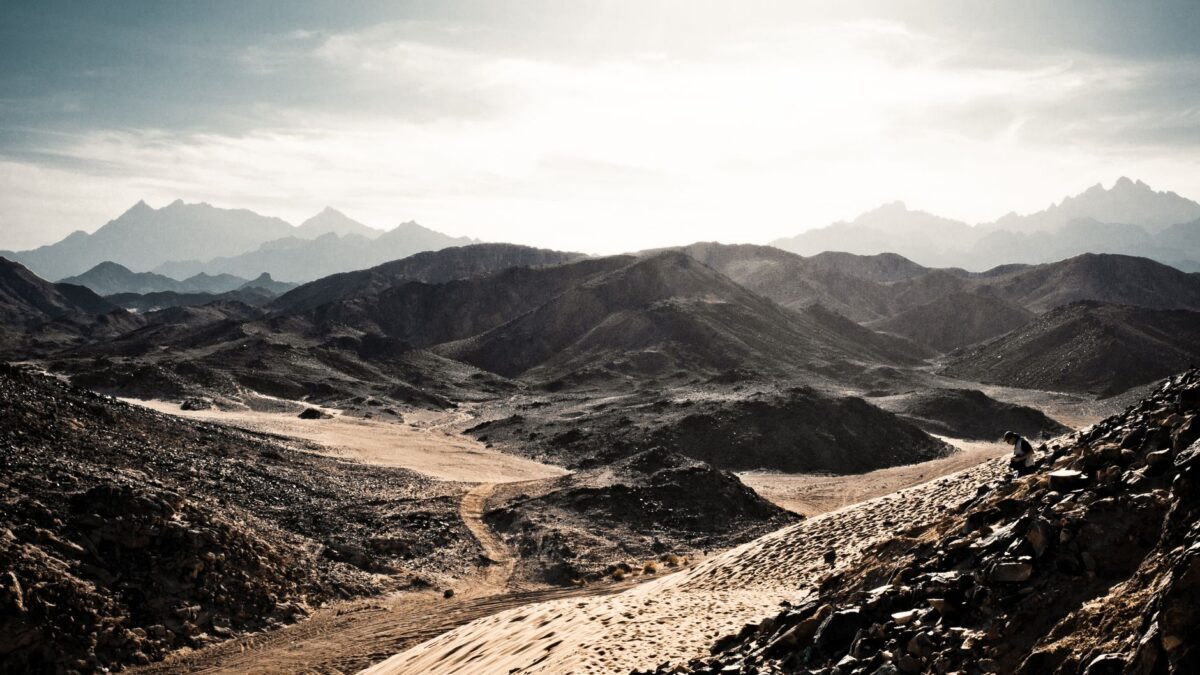
The least crowded U.S. national park in 2025 was Kobuk Valley in Alaska, with 7,786 recreation visits, followed by Gates of the Arctic (14,923) and Lake Clark (19,778), according to National Park Service visitation statistics. The quietest park in the Lower 48 was Isle Royale in Michigan, with 29,091 visits. For comparison, Great Smoky Mountains, the busiest, recorded 11,527,939.
Low numbers usually mean hard access: four of the five least visited parks are reached mainly by small plane. But several quiet parks, such as Great Basin, Black Canyon of the Gunnison and Congaree, are an ordinary drive away. All 2025 figures below are NPS recreation visits for calendar year 2025, released in March 2026.
Which national parks get the fewest visitors?
The table lists the 15 least visited national parks in 2025 and how most visitors get there.
| Rank | Park (state) | 2025 recreation visits | How you get there |
|---|---|---|---|
| 1 | Kobuk Valley (AK) | 7,786 | Air taxi from Kotzebue; no roads |
| 2 | Gates of the Arctic (AK) | 14,923 | Air taxi from Fairbanks or Bettles; no roads |
| 3 | Lake Clark (AK) | 19,778 | Small plane from Anchorage or Homer |
| 4 | Isle Royale (MI) | 29,091 | Ferry or seaplane; closed in winter |
| 5 | Katmai (AK) | 34,479 | Floatplane to Brooks Camp from King Salmon |
| 6 | National Park of American Samoa | 43,258 | Flights via Honolulu |
| 7 | North Cascades (WA) | 46,925 | Trails and boats from State Route 20 |
| 8 | Dry Tortugas (FL) | 89,355 | Ferry or seaplane from Key West |
| 9 | Wrangell-St. Elias (AK) | About 109,000 | Gravel McCarthy and Nabesna roads |
| 10 | Great Basin (NV) | About 161,000 | Paved road from US-50 near Baker |
| 11 | Voyageurs (MN) | About 206,000 | Mostly by boat from visitor centers |
| 12 | Guadalupe Mountains (TX) | About 206,000 | Paved US-62/180 |
| 13 | Channel Islands (CA) | About 227,000 | Boat or small plane from Ventura or Oxnard |
| 14 | Black Canyon of the Gunnison (CO) | About 250,000 | Paved road from Montrose |
| 15 | Congaree (SC) | About 288,000 | Paved road from Columbia |
North Cascades looks emptier than it feels because most travelers drive State Route 20 through the neighboring Ross Lake National Recreation Area, which the NPS counts separately. The total of 323,014,305 visits across the whole park system in 2025 comes from the NPS visitation announcement.
Which quiet national parks are easiest to reach?
If you want solitude without a floatplane, these parks are a normal road trip away:
- Great Basin (Nevada): Lehman Caves tours, ancient bristlecone pines, Wheeler Peak and some of the darkest night skies in the country. Our list of dark sky places for stargazing covers it with other certified sites.
- Black Canyon of the Gunnison (Colorado): sheer canyon walls viewed from a 7-mile rim drive on the South Rim.
- Guadalupe Mountains (Texas): the hike to Guadalupe Peak, the highest point in Texas, often combined with Carlsbad Caverns about 40 minutes away.
- Congaree (South Carolina): an old-growth floodplain forest with a 2.6-mile boardwalk loop, about 30 minutes from Columbia.
- Voyageurs (Minnesota): a water park for boaters and paddlers, with houseboats and island campsites.
- Chiricahua (Arizona): rock pinnacles and hiking trails in southeast Arizona; it became the 64th national park on October 20, 2026, after counting roughly 70,000 visits in 2025 as a national monument.
What are quieter alternatives to the busiest parks?
Each of the most visited parks has a less crowded park with similar scenery. The table pairs them, using 2025 NPS visitation.
| Instead of (2025 visits) | Try (2025 visits) | What is similar |
|---|---|---|
| Zion (4.98 million) | Capitol Reef (about 1.39 million) | Red rock canyons, orchards, scenic drive |
| Yellowstone (4.76 million) | Lassen Volcanic (about 505,000) | Boiling mud pots, steam vents, volcanic peaks |
| Grand Canyon (4.43 million) | Black Canyon of the Gunnison (about 250,000) | Deep canyon views from the rim |
| Yosemite (4.28 million) | Kings Canyon (about 780,000) | Granite canyon, giant sequoias, Sierra trails |
| Rocky Mountain (4.17 million) | Great Sand Dunes (about 432,000) | Colorado mountains plus tall dunes |
| Grand Teton (3.80 million) | Great Basin (about 161,000) | High peak above a valley, alpine lakes |
| Glacier (3.14 million) | North Cascades (46,925) | Glaciers, jagged peaks, turquoise lakes |
| Arches (about 1.51 million) | Canyonlands (about 796,000) | Arches and slickrock near Moab |
| Joshua Tree (about 2.93 million) | Pinnacles (about 343,000) | Rock formations, boulder scrambling, desert-like chaparral |
“Less visited” is not always “empty”: Capitol Reef and Canyonlands still draw hundreds of thousands. For a side-by-side look at the Moab parks, see our Arches vs Canyonlands comparison.
Why are some national parks so lightly visited?
Access is the main reason. Six of the 15 least visited parks are in Alaska or the Pacific, where travel requires flights, air taxis or boats that can cost hundreds of dollars per person. Weather is the second reason: Isle Royale closes completely in winter, and Arctic parks have a short summer season. A third reason is that some quiet parks sit far from interstates, such as Great Basin on US-50 in central Nevada.
Remote parks also have fewer services. Expect limited or no cell signal, few or no restaurants inside the park, and long distances to gas. Carry water, a paper map and extra food, and tell someone your plans before heading into backcountry areas.
How can you avoid crowds at popular parks?
You can find quiet even in busy parks by changing when and where you go:
- Start before 8 a.m. Parking at trailheads and viewpoints fills by mid-morning in summer.
- Visit midweek. Saturdays and holiday weekends are the busiest days.
- Pick shoulder seasons. Late April to May and September to October bring good weather with fewer people at most western parks.
- Go beyond the first mile. Crowds thin quickly a mile or two past a trailhead.
- Choose a second district. Kolob Canyons in Zion, the North Rim of the Grand Canyon and the Needles in Canyonlands see a fraction of the main areas’ traffic.
Bottom line
The least visited national parks are mostly in Alaska and require a flight, but Great Basin, Black Canyon of the Gunnison, Guadalupe Mountains, Congaree and the new Chiricahua National Park offer quiet trips by car. For famous scenery with fewer people, swap a busy park for a similar neighbor, travel in shoulder season and start early. Keep count of the quiet parks you reach on our national parks checklist.
FAQ
What is the least visited national park in the Lower 48?
Isle Royale in Lake Superior was the least visited park in the Lower 48 in 2025, with 29,091 recreation visits. It is reached only by ferry or seaplane and closes in winter.
What is the least visited national park you can drive to?
Great Basin in Nevada, with about 161,000 visits in 2025, is the least visited park whose main area you reach on a paved road inside the park. North Cascades is lower, but its highway runs through a neighboring recreation area, and Wrangell-St. Elias is reached by long gravel roads.
Which national park was the most visited in 2025?
Great Smoky Mountains was the most visited national park, with 11,527,939 recreation visits, followed by Zion and Yellowstone.
Do quiet national parks need reservations?
Most do not require entry reservations, but transport often must be booked ahead, such as the Dry Tortugas ferry, Isle Royale ferries and Channel Islands boats. Check each park’s website for current rules.