National Park Entrance Fees: What the Popular Parks Charge
A park-by-park table of 2026 vehicle, motorcycle and per-person fees, plus the parks that charge nothing and the extra costs an entrance pass does not cover.
As of November 2026, the most visited national parks charge $35 per private vehicle for a seven-day visit, $30 per motorcycle and $20 per person on foot or by bike. Many other parks charge $30, $25 or $20 per vehicle. Non-U.S. residents pay an extra $100 per person at 11 popular parks, and more than 20 national parks, including Great Smoky Mountains, charge no entrance fee at all.
The table below lists 2026 fees for popular parks from the National Park Service fee database, followed by the free parks, the fee-free days, and the extra charges that entrance fees do not include.
How much does each popular national park charge?
Fees are per vehicle and cover everyone inside a private, non-commercial vehicle. Unless noted, the pass is good for seven consecutive days. “Per person” applies to people entering on foot or by bike, and children 15 and under are free.
| Park | State | Vehicle | Motorcycle | Per person | Park annual pass | $100 nonresident fee |
|---|---|---|---|---|---|---|
| Acadia | ME | $35 | $30 | $20 | $70 | Yes |
| Arches | UT | $30 | $25 | $15 | $55 | No |
| Badlands | SD | $30 | $25 | $15 | $55 | No |
| Bryce Canyon | UT | $35 | $30 | $20 | $70 | Yes |
| Canyonlands | UT | $30 | $25 | $15 | $55 | No |
| Capitol Reef | UT | $20 | $15 | $10 | $35 | No |
| Crater Lake | OR | $30 summer, $20 Nov. 1–May 21 | $25 / $15 | $15 | $55 | No |
| Death Valley | CA, NV | $30 | $25 | $15 | $55 | No |
| Denali | AK | None | None | $15 (age 16+) | $45 | No |
| Everglades | FL | $35 | $30 | $20 | $70 | Yes |
| Glacier | MT | $35 | $30 | $20 | $70 | Yes |
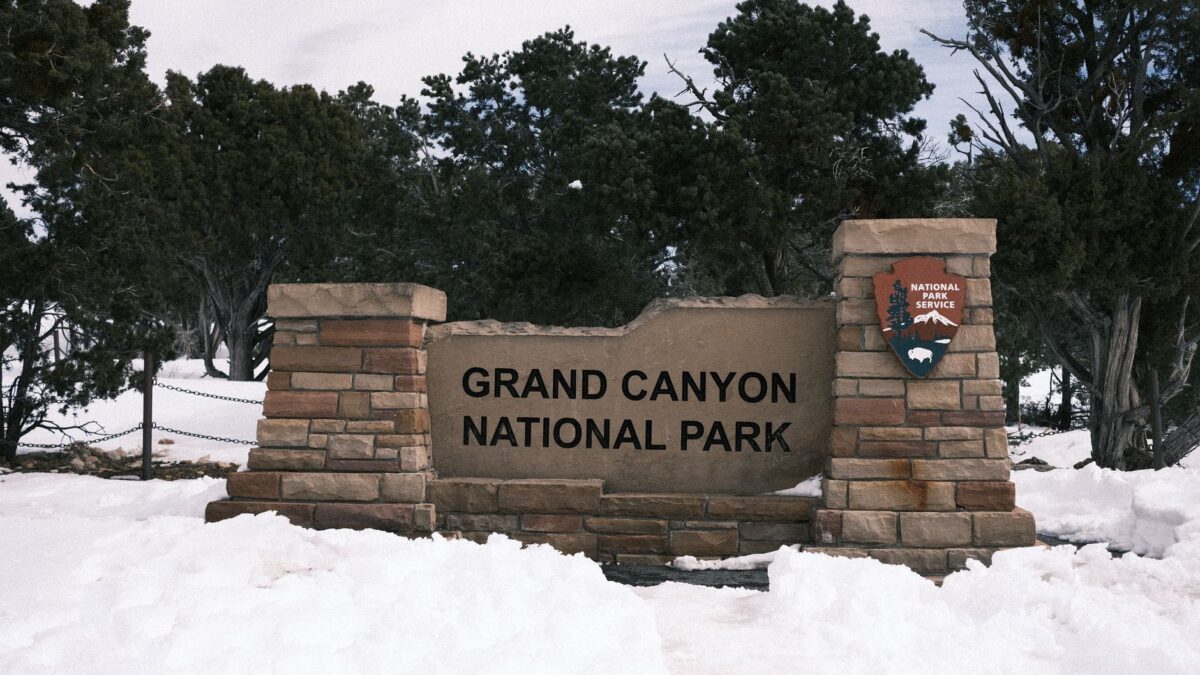
| Grand Canyon | AZ | $35 | $30 | $20 | $70 | Yes |
| Grand Teton | WY | $35 | $30 | $20 | $70 | Yes |
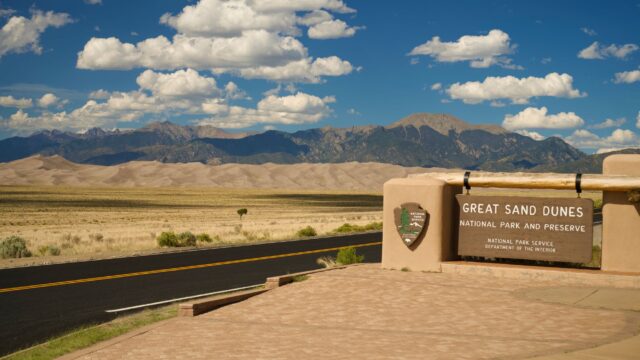
| Great Sand Dunes | CO | $25 | $20 | $15 | $45 | No |
| Haleakalā (3 days) | HI | $30 | $25 | $15 | $55 | No |
| Hawaiʻi Volcanoes | HI | $30 | $25 | $15 | Tri-park pass | No |
| Joshua Tree | CA | $30 | $25 | $15 | $55 | No |
| Mesa Verde | CO | $30 May–Oct., $20 Nov.–Apr. | $25 / $15 | $15 | $55 | No |
| Mount Rainier | WA | $30 | $25 | $15 | $55 | No |
| Olympic | WA | $30 | $25 | $15 | $55 | No |
| Petrified Forest | AZ | $25 | $20 | $15 | $45 | No |
| Rocky Mountain | CO | $30 (1 day), $35 (7 days) | $25 / $30 | $15 / $20 | $70 | Yes |
| Saguaro | AZ | $25 | $20 | $15 | $45 | No |
| Sequoia and Kings Canyon | CA | $35 | $30 | $20 | $70 | Yes |
| Shenandoah | VA | $30 | $25 | $15 | $55 | No |
| Theodore Roosevelt | ND | $30 | $25 | $15 | $55 | No |
| White Sands | NM | $25 | $20 | $15 | $45 | No |
| Yellowstone | WY, MT, ID | $35 | $30 | $20 | $70 | Yes |
| Yosemite | CA | $35 | $30 | $20 | $70 | Yes |
| Zion | UT | $35 | $30 | $20 | $70 | Yes |
Source: National Park Service entrance fee prices, last updated January 1, 2026. A motorcycle pass covers up to two motorcycles with up to four riders. Fees can change, so check the park’s own fee page before you go.
Which national parks are free to enter?
More than 20 of the 64 national parks have no entrance fee. The National Park Service lists these as fee-free:
- East and Midwest: Great Smoky Mountains (TN, NC), Mammoth Cave (KY), Cuyahoga Valley (OH), Gateway Arch (MO), Hot Springs (AR), New River Gorge (WV), Congaree (SC), Biscayne (FL), Voyageurs (MN)
- West: Channel Islands (CA), Great Basin (NV), North Cascades (WA), Wind Cave (SD), Chiricahua (AZ), which became the 64th national park in October 2026
- Alaska: Gates of the Arctic, Glacier Bay, Katmai, Kenai Fjords, Kobuk Valley, Lake Clark, Wrangell–St. Elias
- Territories: Virgin Islands, National Park of American Samoa
Free entry does not always mean free parking or free activities. Great Smoky Mountains requires a parking tag for any vehicle parked longer than 15 minutes: $5 daily, $15 weekly or $40 annual, and the America the Beautiful pass is not accepted in its place. Cave tours at Mammoth Cave and Wind Cave, the tram to the top of the Gateway Arch, and boat trips to Channel Islands all cost extra.
When are the national park fee-free days?
On fee-free days, entrance fees are waived at every National Park Service site that normally charges one. Starting in 2026, the waiver applies only to U.S. citizens and residents; nonresidents pay the normal entrance and nonresident fees.
| 2026 date | Occasion |
|---|---|
| February 16 | Presidents Day |
| May 25 | Memorial Day |
| June 14 | Flag Day and President Trump’s birthday |
| July 3–5 | Independence Day weekend |
| August 25 | National Park Service’s 110th birthday |
| September 17 | Constitution Day |
| October 27 | Theodore Roosevelt’s birthday |
| November 11 | Veterans Day |
November 11 is the last fee-free day of 2026. The 2027 list had not been published as of November 3, 2026. Timed-entry, reservation and camping fees still apply on fee-free days.
What do nonresidents pay?
Since January 1, 2026, visitors who are not U.S. residents pay a $100 nonresident fee per person aged 16 and older at 11 parks, in addition to the standard entrance fee: Acadia, Bryce Canyon, Everglades, Glacier, Grand Canyon, Grand Teton, Rocky Mountain, Sequoia and Kings Canyon, Yellowstone, Yosemite and Zion. The fee is waived for anyone admitted with an annual pass, including the $250 Non-Resident Annual Pass. Our guide to fees for international visitors explains who counts as a resident and when the pass pays off.
What other fees might you pay inside a park?
Entrance fees cover getting in, not every activity. These separate charges, as of November 2026, catch many visitors:
- Timed entry: Rocky Mountain charges a $2 Recreation.gov processing fee for its timed-entry reservations, required May 22 to mid-October in 2026.
- Road reservations: Acadia’s Cadillac Summit Road vehicle reservations cost $6, May 20 to October 25 in 2026.
- Sunrise tickets: Haleakalā charges $1 per vehicle for a sunrise reservation for the 3 a.m. to 7 a.m. entry window.
- Cave tickets: Carlsbad Caverns requires a $1 timed-entry ticket to enter the cavern, on top of its entrance fee.
- Permits and lotteries: Zion’s Angels Landing lottery costs $6 per application plus $3 per person if you win.
- Camping, tours and lodges: all priced separately by the park or its concessioners.
See which parks ask for advance bookings in our guide to national parks that require reservations.
How do you pay the entrance fee?
Most parks sell passes at the entrance station and as digital passes on Recreation.gov, which you can buy before you leave home. Many entrances are now cashless: Yosemite, for example, accepts only credit cards, debit cards and mobile payments at its gates. Buying a digital pass in advance saves time at busy entrances and helps where cell service is weak, as long as you save it on your phone before you arrive.
If you plan to visit three or more fee-charging parks within a year, compare the $80 annual pass first; our America the Beautiful pass break-even guide runs the numbers.
Bottom line
Budget $35 per vehicle for the big-name parks and $20–$30 for most others, as of November 2026. Nonresidents should add $100 per adult at the 11 busiest parks or buy the $250 annual pass. Great Smoky Mountains and about 20 other national parks are free to enter, though some charge for parking, tours or tickets.
FAQ
Is the national park entrance fee per car or per person?
At most parks it is per private vehicle and covers everyone inside. Per-person fees apply if you arrive on foot or by bike, and at Denali, which charges $15 per person aged 16 and older.
How long is a national park entrance pass valid?
Most standard passes are valid for seven consecutive days from purchase. Exceptions include Haleakalā (three days) and Rocky Mountain, which sells both a one-day $30 and a seven-day $35 vehicle pass.
Does Great Smoky Mountains National Park charge an entrance fee?
No, but every vehicle parked for more than 15 minutes needs a parking tag. Tags cost $5 a day, $15 a week or $40 a year, and federal passes do not replace them.
Do children pay national park entrance fees?
No. Children 15 and under enter free at per-person parks, and the $100 nonresident fee applies only to visitors aged 16 and older.