Best National Parks for First-Time Visitors, With Airports and Days
A first national park trip goes best where the famous views are close to the road, facilities are good and the nearest airport is a few hours away. These ten parks fit, with the airport, drive time and days to plan for each.
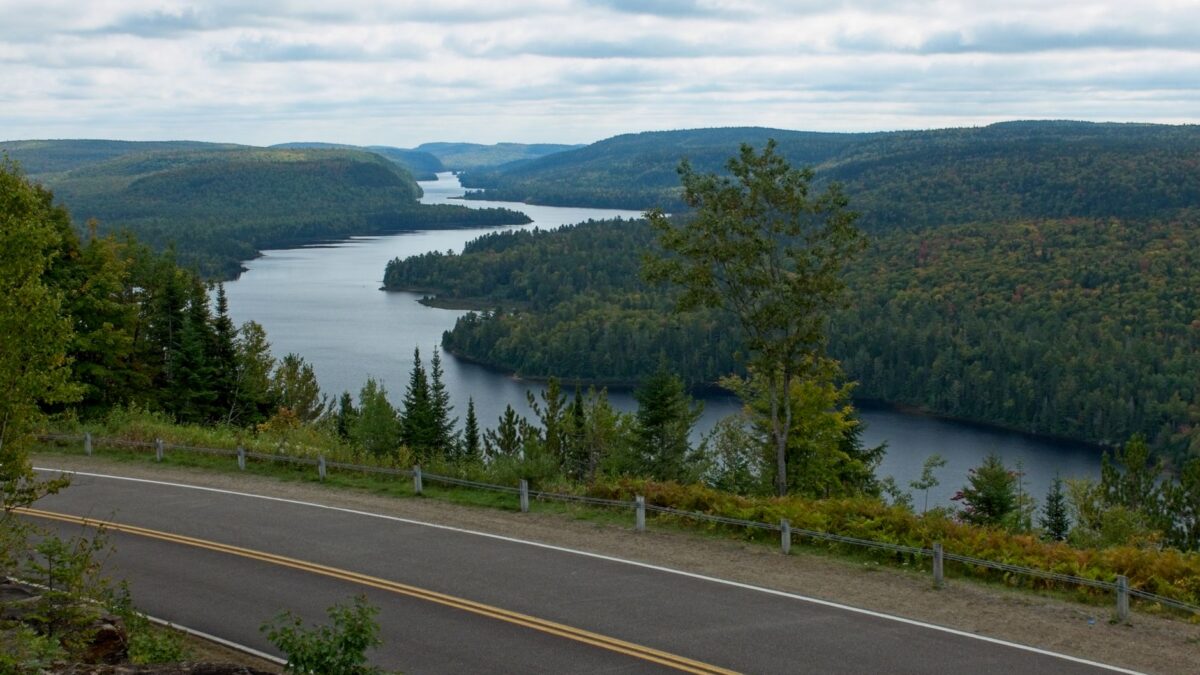
The best national parks for a first visit are Grand Canyon (South Rim), Yellowstone, Zion, Great Smoky Mountains and Yosemite, followed by Rocky Mountain, Acadia, Grand Teton, Arches and Joshua Tree. All ten have iconic views a short walk from parking, visitor centers and lodging nearby, and a major airport within about 1 to 4 hours by car. Most need 1 to 3 days.
These ten were chosen for ease of access, the quality of roadside viewpoints, the range of short hikes and the availability of food and lodging, using each park’s published information. Fees and reservation rules are as of November 2026.
Which national parks are easiest for a first visit?
The table lists each park’s nearest practical airport, typical drive time to the park without stops, and how many days a first visit needs.
| Park | Why it works for first-timers | Nearest practical airport (drive) | Days needed |
|---|---|---|---|
| Grand Canyon South Rim (AZ) | Famous views at the parking lots, free shuttles, open all year | Flagstaff, about 1.5 h; Phoenix, about 4 h; Las Vegas, about 4.5 h | 1–2 |
| Yellowstone (WY, MT, ID) | Geysers and wildlife along one loop road | Bozeman, about 1.5–2 h to West Yellowstone; Jackson, about 1–1.5 h to South Entrance | 3–4 |
| Zion (UT) | Canyon shuttle, paved river trails, Springdale at the gate | St. George, about 1 h; Las Vegas, about 2.5–3 h | 2–3 |
| Great Smoky Mountains (TN, NC) | No entrance fee, scenic drives, towns at both main entrances | Knoxville, about 1 h; Asheville, about 1 h to the North Carolina side | 2–3 |
| Yosemite (CA) | Waterfalls and granite walls in one valley | Fresno, about 2.5 h; San Francisco Bay Area, about 4 h | 2–3 |
| Rocky Mountain (CO) | High alpine road, easy lake loops, elk | Denver, about 1.5–2 h | 2 |
| Acadia (ME) | Coast, mountains and a free park bus in summer | Bar Harbor, about 20 min; Bangor, about 1 h | 2–3 |
| Grand Teton (WY) | Mountain views straight from the road | Jackson Hole Airport, inside the park | 1–2 |
| Arches (UT) | Dozens of arches near one scenic road | Moab regional, about 30 min; Grand Junction, about 2 h; Salt Lake City, about 4 h | 1–2 |
| Joshua Tree (CA) | Desert scenery, easy boulder walks, best in cooler months | Palm Springs, about 1 h; Los Angeles area, about 2.5–3 h | 1–2 |
Drive times are approximate and can double in summer traffic or snow. If you fly into a major hub, budget a half day to reach the park and settle in.
Why are these parks good for first-timers?
Grand Canyon South Rim delivers the biggest first impression for the least effort: walk a few minutes from the visitor center to Mather Point and the canyon is in front of you. The free shuttles and the paved Rim Trail cover the main viewpoints.
Yellowstone rewards a longer trip. The 142-mile Grand Loop Road connects Old Faithful, Grand Prismatic Spring, the Grand Canyon of the Yellowstone and valleys full of bison. Plan your timing with our month-by-month Yellowstone guide, because most roads are open to cars only from spring to early November.
Zion is compact and organized. From March to late November, a free shuttle carries visitors up the main canyon, and easy paved trails such as the Pa’rus Trail and Riverside Walk suit any fitness level.
Great Smoky Mountains was the most visited national park in 2025, with 11,527,939 recreation visits by NPS count. It charges no entrance fee, though cars parked more than 15 minutes need a parking tag, from $5 a day.
Yosemite puts Yosemite Falls, El Capitan and Half Dome into one valley about 7 miles long. Yosemite did not require entry reservations in 2026, but summer traffic in the valley is heavy, so arrive early.
Rocky Mountain offers Trail Ridge Road, which climbs above 12,000 feet, and flat lake walks near Bear Lake. A timed-entry permit was required from late May to mid-October in 2026.
Acadia mixes rocky coast, lakes and low mountains on Mount Desert Island, with Bar Harbor as an easy base.
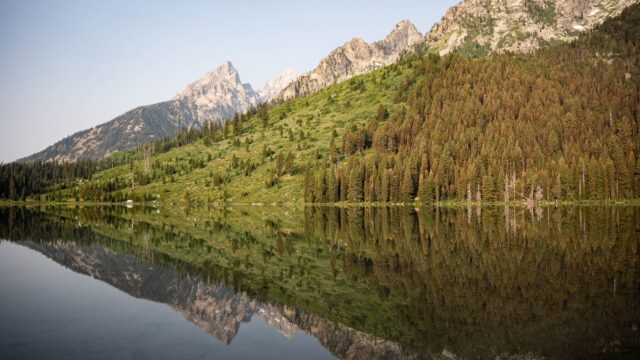
Grand Teton shows its main peaks from almost every turnout, and it pairs naturally with Yellowstone to the north.
Arches and Joshua Tree are excellent short trips, best from fall to spring, when desert heat is not extreme.
How many days should a first national park trip be?
Plan 2 to 3 days for most parks and 3 to 4 for Yellowstone. One day is enough to see the highlights of Grand Canyon’s South Rim, Arches, Grand Teton or Joshua Tree, but a second day lets you catch sunrise and sunset light and add a longer hike.
A simple first-trip structure:
- Arrival afternoon: visitor center, a short walk and a sunset viewpoint.
- Full day: the main scenic drive and one or two short hikes, starting early.
- Second full day: a longer trail, a ranger program or a less visited area.
- Departure morning: sunrise at a viewpoint, then the drive out.
What should first-time visitors book ahead?
Lodging is the item that sells out first. In-park lodges at Yellowstone, Grand Canyon, Yosemite and Zion often fill many months ahead for summer, and campgrounds on Recreation.gov typically open months in advance. Our guide on when to book a national park trip sets out a timeline for lodges, campsites, permits and flights.
Entry rules changed in 2026. Arches, Yosemite, Glacier and Mount Rainier did not require vehicle reservations, while Rocky Mountain kept timed entry and Acadia required a reservation for Cadillac Summit Road. Rules for 2027 may differ, so check each park’s website in early spring.
How much does a first national park trip cost in fees?
As of November 2026, most large parks charge $30 to $35 per private vehicle for a seven-day pass, and Great Smoky Mountains charges nothing for entry. The $80 America the Beautiful annual pass covers entrance fees at all national parks for U.S. residents; the official NPS passes page lists all pass types, including free passes for U.S. fourth graders, military members and people with permanent disabilities.
Since January 1, 2026, visitors who are not U.S. residents and are 16 or older pay an extra $100 per person at eleven busy parks, including Grand Canyon, Yellowstone, Zion, Yosemite, Rocky Mountain, Acadia and Grand Teton, unless they buy the $250 nonresident annual pass. For park-by-park prices, see our national park entrance fees guide.
Bottom line
For a first national park, choose the Grand Canyon’s South Rim for a one- or two-day trip, Zion or Great Smoky Mountains for a long weekend, or Yellowstone if you have four days. Book lodging early, check the 2027 entry rules a few months before you travel, and start each day early to beat traffic. Once you have a few parks behind you, keep count with our national parks checklist.
FAQ
What is the most popular national park in the US?
Great Smoky Mountains is the most visited, with 11,527,939 recreation visits in 2025, according to the National Park Service. Zion, Yellowstone, Grand Canyon and Yosemite followed.
Which national park is best for a weekend trip?
Grand Canyon’s South Rim, Zion, Arches, Great Smoky Mountains and Joshua Tree all work well for two days because their main sights sit close together.
Which first national park is easiest without a car?
Zion and the Grand Canyon South Rim are the easiest, thanks to free in-park shuttles. Acadia’s free Island Explorer bus also covers much of the park in summer and early fall.
Is it better to visit one park or several on a first trip?
One or two parks is usually better. Long drives between parks eat into time on trails, and a slower pace leaves room for sunrise, sunset and ranger programs.