Southwest Road Trip in 10 Days: Sedona, Grand Canyon to White Sands
Red rock, the South Rim, Navajo land, cliff dwellings, an adobe capital and white gypsum dunes, planned around heat, altitude, time zones and tribal rules.
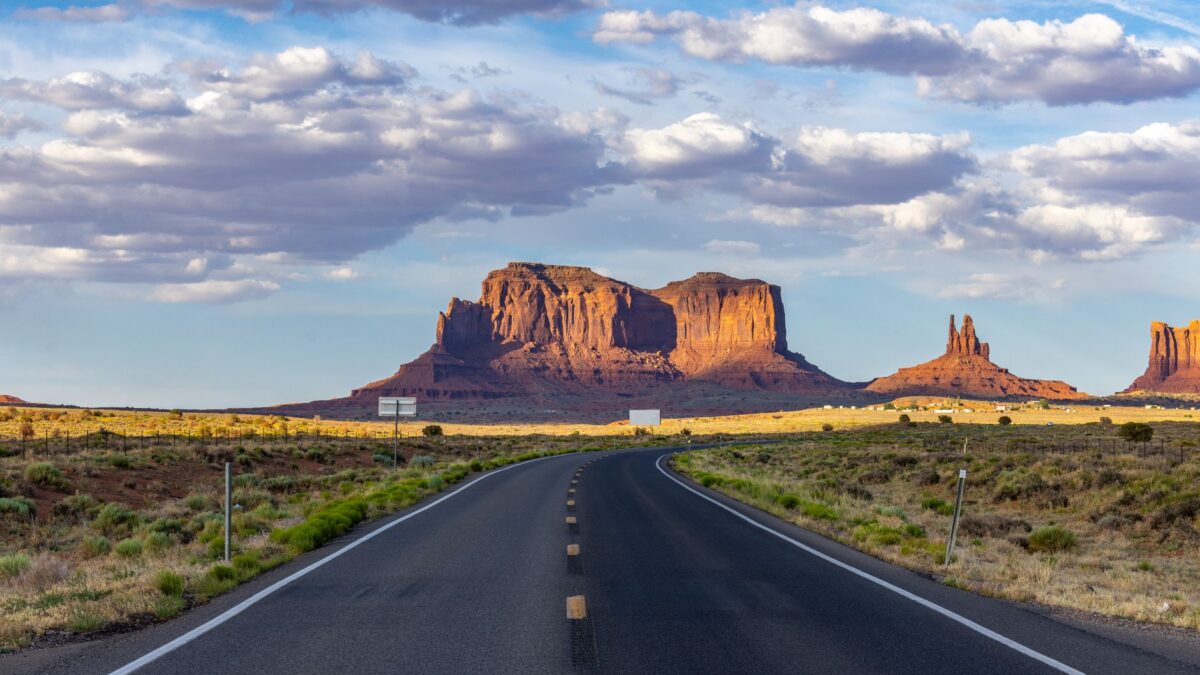
A 10-day Southwest road trip covers about 1,250 miles from Phoenix through Sedona, Grand Canyon’s South Rim, Monument Valley, Mesa Verde and Santa Fe to White Sands National Park, ending at El Paso’s airport. The best months are March to May and late September to early November, when days are warm but not dangerous. Summer brings extreme heat in the low deserts and monsoon storms from about July to mid-September.
The route crosses three states, the Navajo Nation and two time-zone rules, so a little planning saves confusion. Fly into Phoenix and out of El Paso, or loop back to Phoenix from White Sands with one extra driving day.
What does the 10-day Southwest route look like?
Times are typical driving times without stops. Mountain roads between Mesa Verde and Santa Fe are slow, and the Grand Canyon’s South Entrance can back up at midday.
| Leg | Approx. miles | Drive time |
|---|---|---|
| Phoenix to Sedona | 115 | 2 hr |
| Sedona to Grand Canyon Village | 110 | 2–2.5 hr |
| Grand Canyon Village to Monument Valley via Desert View | 180 | 3.5 hr |
| Monument Valley to Mesa Verde | 150 | 3 hr |
| Mesa Verde to Santa Fe | 270 | 5 hr |
| Santa Fe to White Sands | 230 | 3.5–4 hr |
| White Sands to El Paso airport | 90 | 1.5 hr |
How should you spend 10 days in the Southwest? Day by day
Day 1: Phoenix to Sedona
Leave Phoenix after landing and stop at Montezuma Castle National Monument, a cliff dwelling just off I-17. Reach Sedona for sunset at Airport Mesa. Base: Sedona or the Village of Oak Creek.
Day 2: Sedona trails
Start early for a hike such as Cathedral Rock, Boynton Canyon or the walk to Devil’s Bridge, and save the afternoon for Tlaquepaque or a scenic drive on Red Rock Scenic Byway (SR-179). Many trailheads require a Red Rock Pass ($5 per day as of November 2026) or an America the Beautiful pass on your dashboard. Our Sedona guide covers trail shuttles and parking. Base: Sedona.
Day 3: Oak Creek Canyon to the South Rim
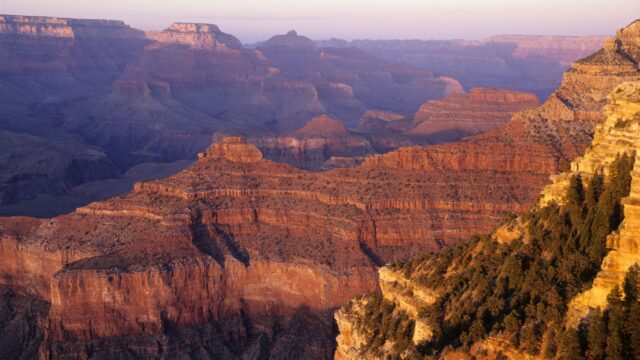
Drive north through Oak Creek Canyon on SR-89A, stop at Slide Rock State Park if it is warm, and continue through Flagstaff to the Grand Canyon. Watch sunset from Mather Point or Yavapai Point. Base: Grand Canyon Village or Tusayan.
Day 4: Grand Canyon South Rim
Walk part of the paved Rim Trail, and take the free shuttle along Hermit Road, which is closed to private cars for most of the year, to Hopi Point and Pima Point. For a short taste of the inner canyon, the South Kaibab Trail to Ooh Aah Point is about 1.8 miles round trip, but the climb back up is steep. Base: same as Day 3.
Day 5: Desert View Drive to Monument Valley
Drive the 25-mile Desert View Drive east, with stops at Grandview Point and the Desert View Watchtower, then leave the park toward Cameron and Kayenta. Arrive at Monument Valley in the late afternoon, when the buttes glow. Base: Monument Valley, Kayenta or Mexican Hat.
Day 6: Monument Valley to Mesa Verde
Watch sunrise over the Mittens, then drive the 17-mile Valley Drive or join a Navajo-guided tour, which is the only way to reach areas off the main loop. Our Monument Valley guide compares tours and timing. Drive on to Cortez, Colorado, with an optional stop at Four Corners Monument. Base: Cortez or the lodge inside Mesa Verde (seasonal).
Day 7: Mesa Verde National Park
Drive the Mesa Top Loop and view Cliff Palace and Square Tower House from overlooks. To enter the largest cliff dwellings, book a ranger-led tour; tickets are sold separately from the entrance fee, and an annual pass does not cover them. Park roads climb to about 8,500 feet, so pace yourself. Base: Cortez or Durango.
Day 8: Mesa Verde to Santa Fe
Drive east through Durango and Pagosa Springs and over the high country to Chama, then south to Santa Fe. Arrive for an evening walk around the Plaza. Base: Santa Fe.
Day 9: Santa Fe to White Sands
Spend the morning on the Plaza, at the Palace of the Governors and along Canyon Road’s galleries, then drive south on I-25 and US-70. Reach White Sands for sunset on the dunes. Base: Alamogordo or Las Cruces.
Day 10: White Sands to El Paso
Return to Dunes Drive early, while the sand is cool. Walk the Interdune Boardwalk or part of the Alkali Flat Trail, then drive about 90 minutes to El Paso to fly out.
How do you stay safe in Southwest heat and altitude?
Heat is the main risk on this route. Phoenix and the low deserts regularly pass 100°F from late spring to early fall, and the dunes at White Sands reflect sun and heat with no shade. Grand Canyon National Park advises hikers to avoid the inner canyon between 10 a.m. and 4 p.m. in hot weather.
- Carry more water than you think you need, plus salty snacks, and drink before you feel thirsty.
- Hike at dawn; in summer, plan only short walks after midday.
- Going down into the Grand Canyon is the easy part: allow twice as long for the climb out.
- The South Rim (about 7,000 feet), Mesa Verde and Santa Fe sit at high altitude. Drink water, go slowly on the first day and watch for headache or nausea.
- During monsoon season, avoid slot canyons and washes when storms are possible anywhere upstream, and leave exposed viewpoints when lightning is near.
- White Sands Missile Range tests can close US-70 and Dunes Drive for short periods; build a buffer into the last day.
What are the rules on the Navajo Nation?
Monument Valley Navajo Tribal Park is run by the Navajo Nation, not the National Park Service, and its own rules apply:
- Fees: $10 per person per day plus $15 per vehicle for the Valley Drive, as listed by Navajo Nation Parks as of November 2026. America the Beautiful passes are not accepted.
- Drones are prohibited at Navajo tribal parks, and alcohol is not allowed on the Navajo Nation.
- Stay on the marked Valley Drive. Areas off the loop are open only with a Navajo guide, and backcountry hiking needs a tribal permit.
- Ask before photographing residents or their homes.
- Motorcycles are not allowed on the Valley Drive, and the park closes on Thanksgiving, Christmas and New Year’s Day.
Time zones: most of Arizona stays on Mountain Standard Time all year, but the Navajo Nation observes daylight saving time. From March to early November, Monument Valley, Colorado and New Mexico are one hour ahead of Sedona and the Grand Canyon. Confirm the time zone of every tour booking.
What should you book ahead?
- Grand Canyon Village lodging: book a year or more ahead for spring and fall.
- Mesa Verde cliff dwelling tours: in 2026 they were sold on Recreation.gov on a rolling basis about 14 days ahead and often sold out.
- Monument Valley lodging: rooms near the visitor center are limited; book 2 to 6 months ahead.
- Antelope Canyon (optional detour from Page): only with Navajo-authorized tour operators. See our Antelope Canyon tours guide.
How much does a 10-day Southwest road trip cost?
Rough planning ranges for two travelers sharing a room, excluding flights, as of November 2026. Fuel assumes about 1,250 miles. A one-way rental from Phoenix to El Paso often carries a drop fee.
| Item | Budget | Mid-range | Comfort |
|---|---|---|---|
| Lodging (9 nights) | $900–1,400 (motels, some camping) | $1,600–2,500 (3-star hotels, park lodge) | $3,000–5,000 (Sedona resorts, boutique Santa Fe) |
| Rental car with one-way fee | $600–950 | $750–1,100 | $1,000–1,600 |
| Fuel | $150–220 | $170–240 | $200–300 |
| Food for two | $500–800 | $900–1,400 | $1,600–2,500 |
| Fees, passes and tours | $130–180 (annual pass, Monument Valley) | $250–500 (plus a Navajo-guided tour) | $600–1,200 (private tours, scenic flight) |
| Total for two | $2,280–3,550 | $3,670–5,740 | $6,400–10,600 |
Entrance fees as of November 2026: Grand Canyon $35 per vehicle, Mesa Verde $30 per vehicle from May to October and $20 from November to April, and White Sands $25 per vehicle, each valid 7 days. The $80 America the Beautiful pass covers these three. Non-US residents age 16 and older also pay a $100 per-person fee at Grand Canyon unless they hold the $250 nonresident annual pass.
What if you have less or more time?
With 7 days: end in Santa Fe and fly home from Albuquerque, about an hour away, skipping White Sands.
With 14 days: add Page for Horseshoe Bend and Antelope Canyon between the Grand Canyon and Monument Valley, a day in Taos, and two nights near Carlsbad Caverns. The Grand Canyon’s North Rim reopened on May 15, 2026, with limited services, but the historic Grand Canyon Lodge burned in the July 2025 Dragon Bravo Fire, so there is no in-park lodging on the North Rim; check its status before adding it.
Bottom line
Ten days is enough for the Southwest’s greatest hits from Sedona to White Sands if you travel in spring or fall, start hikes at dawn and accept two 4- to 5-hour drives. Respect Navajo Nation rules, set your watch for the daylight saving split and book Grand Canyon lodging and Mesa Verde tours first.
FAQ
What is the best time of year for a Southwest road trip?
March to May and late September to early November are best. Temperatures are comfortable in the deserts, and the high country around the Grand Canyon and Mesa Verde is open. Summer is very hot, and winter can bring snow and closures at higher elevations.
Does the Navajo Nation use a different time zone?
The Navajo Nation observes daylight saving time while the rest of Arizona does not. In summer, Monument Valley is one hour ahead of the Grand Canyon. In winter, both are on the same time.
Does the America the Beautiful pass work at Monument Valley?
No. Monument Valley is a Navajo tribal park with its own fees, $10 per person plus $15 per vehicle as of November 2026. The pass does work at Grand Canyon, Mesa Verde, White Sands and Sedona’s Red Rock Pass trailheads.
Can you do this trip in summer?
You can, but plan around heat and storms. Spend midday driving or indoors, hike only at dawn, and avoid the inner Grand Canyon and the White Sands backcountry in the heat of the day. Monsoon storms from about July to mid-September can cause flash floods and lightning.