Monument Valley Guide: Fees, Valley Drive, Tours and Best Light
Plan a visit to the Navajo Tribal Park on the Arizona–Utah line: what the fees cover, what you can see on your own and when to go for photos.
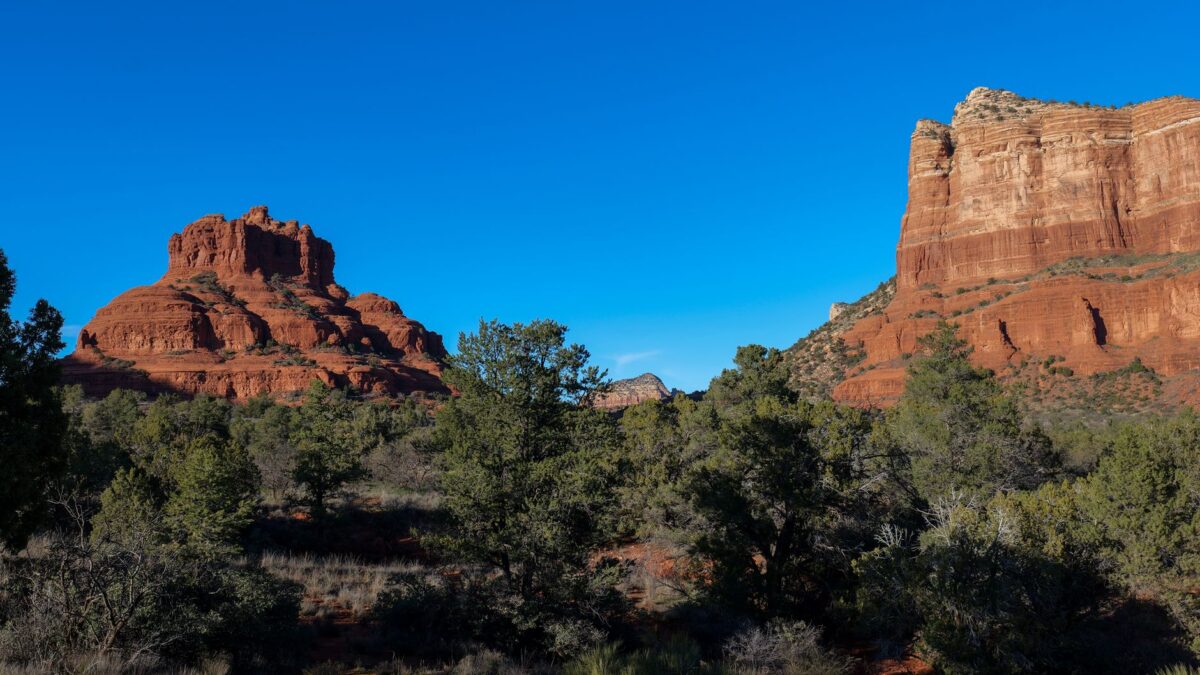
Monument Valley Navajo Tribal Park, on the Arizona–Utah border, is run by Navajo Nation Parks and Recreation, not the National Park Service, so federal park passes are not accepted. As of November 2026, entry is listed at $10 per person per day after a fee increase on January 1, 2026, and the park’s Monument Valley page also lists a $15 vehicle fee. You can drive the 17-mile dirt Valley Drive yourself; some landmarks are open only on tours with Navajo guides.
How much does Monument Valley cost and what are the hours?
Navajo Nation Parks announced higher entry and permit fees at all of its locations from January 1, 2026. Its Monument Valley page lists $10 per person per day and $15 per vehicle, and its entry fee page states that the National Park Pass is not accepted. Some park pages still showed the older $8 rate when checked in November 2026, so confirm on the Navajo Nation Parks Monument Valley page before you go.
| Item | Details (as of November 2026) |
|---|---|
| Entry fee | $10 per person per day |
| Vehicle fee | $15 per vehicle, as listed on the park page |
| Federal passes | Not accepted |
| Winter hours (from October 17, 2026) | Viewpoint 8 a.m.–5 p.m.; Valley Drive 8 a.m.–5 p.m., last entry 2:30 p.m. |
| Summer hours | Longer; posted seasonally on the park site |
| Closed | Thanksgiving Day (November 26, 2026), Christmas Day, New Year’s Day |
| Dogs | Prohibited at all Navajo Tribal Park locations |
| Drones | Prohibited in tribal park areas and on the Navajo Nation |
The Navajo Nation observes daylight saving time, while most of Arizona does not. From March to early November, Monument Valley runs one hour ahead of Page, Flagstaff and the Grand Canyon, which matters for tour start times and the last entry to Valley Drive.
Can you drive Valley Drive yourself?
Yes. Valley Drive is a 17-mile loop of natural dirt road that starts below the visitor center, and entry is first-come, first-served. Navajo Nation Parks describes very rough terrain and deep sand in places and recommends an SUV or truck. RVs, camper vans and motorcycles are prohibited on the drive, and the park is not liable for vehicle damage.
Plan 2 to 3 hours for the loop with stops. Check your rental agreement, because many companies restrict driving on unpaved roads. Stay on the designated route and obey signs; the land beyond the road is home to Navajo families.
Common stops along the loop include:
- The Mittens and Merrick Butte, visible from the visitor center patio.
- Elephant Butte and the Three Sisters, early on the loop.
- John Ford’s Point, named for the film director who shot several westerns here.
- Camel Butte and The Thumb in the middle section.
- Artist’s Point and North Window, wide views back across the valley.
Are guided tours with Navajo guides worth it?
Yes, if you want to see more than the public loop. Navajo Nation Parks says Ear of the Wind and other landmarks are reachable only on a guided tour, and tour guides wait at the lower-level parking lot. You can buy the entry fee and a tour on arrival, or book ahead with an operator listed on the Navajo Nation Parks site. Tours run in open-air or enclosed vehicles, and some operators offer horseback rides and sunrise or sunset trips.
Prices vary by length, group size and vehicle type, so compare a few listed operators. A guide also explains Navajo history and the names of formations, which the self-drive loop does not provide. Tours are the only legitimate way into restricted areas; driving or hiking off the public route without a guide is not allowed.
Can you hike in Monument Valley?
The self-guided Wildcat Trail loops around West Mitten Butte from the visitor center area. Navajo Nation Parks asks hikers to sign in and out at the visitor center, and trails are open 8 a.m. to 5 p.m. Backcountry hiking and camping require a backcountry permit from the visitor center. Carry plenty of water: the trail is sandy, exposed and has no shade.
Where is Forrest Gump Point?
Forrest Gump Point is a roadside viewpoint on US-163 in Utah, near mile marker 13, roughly 12 to 13 miles north of the tribal park entrance. It is the long straight road toward the buttes where the film’s running scene ended. There is no fee because it is on a public highway.
The famous photo is taken from the middle of the road, which is dangerous. Park fully off the pavement at the pull-offs, keep children close, and take photos from the shoulder or when traffic is clearly absent. Trucks and RVs move fast on this stretch.
When is the best light in Monument Valley?
Sunrise behind the Mittens is the classic shot from the visitor center overlook, with the buttes in silhouette. In late afternoon, the low sun lights the west faces of the Mittens and Merrick Butte in deep red. Midday light is flat and harsh in summer.
| Season | What to expect |
|---|---|
| March–May | Mild days, windy spells and blowing sand; popular with tour groups |
| June–August | Hot afternoons and July–September monsoon storms with lightning |
| September–October | Comfortable days and clear skies; one of the best times to visit |
| November–February | Cold nights, occasional snow on the buttes, fewer people and shorter hours |
In winter, last entry to Valley Drive is 2:30 p.m., so plan sunset photos from the visitor center area rather than the loop.
Where should you stay near Monument Valley?
Lodging inside or next to the park is limited, so book ahead for spring and fall. Options by area:
- Inside the park: The View Hotel, with a campground and cabins, sits next to the visitor center facing the Mittens.
- Just outside, Utah side: the Goulding’s area a few miles west has a lodge, campground and store.
- Kayenta, Arizona: about 25 miles south, with several chain hotels and restaurants.
- Mexican Hat and Bluff, Utah: small towns to the north, convenient for Valley of the Gods and Goosenecks State Park.
The Navajo Nation prohibits the sale and possession of alcohol, which applies to lodging and campgrounds on tribal land. Ask permission before photographing residents or their homes.
How do you fit Monument Valley into a Southwest road trip?
Monument Valley is far from everything, so most travelers stop for half a day or stay one night between bigger destinations. Approximate driving times:
| From | Approx. distance | Approx. drive |
|---|---|---|
| Page, Arizona | 120 miles | 2 hours |
| Grand Canyon South Rim | 175 miles | 3–3.5 hours |
| Moab, Utah | 150 miles | 2.5–3 hours |
| Mesa Verde, Colorado | 150 miles | 2.5–3 hours |
It fits naturally into our 10-day Southwest road trip, and pairs with Antelope Canyon tours and Horseshoe Bend near Page. Fuel up in Kayenta or Mexican Hat; services in between are sparse.
Bottom line
Budget $10 per person plus the listed vehicle fee, then give yourself at least half a day: Valley Drive in the morning, a guided tour for the restricted areas, and the visitor center overlook at sunrise or sunset. Remember the time difference with the rest of Arizona in summer, leave the dog and the drone at home, and book lodging early if you want to wake up facing the Mittens.
FAQ
Is Monument Valley a national park?
No. It is a Navajo Tribal Park managed by Navajo Nation Parks and Recreation. The America the Beautiful pass and other federal passes are not accepted.
Do you need a guide to visit Monument Valley?
No guide is needed for the 17-mile Valley Drive or the Wildcat Trail. A Navajo guide is required to reach restricted areas such as Ear of the Wind.
How long should you spend in Monument Valley?
Half a day covers Valley Drive and the visitor center. Stay overnight if you want both sunset and sunrise light or a longer guided tour.
Can you fly a drone in Monument Valley?
No. Navajo Nation Parks prohibits drones in tribal park areas and on the Navajo Nation. Commercial photography and filming need a separate special use permit, so ask at the visitor center first.