Colorado Road Trip in 7 Days: Rocky Mountain, Aspen and Sand Dunes
Two national parks, two high mountain passes and the most photographed peaks in the state in one week from Denver. The plan covers the reservations that limit access and how to handle the altitude.
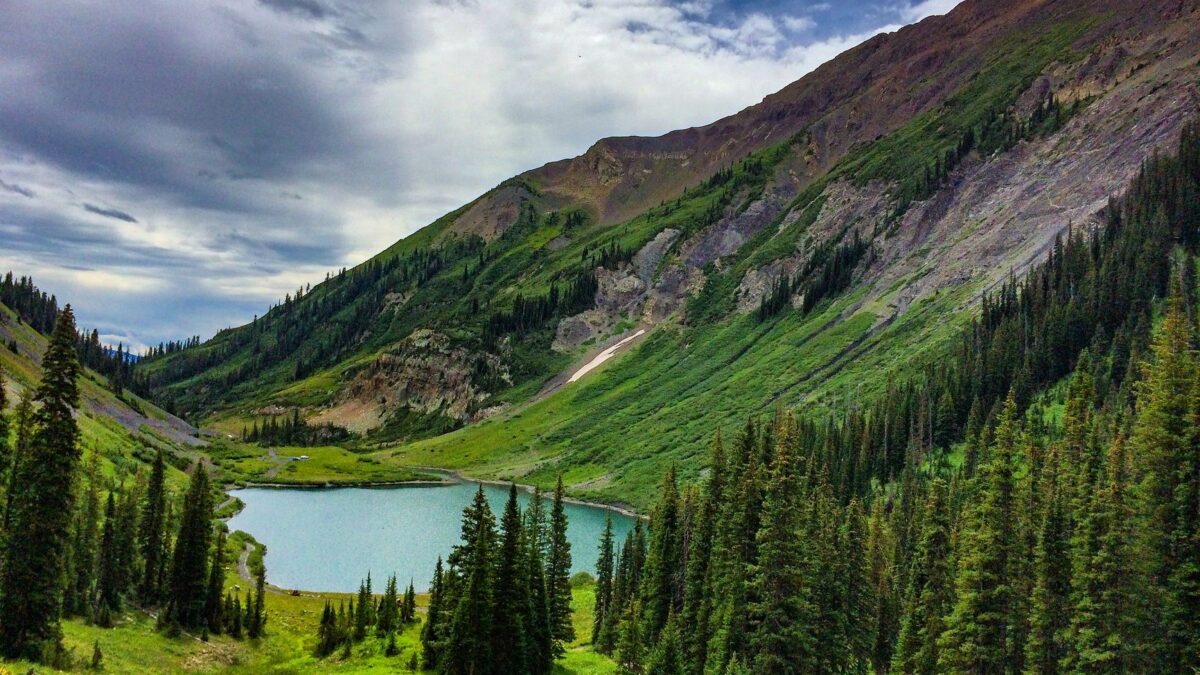
A 7-day Colorado road trip from Denver can loop through Rocky Mountain National Park, Glenwood Springs, Aspen and the Maroon Bells, Great Sand Dunes National Park and Colorado Springs in about 800 miles. Go between late June and late September, when Trail Ridge Road and Independence Pass are open, and book Rocky Mountain’s timed-entry permit and the Maroon Bells shuttle in advance.
The route climbs above 12,000 feet twice, so the plan starts with lower elevations and builds in an easy first day.
What does the 7-day Colorado loop look like?
The loop runs northwest from Denver into Rocky Mountain National Park, west over the Continental Divide, south through the central mountains and back to Denver along the Front Range.
| Leg | Distance | Drive time (no stops) |
|---|---|---|
| Denver to Estes Park | about 70 miles | 1.5 hours |
| Estes Park to Grand Lake on Trail Ridge Road | about 48 miles | 1.5–2 hours |
| Grand Lake to Glenwood Springs | about 145 miles | 2.75–3 hours |
| Glenwood Springs to Aspen | about 41 miles | 1 hour |
| Aspen to Great Sand Dunes via Independence Pass | about 200 miles | 4–4.5 hours |
| Great Sand Dunes to Colorado Springs | about 165 miles | 3 hours |
| Colorado Springs to Denver | about 70 miles | 1–1.5 hours |
Check Colorado road conditions on COtrip, the state transportation department’s traveler site. Interstate 70 through Glenwood Canyon can close for rockfall or flash flooding.
What should you do each day?
Day 1: Denver to Estes Park
Drive to Estes Park, at about 7,500 feet. In the afternoon, enter Rocky Mountain National Park after 2 p.m., when a timed-entry permit is not needed for most of the park in season, and look for elk in Moraine Park at dusk. Keep the day easy while your body adjusts. Base: Estes Park.
Day 2: Bear Lake and Trail Ridge Road
Start early in the Bear Lake corridor and walk the trail past Nymph and Dream lakes to Emerald Lake, about 3.6 miles round trip. Then drive Trail Ridge Road, which tops out at 12,183 feet, with stops at Many Parks Curve, Forest Canyon Overlook and the Alpine Visitor Center. Descend to Grand Lake on the west side. Base: Grand Lake.
Day 3: Grand Lake to Glenwood Springs
Drive west through Kremmling and the Colorado River valley to Glenwood Springs. Spend the afternoon in the hot springs pools and walk or bike the recreation path through Glenwood Canyon. Base: Glenwood Springs.
Day 4: Aspen and the Maroon Bells
Drive up the Roaring Fork Valley to Aspen. Ride the reserved shuttle to Maroon Lake for the classic view of the Maroon Bells, and add the hike to Crater Lake if you have energy. Spend the evening in Aspen. Base: Aspen, or Basalt or Carbondale for lower prices.
Day 5: Independence Pass to Great Sand Dunes
Cross Independence Pass on Highway 82 at 12,095 feet, with a stop at the summit overlook and at Twin Lakes. Continue south through Buena Vista and over Poncha Pass into the San Luis Valley. Arrive at Great Sand Dunes in the late afternoon, when the sand is cooler and the light is low. Base: Alamosa or Mosca.
Day 6: Great Sand Dunes to Colorado Springs
Climb the dunes at sunrise, the tallest in North America. In late spring and early summer, Medano Creek flows across the base of the dunes. Drive to Colorado Springs in the afternoon. Base: Colorado Springs or Manitou Springs.
Day 7: Garden of the Gods, Pikes Peak and Denver
Walk the paved trails among the red rock fins of Garden of the Gods, a free city park. Reach the 14,115-foot summit of Pikes Peak on the toll highway or the cog railway, then drive to Denver.
Which reservations and fees do you need?
Rocky Mountain National Park timed entry
In 2026, Rocky Mountain required timed-entry permits from May 22 to October 19 for the Bear Lake Road corridor (5 a.m. to 6 p.m.) and to October 13 for the rest of the park (9 a.m. to 2 p.m.). Permits cost $2 on Recreation.gov, were released on the first of each month for the following month at 8 a.m. Mountain Time, and a smaller batch went out at 7 p.m. the evening before. Rules for 2027 had not been announced as of November 2026; check the park’s timed entry page, and see our list of national parks that require reservations.
Maroon Bells
Reservations are required from about May through October for both the shuttle from Aspen Highlands and the limited private-vehicle parking at Maroon Lake. They are sold through the official Maroon Bells reservation site. The road is typically closed to cars from mid-November to late May.
Entrance fees
| Park | Vehicle fee (as of November 2026) | Nonresident surcharge |
|---|---|---|
| Rocky Mountain | $30 for 1 day, $35 for 7 days | $100 per person age 16 and older |
| Great Sand Dunes | $25 for 7 days | None |
For US residents, separate fees total $60, less than the $80 America the Beautiful pass. Two non-US adults would pay $260 park by park, so the $250 nonresident pass is the better buy for them.
How do you handle the altitude?
Take the first day easy, drink more water than usual, limit alcohol and go up gradually. Altitude sickness can start above about 8,000 feet, with headache, nausea, dizziness and shortness of breath; if symptoms get worse, go down to a lower elevation.
| Place | Elevation |
|---|---|
| Denver | 5,280 feet |
| Estes Park | about 7,500 feet |
| Aspen | about 7,900 feet |
| Independence Pass | 12,095 feet |
| Trail Ridge Road high point | 12,183 feet |
| Pikes Peak summit | 14,115 feet |
Summer thunderstorms build most afternoons in the high country, and lightning is a serious risk above treeline. Plan high hikes and pass crossings for the morning and get below treeline by early afternoon. Rocky Mountain’s safety page covers lightning, altitude and wildlife. At Great Sand Dunes, the sand surface can get hot enough to burn bare feet on summer afternoons.
When is the best time for a Colorado road trip?
Late June through September is the best window, because every road on the route is open. Mid-to-late September adds golden aspens, with Maroon Bells color often peaking around the third week of the month.
| Months | What to expect |
|---|---|
| May–mid-June | Trail Ridge Road and Independence Pass usually open around late May; snow on high trails; Medano Creek flowing |
| Late June–August | All roads open; wildflowers; afternoon storms; busiest season |
| September | Aspen color, elk rut in Rocky Mountain; cool nights |
| October–April | Trail Ridge Road and Independence Pass closed for the season; ski season from about late November |
If Independence Pass is closed, drive from Aspen back to Glenwood Springs and take I-70 east and Highway 91 to Leadville, which adds roughly an hour to an hour and a half.
How much does a 7-day Colorado road trip cost?
For two people sharing a room and a car, plan on roughly $2,300–$3,000 on a budget, $3,800–$4,800 mid-range and $7,000 or more for comfort, excluding flights. Aspen is by far the most expensive night. These are planning estimates as of November 2026.
| Item | Budget | Mid-range | Comfort |
|---|---|---|---|
| Lodging per night | $120–$180 | $200–$330 | $400–$800 (Aspen hotels) |
| Car per day | $50–$80 | $70–$110 | $100–$150 |
| Fuel for about 800 miles | $100–$150 | $100–$150 | $120–$170 |
| Food per person per day | $45–$65 | $80–$110 | $150 or more |
| Fees, shuttles and activities for two | $150–$250 | $300–$500 (hot springs, Pikes Peak) | $700 or more (guided hikes, jeep tours) |
| Rough total for two | $2,300–$3,000 | $3,800–$4,800 | $7,000 or more |
What if you have less or more time?
- 5 days: skip Great Sand Dunes and return from Aspen to Denver (about 160 to 200 miles, depending on whether Independence Pass is open), or do Rocky Mountain, Glenwood Springs and Aspen only.
- 9–10 days: add Ouray and the Million Dollar Highway, Black Canyon of the Gunnison, or a second night at Rocky Mountain. Our guide to the best mountain towns in Colorado suggests where to add nights, and the Rocky Mountain National Park guide covers more hikes.
Bottom line
One week from Denver covers Colorado’s high country, from Trail Ridge Road to the Maroon Bells and the tallest dunes in North America. Travel between late June and September, book Rocky Mountain’s timed entry and the Maroon Bells shuttle as soon as they open, start each day early to beat afternoon storms, and give your body a day to adjust before going above 12,000 feet.
FAQ
Do you need a reservation for Rocky Mountain National Park?
In 2026, yes, from May 22 to mid-October between set hours. You could enter without one before 9 a.m. or after 2 p.m., except in the Bear Lake corridor, which needed a permit from 5 a.m. to 6 p.m.
When does Trail Ridge Road open and close?
It usually opens around late May and closes for the season in mid-to-late October, depending on snow. Weather can close it for hours at a time even in summer.
How do you get to the Maroon Bells?
In season, you reserve either a shuttle seat from Aspen Highlands or a private-vehicle parking permit. Outside the reservation season, the road closes to cars for winter.
Is altitude sickness common in Colorado?
Mild symptoms such as headache and shortness of breath are common for visitors from sea level. Go slowly, drink water, and descend if symptoms get worse.