Hawaii Two-Island Itinerary: 7 Days on Oahu and Maui or Big Island
Three days on Oahu, four on a neighbor island, one short flight in between. The plan covers the reservations that sell out, the rules visitors are expected to follow, and three budget levels.
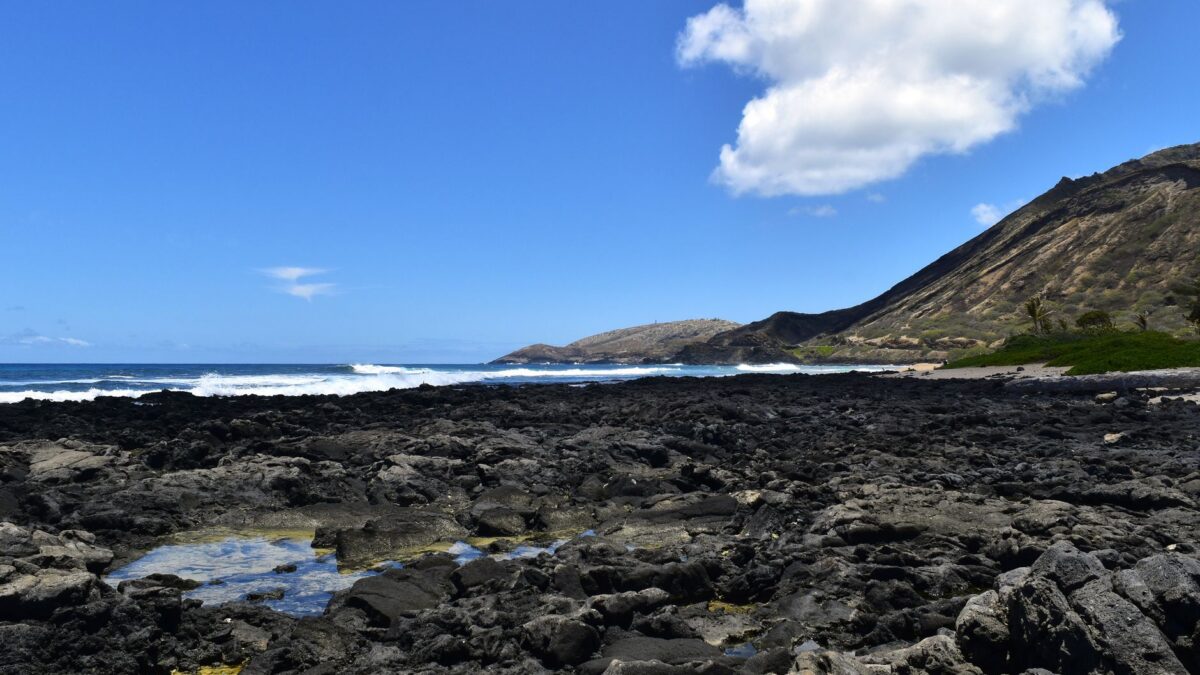
For a 7-day Hawaii trip, spend three days on Oahu and four on either Maui or the Big Island, linked by a flight of under an hour from Honolulu. Choose Maui for Haleakala sunrise, the Road to Hana and beaches; choose the Big Island for Hawaii Volcanoes National Park. Reserve the USS Arizona Memorial program and any Haleakala sunrise slot on Recreation.gov as soon as your dates are set.
Two islands is the limit for one week. Every island change costs about half a day for packing, airport time and a new rental car.
Should your second island be Maui or the Big Island?
Pick Maui for a mix of mountain, scenic drive and beach time with shorter drives. Pick the Big Island if seeing an active volcano matters most, and accept longer distances between sights.
| Factor | Oahu + Maui | Oahu + Big Island |
|---|---|---|
| Flight from Honolulu | to Kahului (OGG), about 40 minutes | to Hilo (ITO) or Kona (KOA), about 50 minutes |
| Signature sight | Haleakala summit at sunrise, Road to Hana | Kilauea and Hawaii Volcanoes National Park |
| Beaches | Many easy swimming beaches in Wailea and Kaanapali | Fewer sandy beaches; good snorkeling on the Kona side |
| Driving | Moderate; Road to Hana is a full day | Long; Hilo to Kona is 2.5–3 hours each way |
| Best for | First-timers, couples, beach time | Volcano and landscape fans |
Hawaiian Airlines, now part of Alaska Air Group, runs most inter-island flights; other carriers have cut back their inter-island flying, so book a few weeks ahead and compare times.
What should you do each day?
Day 1: Arrive in Honolulu
Settle into Waikiki, walk the beach path toward Kapiolani Park and watch sunset over the water. You do not need a car for the first two days. Base: Waikiki or Honolulu.
Day 2: Pearl Harbor and Diamond Head
Spend the morning at Pearl Harbor National Memorial; the USS Arizona Memorial program includes a short boat ride to the memorial. In the afternoon, hike Diamond Head, a steep trail of about 1.6 miles round trip with stairs and a tunnel, for views over Waikiki. Nonresidents need an advance reservation for Diamond Head. Base: Waikiki.
Day 3: East Oahu and the North Shore
Pick up a car. Snorkel at Hanauma Bay if you have a reservation, then drive the east shore past Makapuu Point to Kailua and the windward coast. Finish on the North Shore at Haleiwa, where winter brings big surf and summer brings calmer water. Base: Honolulu.
Day 4: Fly to Maui
Fly to Kahului and pick up a car. Spend the afternoon in Paia and at Hookipa, where green sea turtles often rest on the sand in the late afternoon. Base: Kihei, Wailea or Paia.
Day 5: Haleakala sunrise and Upcountry
Leave around 2:30 to 3 a.m. for the summit at 10,023 feet, using your sunrise reservation. It can be near freezing at dawn, so bring warm layers. Afterward, explore the Upcountry towns of Kula and Makawao, then rest at the beach. Base: same as Day 4.
Day 6: Road to Hana
Drive the Hana Highway, a narrow road with many hairpin turns and one-lane bridges. Stop at Waianapanapa State Park, which requires advance reservations for nonresidents, and continue to Haleakala’s Kipahulu District for the Pipiwai Trail. Swimming at the Pools of ʻOheʻo is not allowed. Return the way you came, since many rental contracts restrict the rougher road around the south side. Base: same as Day 4.
Day 7: Beach morning and departure
Spend the morning on a Wailea or Kaanapali beach, then fly home from Kahului. Lahaina, on Maui’s west side, is still rebuilding after the August 2023 wildfire; visit only open areas and follow local guidance.
Big Island option: Days 4–7
- Day 4: fly to Hilo, see Rainbow Falls and the bayfront, and stay in Hilo or Volcano village.
- Day 5: spend a full day in Hawaii Volcanoes National Park: Crater Rim Drive overlooks, the Nahuku lava tube and Chain of Craters Road down to the Holei Sea Arch. If Kilauea is erupting, return after dark to see the glow from a viewpoint.
- Day 6: drive the south route past Punaluu’s black sand beach to the Kona side, stopping at Puuhonua o Honaunau National Historical Park.
- Day 7: snorkel or take a morning boat trip from Kona, then fly home from Kona.
What needs a reservation, and when should you book?
Several of Hawaii’s most popular sights limit daily visitors. The table shows the rules as of November 2026; prices and windows can change, so confirm on each official site.
| Sight | Reservation rule | Cost |
|---|---|---|
| USS Arizona Memorial program | Recreation.gov; released daily at 3 p.m. Hawaii time, 8 weeks and 24 hours ahead | Free, plus a $1 fee per ticket |
| Haleakala sunrise (3–7 a.m.) | Recreation.gov, up to 60 days ahead, with a smaller release closer to the date | $1 per vehicle, plus the $30 park entrance fee |
| Diamond Head State Monument | Advance reservation required for nonresidents | Per-person and parking fees for nonresidents |
| Hanauma Bay Nature Preserve | Online reservation, released two days ahead; closed Mondays and Tuesdays | $25 per nonresident age 13 and older |
| Waianapanapa State Park | Advance reservation required for nonresidents | Entry and parking fees |
| Hawaii Volcanoes National Park | No entry reservation | $30 per vehicle |
The USS Arizona program has replaced walk-up tickets with a standby callback system that can mean waits of several hours, according to the park’s USS Arizona Memorial page. Haleakala also warns of long waits at the summit entrance before sunset, when cars can be turned away at capacity; details are on its alerts and conditions page. Neither Haleakala nor Hawaii Volcanoes charges the $100 nonresident fee that applies at 11 mainland parks. Our guide to getting Recreation.gov reservations explains release times and accounts.
How do you visit Hawaii respectfully and safely?
- Wildlife: NOAA advises staying at least 10 feet from sea turtles and 50 feet from Hawaiian monk seals; approaching humpback whales within 100 yards is illegal.
- Reefs: Hawaii bans the sale of sunscreens containing oxybenzone or octinoxate; use mineral sunscreen and do not stand on coral.
- Land: respect closed trails, private property and posted kapu (keep out) signs, and do not take lava rock or sand.
- Ocean: swim at lifeguarded beaches, check surf warnings, and never turn your back on the waves. Winter surf on north shores can be deadly.
- Volcano: stay out of closed areas, watch air quality, and do not handle volcanic glass strands. The park’s safety page explains volcanic gas and other hazards.
Kilauea’s summit eruption in 2025 and 2026 came in short lava-fountaining episodes inside the closed Halemaumau crater, often separated by pauses of several weeks; the 55th episode began on October 17, 2026, and the observatory was forecasting another for early November. Check the USGS Hawaiian Volcano Observatory before your park day. For more, see our Hawaii Volcanoes National Park guide.
When is the best time to visit Hawaii?
April to early June and September to early November offer good weather, lower prices and fewer crowds than the winter holidays and midsummer. Hawaii is warm all year; the bigger differences are surf, rain and price.
| Months | What to expect |
|---|---|
| December–March | Peak prices around holidays; big surf on north shores; humpback whale season; more rain |
| April–early June | Drier, calmer seas, better deals |
| Mid-June–August | Busy family season; calm north shore water |
| September–early November | Warm water, fewer visitors, good prices; hurricane season runs June–November |
How much does a 7-day two-island trip cost?
For two people sharing a room, with a car for five days and one inter-island flight, plan on roughly $3,200–$4,000 on a budget, $5,300–$6,500 mid-range and $9,500 or more for comfort, excluding flights to Hawaii. These are planning estimates as of November 2026. Room rates do not include Hawaii’s lodging and excise taxes, and many hotels add resort and parking fees.
| Item | Budget | Mid-range | Comfort |
|---|---|---|---|
| Lodging per night | $180–$280 (older hotels, condos) | $300–$500 | $550–$1,000 (resorts) |
| Car per day | $60–$100 | $80–$120 | $110–$180 |
| Inter-island flight for two | $150–$300 | $250–$450 | $400–$700 |
| Food per person per day | $60–$80 | $100–$140 | $180 or more |
| Activities and fees for two | $100–$200 | $400–$700 (snorkel cruise, guided tour) | $1,000 or more (helicopter tour) |
| Rough total for two | $3,200–$4,000 | $5,300–$6,500 | $9,500 or more |
For a fuller breakdown by island, including flights from the mainland, see how much a trip to Hawaii costs.
What if you have less or more time?
- 5 days: stay on one island. Maui alone works well; Oahu alone suits travelers who prefer no long drives.
- 10 days: add a third island (Kauai for the Na Pali Coast and Waimea Canyon) or give each island an extra day for beach time and weather backups.
Bottom line
Seven days fits two islands: Oahu for history and city life, then Maui for Haleakala and the Road to Hana or the Big Island for the volcano. Book the USS Arizona program 8 weeks ahead and the Haleakala sunrise up to 60 days ahead, reserve Diamond Head, Hanauma Bay and Waianapanapa if you want them, and follow local rules on wildlife, reefs and closed areas.
FAQ
Is 7 days enough for two Hawaiian islands?
Yes. Three days on Oahu and four on Maui or the Big Island is a comfortable pace. Three islands in a week means too much time in airports.
Do you need a reservation for Haleakala sunrise?
Yes. A $1 sunrise reservation per vehicle from Recreation.gov is required to enter the summit district between 3 and 7 a.m., on top of the $30 entrance fee.
Can you visit Pearl Harbor without a reservation?
The museums and grounds are free to enter, but the USS Arizona Memorial program needs a timed reservation. Without one, you can join a standby callback list with no guaranteed time.
Do you need a car in Hawaii?
Not in Waikiki, but you need one to see most of Oahu, Maui and the Big Island. Book it early, especially for Maui.