Arizona Winter Road Trip in 7 Days: Phoenix to the Grand Canyon
An Arizona winter road trip in 7 days runs Phoenix, Tucson, Saguaro, Sedona and the Grand Canyon, with drive times, snow tips and a day-by-day plan.
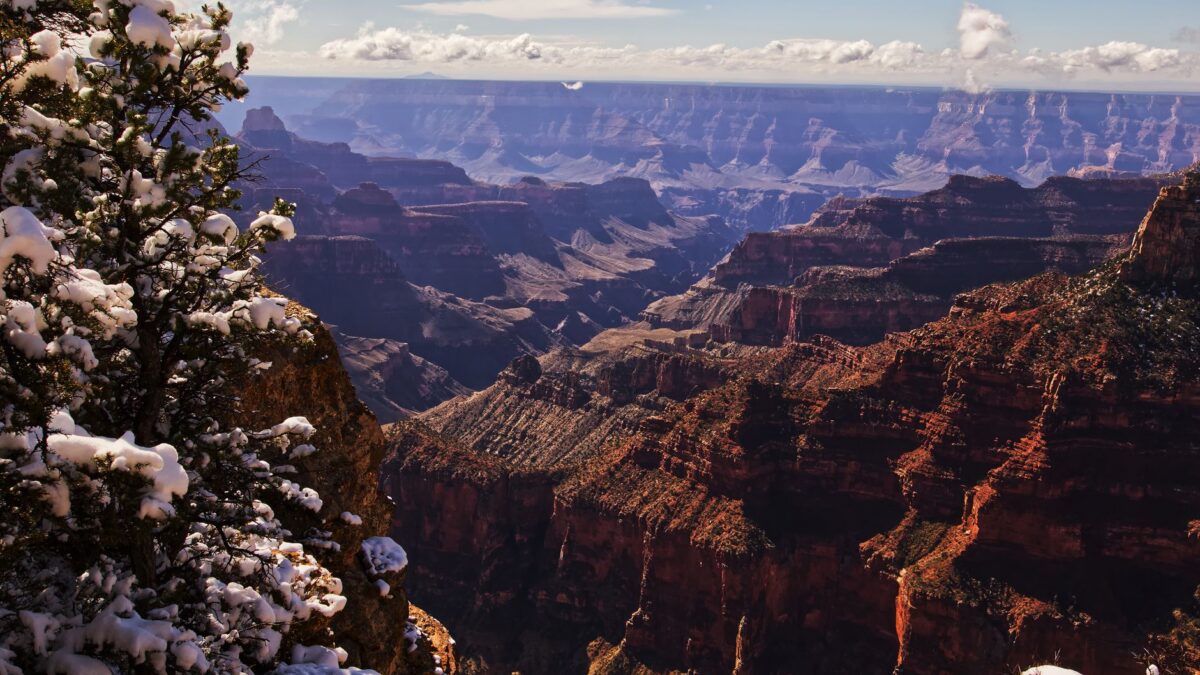
A 7-day Arizona winter road trip works as a one-way loop that starts in Phoenix, drops south to Tucson and Saguaro National Park, climbs north to Sedona and ends at the Grand Canyon South Rim, with a final drive back to Phoenix. Winter is the comfortable season in the low desert, where days are mild and hiking is pleasant, while the South Rim sits at roughly 7,000 feet (2,100 m) and often has snow and ice. Plan the desert days first and the high-elevation days last, and carry layers for both.
What does a 7-day Arizona winter itinerary look like?
The route below keeps every driving day to about four hours or less and puts the coldest, most weather-sensitive stop at the end.
- Day 1: Arrive in Phoenix. Walk a desert preserve trail or visit a botanical garden in the afternoon, then eat dinner downtown or in Old Town Scottsdale.
- Day 2: Drive Phoenix to Tucson (about 115 miles, or 185 km, roughly two hours without stops). Spend the afternoon in the downtown and university area.
- Day 3: Saguaro National Park, both districts.
- Day 4: Drive Tucson to Sedona (about four hours). Arrive in time for sunset among the red rocks.
- Day 5: A full day in Sedona for trails, scenic drives and Oak Creek Canyon.
- Day 6: Drive Sedona to the Grand Canyon South Rim through Flagstaff (about two to three hours). Watch the canyon at sunset.
- Day 7: Sunrise at the rim, a short rim walk, then the drive back to Phoenix (roughly three to four hours).
How do you visit Saguaro National Park in one day?
Saguaro National Park is split into two districts on opposite sides of Tucson, and one day is enough to see both. The Tucson Mountain District on the west side has the denser saguaro stands and good sunset views. The Rincon Mountain District on the east side has a loop drive and trails that climb into higher, cooler terrain.
Start in the east district in the morning, when the light is soft, then cross town for the west district in the afternoon. Bring water even in winter, wear sturdy shoes, and keep a safe distance from cacti, whose spines can break off and lodge in skin. Check the National Park Service page for Saguaro National Park for current hours, road status and fees before you go.
Is Sedona worth two nights in winter?
Sedona is worth two nights because it needs a full day on the ground. The town sits at about 4,300 feet (1,300 m), so winter days are usually cool and clear, and snow that does fall tends to melt within a day or two. Trails are quieter than in spring and fall, though weekends and holidays still fill the parking areas at popular trailheads.
Use the first morning for a walk among the red rocks and the rest of the day for a scenic drive. Oak Creek Canyon, north of town on the road to Flagstaff, is a pleasant half-day option. Dirt tracks can turn to mud after rain or snowmelt, so stay on paved roads unless you know the conditions.
How bad is snow at the Grand Canyon in winter?
Snow at the Grand Canyon South Rim is common from late fall through early spring, and it can close trails, slow roads and make the rim edge slippery. The rim stays open all year, and the views after a snowfall are among the best of the season, but conditions change quickly.
- Pack traction devices that slip over your boots. Icy sections on rim and canyon trails are common in winter.
- Skip the steep inner canyon trails if the upper sections are icy. Ice near the top and mud lower down are a poor combination.
- Expect the North Rim to be closed to most visitors in winter. Plan on the South Rim only.
- Carry extra water, snacks and a warm layer in the car in case a closure or crash stops traffic.
- Keep the fuel tank at least half full on the drive between Sedona, Flagstaff and the park.
The National Park Service page for Grand Canyon National Park lists current road, shuttle and trail conditions. The state transportation agency runs a live road conditions site at Arizona 511, which is the place to check Interstate 17 and the highways near Flagstaff before you leave Sedona.
Do you need a 4WD or chains?
Most travelers do not need 4WD for this route, because the main highways are paved and plowed, but all-season tires and a full tank are sensible. Phoenix, Tucson and Sedona rarely need any winter equipment. The risk is concentrated around Flagstaff and the South Rim, where a storm can bring packed snow and ice for a day or more. If a forecast shows heavy snow, delay the Sedona to Grand Canyon leg by a few hours or a day rather than driving into it. The site’s guide to AWD, 4WD and chains on snowy winter roads explains how to judge traction needs in a similar high-elevation setting.
How much driving and what will it cost?
The driving adds up to roughly 11 to 13 hours across the week, plus short drives around each town. Fuel is the largest variable you control, and the road trip gas cost calculator estimates it from your vehicle and mileage. Lodging near the South Rim and in Sedona costs more than in Phoenix or Tucson and fills up on holiday weeks, so book those nights first. For a longer loop that adds New Mexico, see the 10-day Southwest road trip through Sedona, the Grand Canyon and White Sands.
Quick answers
What is the best month for this trip?
Late winter often balances warm desert days with a lower chance of heavy storms at the South Rim, but any month from December to February works if you stay flexible with the last two days.
Can you reverse the route?
Yes. Starting at the Grand Canyon and finishing in Phoenix puts the snow risk on day one, which is useful if you want to check the weather early and adjust the remaining days.
What should you pack?
Bring layers for 30 to 40 degree swings between desert afternoons and canyon mornings, a warm hat and gloves, sunscreen, sunglasses, sturdy shoes with traction devices for the rim, and plenty of water.
Is a week enough?
Seven days covers the main stops at an easy pace, but adding a night at the Grand Canyon or in Sedona gives more margin if weather delays a drive.