Great Smoky Mountains Guide: Parking Tags, Cades Cove, Best Months
No entrance fee, but you will need a parking tag. Where to go first, when Cades Cove is car-free, how the firefly lottery works and which months beat the crowds.
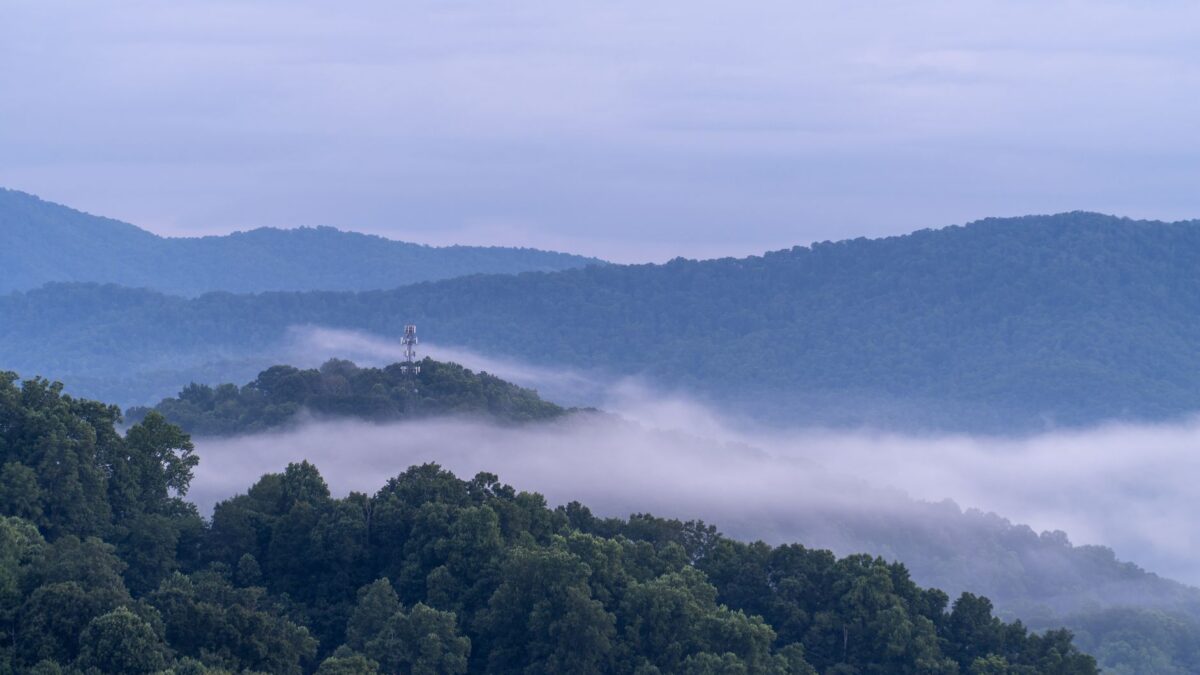
Great Smoky Mountains National Park, on the Tennessee–North Carolina line, charges no entrance fee, but any vehicle parked for more than 15 minutes must display a parking tag: $5 for a day, $15 for a week or $40 for a year as of November 2026. The best months are April–May for wildflowers and mid-October to early November for fall color. Most first-time visitors need 2–4 days.
The Smokies were the most visited national park in the country in 2025, with about 11.5 million recreation visits by the National Park Service count. That number shapes everything below: when to drive Cades Cove, where to sleep and why the firefly event runs on a lottery.
How does the Smokies parking tag work?
The parking tag replaces an entrance fee. You can drive through the park on US-441 without one, but you need a tag as soon as you park for longer than 15 minutes at a trailhead, overlook or visitor center.
| Tag | Price (as of Nov 2026) | Valid for |
|---|---|---|
| Daily | $5 | Until 11:59 p.m. Eastern on the date printed |
| Weekly | $15 | 7 days, ending 11:59 p.m. on the printed date |
| Annual | $40 | 12 months from the month of purchase |
- Where to buy: online before your trip (print the daily or weekly tag), at park visitor centers, at self-serve kiosks and at many partner stores in gateway towns.
- Passes: the America the Beautiful pass does not replace the parking tag.
- One tag per vehicle: the tag belongs to the vehicle, not to each person.
Rules can change, so confirm prices on the park’s official parking tag page before you go. For how the Smokies compare with fee parks, see our national park entrance fees table.
Which areas of the Smokies should you see first?
The park covers more than 800 square miles, so pick areas by where you sleep. The table below covers the stops most visitors put on a first trip.
| Area | State | What you get | Time to allow |
|---|---|---|---|
| Cades Cove | TN | Open valley, historic cabins and churches, deer, turkeys, often black bears | 2–4 hours |
| Newfound Gap Road (US-441) | TN/NC | The main 33-mile road over the crest between Gatlinburg and Cherokee, with overlooks | 1.5–3 hours with stops |
| Kuwohi (formerly Clingmans Dome) | NC/TN line | Highest point in the park at 6,643 feet; steep paved half-mile walk to an observation tower | 1.5–2 hours from Newfound Gap |
| Roaring Fork Motor Nature Trail | TN | Narrow one-way road near Gatlinburg past old homesites and streams; closed in winter | 1–2 hours |
| Elkmont | TN | Former resort cabins, river trails, the synchronous firefly area | 1–2 hours |
| Oconaluftee | NC | Visitor center, Mountain Farm Museum, elk in the fields at dawn and dusk | 1–2 hours |
| Cataloochee | NC | Remote valley with elk and historic buildings, reached by a winding gravel road | Half a day |
| Deep Creek | NC | Short loops to several waterfalls near Bryson City | 2–3 hours |
Kuwohi Road usually opens April 1 and closes at the end of November; the park’s 2026 schedule lists it open through November 29. The mountain and tower stay open in winter, but only on foot.
When is Cades Cove Loop Road open to cars?
Cades Cove Loop Road is an 11-mile one-way loop open to vehicles from sunrise to sunset every day, except on vehicle-free Wednesdays. In 2026, the park closed the loop to motor vehicles every Wednesday from May 6 through September 30 so walkers and cyclists could use it.
- Arrive early or late. The loop backs up at midday, especially when a bear is near the road. Late afternoon also brings good wildlife viewing.
- Allow 2–4 hours. The speed is slow, and there are few places to turn off the loop before the end.
- Use pullouts. Stopping in the lane to watch animals is the main cause of jams.
- Add a hike. Abrams Falls, off the loop, is a popular moderate trail to a waterfall.
- On Wednesdays, bikes, including Class 1 and Class 2 e-bikes, are allowed; scooters and skateboards are not. Parking at the start fills fast, and the park suggests arriving later in the day.
Check the park’s Cades Cove vehicle-free days page for next year’s dates, which are announced each spring.
How does the synchronous fireflies lottery work?
Each late spring, one firefly species in the Smokies flashes in unison for about two weeks, and the park manages viewing at Elkmont through a lottery on Recreation.gov. The 2026 event ran May 20–27, and the lottery opened on April 24.
- How to enter: apply during the short spring window, pick a preferred night and an alternate within the 8-night period.
- Cost: a $1 application fee for everyone; winners are charged an additional $29 (2026 figures).
- What you win: a vehicle reservation for one specific night. Elkmont closes at night to everyone else, except registered campers there.
- Odds: passes number in the hundreds, while applications number in the tens of thousands, so most people do not win.
Viewing rules: cover flashlights with red film and point them down, turn lights off once you reach your spot, stay on trails and do not catch the insects. Flashing usually starts around 9:30 p.m.
What is the best month to visit the Great Smoky Mountains?
April–May and mid-October to early November are the best months for most visitors. Summer brings the biggest crowds and heat with humidity in the valleys, while winter is quiet but closes some high roads.
| Season | What to expect | Crowds | Watch for |
|---|---|---|---|
| Spring (Mar–May) | Wildflowers, waterfalls at full flow, fireflies in late May | Moderate; busy at spring break | Cold nights at high elevation |
| Summer (Jun–Aug) | Long days, green forest, river wading | Highest | Afternoon thunderstorms, traffic in Cades Cove |
| Fall (Sep–Nov) | Color starts at high elevations in early October and reaches lower slopes from mid-October into early November | Very high on October weekends | Full lodging in gateway towns |
| Winter (Dec–Feb) | Bare trees and long views, fewest people | Lowest | Kuwohi Road closed; Newfound Gap Road can close for snow or ice |
Mountaintops are often 10–20°F cooler than Gatlinburg or Cherokee, so pack a layer in any season.
Where should you stay: Gatlinburg, Townsend or the North Carolina side?
Stay in Gatlinburg for the most services and quick access to Newfound Gap Road, in Townsend for a quieter base near Cades Cove, and in Cherokee or Bryson City to explore the North Carolina side.
| Base | Nearest park area | Best for |
|---|---|---|
| Gatlinburg, TN | Sugarlands, Newfound Gap Road, Roaring Fork | First-timers who want restaurants and walkable streets |
| Pigeon Forge, TN | Gatlinburg entrance, a short drive further | Families mixing the park with attractions |
| Townsend, TN | Cades Cove, Tremont, Elkmont | Quieter evenings and early Cades Cove starts |
| Cherokee, NC | Oconaluftee, southern end of Newfound Gap Road | Elk viewing and the Blue Ridge Parkway |
| Bryson City, NC | Deep Creek | Waterfall walks and a small-town feel |
For a ready-made plan, see our 3-day Great Smoky Mountains itinerary, and if you are choosing between the two big Tennessee towns, read Gatlinburg vs Pigeon Forge.
How do you stay safe around bears and on trails?
Black bears live throughout the Smokies, and park rules make it illegal to willfully approach within 50 yards (150 feet) of bears or elk. Never feed wildlife, store food in your vehicle or bear-proof containers, and use pullouts rather than stopping in the road.
- Water: rocks along streams and at the top of waterfalls are slippery, and falls and drownings there have caused serious injuries and deaths, so stay off the rocks around falls and out of fast water.
- Weather: carry rain gear; storms build quickly on summer afternoons.
- Roads: check the park’s alerts before a winter drive and after big storms, which can close roads and trails without much notice.
The park keeps current advice on its safety page.
Bottom line
Buy a parking tag before you park, plan around crowds rather than fees, and visit in April–May or late October if your dates are flexible. Base yourself in Gatlinburg for convenience or Townsend for Cades Cove, drive the loop early, and enter the firefly lottery in late April if you want to see Elkmont in May or June.
FAQ
Do you need a reservation to enter Great Smoky Mountains National Park?
No. The park has no entrance fee and no timed-entry reservation as of November 2026. You only need a parking tag if you park for more than 15 minutes, plus separate reservations for campsites and the firefly event.
How many days do you need in the Smokies?
Two days cover Cades Cove and Newfound Gap Road with Kuwohi. Three or four days let you add the North Carolina side, a longer hike and a slower Cades Cove morning.
Can you drive Cades Cove on a Wednesday?
Not from early May through late September. In 2026 the loop was closed to motor vehicles every Wednesday from May 6 to September 30; the rest of the year it is open to cars daily from sunrise to sunset.
Is Kuwohi open in winter?
The road to Kuwohi closes from about December 1 to March 31, but the summit and tower stay open. Winter access is a long hike and is best left to experienced, well-equipped hikers.