Alaska Itinerary for 10 Days: Anchorage, Seward, Denali and Fairbanks
The classic Southcentral and Interior Alaska loop, planned day by day: where to sleep, how long each drive takes, what sells out first and what the trip costs at three budget levels.
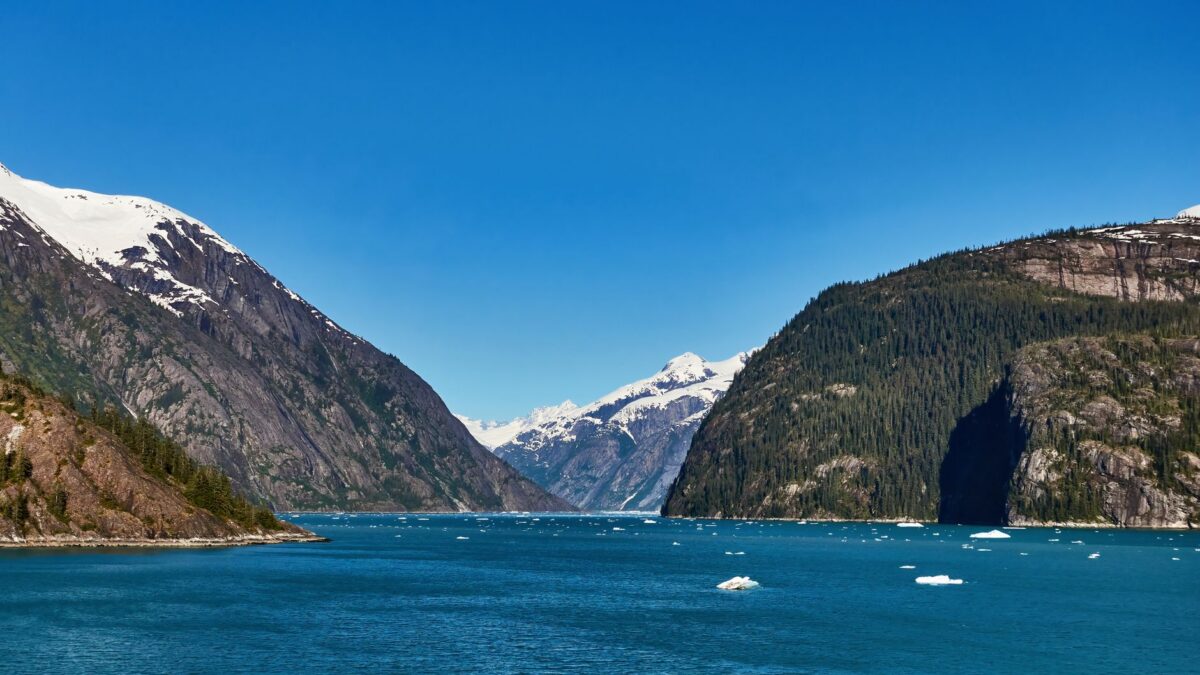
A 10-day Alaska itinerary covers the classic summer route: Anchorage, Seward and Kenai Fjords National Park, Talkeetna, Denali National Park and Fairbanks. Go between June and August, plan about 640 miles of driving or use the Alaska Railroad for most legs, and book the Kenai Fjords boat tour, Denali bus seats and lodging months ahead.
This plan suits first-time visitors who want glaciers, wildlife and big mountain views without flying to remote lodges. It assumes a rental car, with notes on where the train works instead.
What does the 10-day Alaska route look like?
The route runs south from Anchorage to the coast at Seward, then north through Talkeetna to Denali and on to Fairbanks. Two nights go to Seward, two to Talkeetna, three to the Denali entrance area and one to Fairbanks, with the first night in Anchorage.
| Leg | Distance | Drive time (no stops) | Train option |
|---|---|---|---|
| Anchorage to Seward | about 127 miles | 2.5–3 hours | Coastal Classic, about 4.5 hours |
| Seward to Talkeetna | about 240 miles | 4.5–5 hours | Possible only with a change in Anchorage |
| Talkeetna to Denali entrance | about 150 miles | 2.5–3 hours | Denali Star |
| Denali entrance to Fairbanks | about 120 miles | 2–2.5 hours | Denali Star |
| Fairbanks to Anchorage (if returning) | about 360 miles | 6–7 hours | Denali Star, a full day |
Drive times are for summer with dry roads. Road construction is common in summer, and the Seward Highway has few passing zones, so add time for stops and delays.
What should you do each day?
Day 1: Anchorage
Arrive, pick up the car and shop for snacks and rain gear. Walk part of the Tony Knowles Coastal Trail for views across Cook Inlet, then spend the afternoon at the Anchorage Museum or the Alaska Native Heritage Center. Base: Anchorage.
Day 2: Seward Highway to Seward (127 miles)
The Seward Highway follows Turnagain Arm and crosses the Chugach National Forest. Plan a full day: stop at Beluga Point, Girdwood and Portage Valley, where the Begich, Boggs Visitor Center looks out on Portage Lake. In the afternoon, walk the short trails at Exit Glacier, the only part of Kenai Fjords National Park reachable by road. Base: Seward.
Day 3: Kenai Fjords boat tour
Kenai Fjords is mostly ice and ocean, so a boat is the way to see it. Commercial cruises leave Seward’s harbor. Shorter trips stay largely in Resurrection Bay, while full-day trips reach tidewater glaciers inside the park and give better odds for whales, sea otters, puffins and Steller sea lions. Take seasickness precautions if you need them. Base: Seward.
Day 4: Seward to Talkeetna (about 240 miles)
Drive back through Anchorage and north on the Parks Highway. Break the trip in Anchorage or Wasilla for lunch. Talkeetna is a small river town at the junction of three rivers, with a walkable main street. Base: Talkeetna.
Day 5: Talkeetna and Denali flightseeing
Talkeetna is the main base for flightseeing over Denali, North America’s highest peak at 20,310 feet. Private air services offer flights, some with glacier landings, but all depend on weather. Book a flight for this morning and keep the afternoon free so you can rebook if clouds cover the mountain. Base: Talkeetna.
Day 6: Talkeetna to Denali National Park (about 150 miles)
Drive north on the Parks Highway, stopping at the viewpoints in Denali State Park on a clear day. Once at the park, visit the Denali Visitor Center and the park’s sled dog kennels, then drive the first 15 miles of the park road to Savage River, the limit for private vehicles in summer. Base: the park entrance area or Healy.
Day 7: Denali bus trip
Beyond Savage River, the 92-mile park road is served by buses: transit buses that let you get off to hike, and narrated tour buses. A trip deep into the park takes most of the day, so bring food, water and layers. Wildlife you may see includes grizzly bears, caribou, Dall sheep and moose. Base: Denali entrance area.
Day 8: Hiking near the entrance
Spend a slower day on trails near the entrance, such as the Horseshoe Lake Trail or the Mount Healy Overlook Trail, or try a rafting trip on the Nenana River with a local outfitter. Base: Denali entrance area.
Day 9: Denali to Fairbanks (about 120 miles)
Drive to Fairbanks in about two and a half hours. Visit the University of Alaska Museum of the North and walk along the Chena River. In summer, the sun barely sets this far north. Base: Fairbanks.
Day 10: Fly home or return to Anchorage
Fly out of Fairbanks, which saves a long drive, or return the car in Anchorage after a 6–7 hour drive. Check the one-way drop fee before you book a car.
What do you need to know about Denali and Kenai Fjords?
Denali park road as of November 2026
The new Pretty Rocks bridge at about mile 45 was completed in September 2026, ending a closure that began with a landslide in 2021. Buses ran only to East Fork (mile 43) for the rest of the 2026 season. The park says full bus service along the length of the road is planned to resume in 2027, and bus and campground reservations for summer 2027 open on December 1, 2026. Reports say Eielson Visitor Center will stay closed in 2027, so check the park’s current conditions page before you plan a long bus day.
Denali charges a $15 entrance fee per person age 16 and older, valid for 7 days, as of November 2026. The fee is included in bus ticket prices, and Denali is not one of the parks with the $100 nonresident surcharge.
Wildlife and weather safety
Alaska’s parks are bear country. Make noise on trails, carry bear spray where allowed, store food properly and keep your distance; in Denali, the rule is at least 300 yards from bears and 25 yards from other wildlife. Read the National Park Service’s bear safety guidance before you go. Weather changes fast, so pack waterproof layers even in July. At Exit Glacier, stay on marked trails: the canyon below the glacier is closed because of the risk of sudden outburst floods, as noted on the Kenai Fjords conditions page.
Should you drive or take the Alaska Railroad, and what should you book first?
A rental car is cheaper for two or more people and gives you freedom to stop at viewpoints and trailheads. The Alaska Railroad’s summer trains are slower but scenic, and they remove the stress of long drives. A common mix is to drive the Seward loop and take the Denali Star north from Talkeetna or Anchorage to Denali and Fairbanks.
- Car: best for flexibility. Many rental contracts restrict gravel roads such as the Denali Highway, so read yours. See our guide to renting a car for a road trip for drop fees and insurance.
- Train: runs in summer only. The Coastal Classic links Anchorage and Seward, and the Denali Star links Anchorage, Talkeetna, Denali and Fairbanks.
- Bus shuttles: private shuttles connect Anchorage, Talkeetna and Denali and can fill gaps.
What to book ahead, and how far
- Lodging near Denali and in Seward: as soon as your dates are set. Both areas have limited rooms in July.
- Denali bus seats: reservations for 2027 open December 1, 2026. Popular dates fill early.
- Kenai Fjords cruise: two to four months ahead for July, earlier for the full-day glacier routes.
- Rental car: early, because Anchorage’s summer fleet sells out.
- Alaska Railroad seats: early for peak summer dates.
- Flightseeing: a few weeks ahead, with a flexible backup day.
When is the best time to do this trip?
June through August is the best time, because every service on the route runs and days are longest. The Denali bus season runs from about mid-May to mid-September.
| Period | What to expect |
|---|---|
| Mid–late May | Fewer crowds and lower prices; some services and trails still opening; snow on higher trails |
| June | Longest days, about 19 hours of daylight in Anchorage and nearly 22 in Fairbanks near the solstice |
| July | Warmest weather and peak crowds; book everything early |
| August | Rain becomes more frequent on the coast; first dark nights return in Fairbanks |
| Early–mid September | Fall color on the tundra and a chance of auroras; services start closing |
Midsummer nights are too bright for the northern lights. If auroras matter, go in late August or September and read our guide to the best places to see the northern lights in the US.
How much does a 10-day Alaska trip cost?
For two people sharing a room and a rental car, expect roughly $4,500–$6,000 on a budget, $7,500–$10,000 mid-range and $12,000 or more for comfort, excluding flights to Alaska. These are planning estimates as of November 2026; summer prices in Alaska change quickly.
| Item | Budget | Mid-range | Comfort |
|---|---|---|---|
| Lodging per night | $150–$220 (motels, cabins, hostel private rooms) | $250–$400 (hotels, lodges) | $400–$700 (wilderness-style lodges, top hotels) |
| Car per day | $90–$150 | $120–$200 | $150–$250 (SUV) |
| Food per person per day | $50–$70 | $80–$120 | $130 or more |
| Tours per person | $250–$400 (shorter cruise, transit bus) | $500–$800 (full-day cruise, narrated bus) | $1,000 or more (adds flightseeing with glacier landing) |
| Rough total for two | $4,500–$6,000 | $7,500–$10,000 | $12,000 or more |
What if you have less or more time?
- 7 days: skip Talkeetna and Fairbanks. Do Anchorage, two nights in Seward and three nights at Denali, then return to Anchorage.
- 12–14 days: add Whittier and Prince William Sound, Homer on the Kenai Peninsula, or two to three days in Juneau for the Tongass and the Inside Passage.
Where do Chugach and Tongass national forests fit in?
You will drive through the Chugach National Forest on day 2: Turnagain Arm, Portage Valley and the mountains around Seward are part of it. With an extra day, take the one-lane tunnel to Whittier for a Prince William Sound glacier cruise.
The Tongass National Forest, the largest national forest in the United States, covers most of Southeast Alaska and the Inside Passage. It is not on this road route. To add it, fly to Juneau for two or three days to see Mendenhall Glacier, or take a cruise or an Alaska Marine Highway ferry through the Inside Passage before or after this trip.
For more on bus types, hikes and campgrounds, see our Denali National Park guide.
Bottom line
Ten days in summer is enough for Alaska’s best road-accessible sights: glaciers and marine wildlife from Seward, Denali views from Talkeetna and a full bus day in Denali. Lock in lodging, the Kenai Fjords cruise and Denali bus seats first, keep one flexible day for weather, and finish in Fairbanks to avoid a long return drive.
FAQ
Is 10 days enough for Alaska?
Ten days is enough for the Anchorage, Seward, Denali and Fairbanks loop at a comfortable pace. It is not enough to add Southeast Alaska as well, which needs another three to five days.
Can you drive your own car into Denali National Park?
In summer, private vehicles can drive only the first 15 miles of the park road, to Savage River. Beyond that, you need a park bus.
Do you need a car in Alaska?
Not strictly. The Alaska Railroad, private shuttles and tours cover this route in summer, but a car is usually cheaper for two or more people and makes trailheads easier to reach.
Can you see the northern lights on this itinerary?
Not in June or July, when nights are too bright. Late August and September give a real chance in Fairbanks and Denali on clear nights.