10 Best National Parks for Families With Kids, by Age
Some national parks are far easier with kids than others. These ten combine short trails, stroller-friendly viewpoints, good lodging and Junior Ranger programs, with notes on which ages each one suits and what to watch out for.
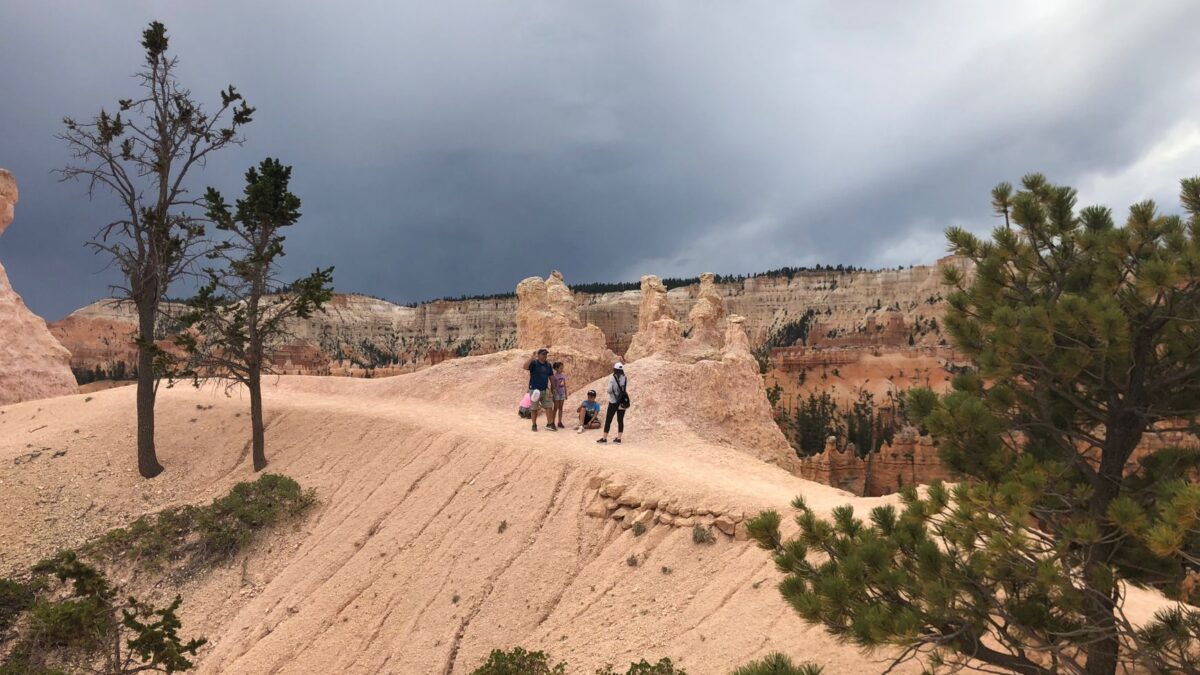
The best national parks for families are Great Smoky Mountains, Yellowstone, Grand Canyon (South Rim), Acadia, Rocky Mountain, Arches, White Sands, Mammoth Cave, Sequoia and Olympic. Each offers short trails under 3 miles, big sights close to parking, family lodging nearby and a free Junior Ranger program, so even kids under 10 can enjoy a full day.
The list below comes from comparing trail lengths, road access, lodging and safety information published by each park. Fees and rules are as of November 2026; several parks changed their reservation systems in 2026, so check each park’s website before you go.
Which national parks are best for kids of each age?
The table matches each park to the ages it suits best and lists the easiest highlights and the main safety concern for families.
| Park (state) | Best ages | Easy highlights for kids | Watch out for |
|---|---|---|---|
| Great Smoky Mountains (TN, NC) | All ages | Cades Cove loop road, Kuwohi (formerly Clingmans Dome) tower walk, short streamside trails | Slippery rocks and fast water in streams |
| Yellowstone (WY, MT, ID) | 5 and up; toddlers in carriers | Old Faithful eruptions, boardwalk geyser basins, bison in Hayden Valley | Scalding thermal water, wildlife distances |
| Grand Canyon South Rim (AZ) | All ages on the rim | Paved Rim Trail, free shuttles, Desert View Watchtower | Unfenced edges, summer heat below the rim |
| Acadia (ME) | All ages | Sand Beach, Jordan Pond Path, tide pools, carriage road bike rides | Cold ocean water, cliffs on some trails |
| Rocky Mountain (CO) | 4 and up | Bear Lake and Sprague Lake loops, elk in meadows, Trail Ridge Road | Altitude above 12,000 ft, afternoon lightning |
| Arches (UT) | 4 and up | Windows, Double Arch, Sand Dune Arch, Balanced Rock | Heat, no shade, drop-offs on slickrock |
| White Sands (NM) | 3 and up | Sledding on gypsum dunes, Interdune Boardwalk | Heat and getting lost in the dunes |
| Mammoth Cave (KY) | 6 and up for most tours | Short guided cave tours, surface trails | Stairs, low passages, tour age rules |
| Sequoia (CA) | All ages | General Sherman Tree, Big Trees Trail, Moro Rock steps for older kids | Winding mountain road, winter chains |
| Olympic (WA) | All ages | Hoh Rain Forest loops, tide pools, beach driftwood | Tides and rogue waves on beaches |
What makes each park work for families?
Great Smoky Mountains has no entrance fee, though since 2023 any vehicle parked longer than 15 minutes needs a parking tag ($5 daily, $15 weekly or $40 annual as of November 2026). The 11-mile one-way Cades Cove loop is good for spotting deer and turkeys from the car. Our 3-day Great Smoky Mountains itinerary covers bases in Gatlinburg and Townsend.
Yellowstone turns geology into a show: Old Faithful erupts on a schedule posted at the visitor center, and boardwalks let kids see bubbling mud and colorful pools up close. Hold hands with young children on every boardwalk.
Grand Canyon South Rim works because the views are right at the parking lots and the Rim Trail is paved for long stretches. Free shuttles mean kids can hop off when they get tired.
Acadia combines a sand beach, tide pools, easy lakeside paths and car-free carriage roads that suit bikes and strollers. The free Island Explorer bus runs through the park in summer and early fall, and the drive up Cadillac Mountain needed a $6 vehicle reservation from May 20 to October 25 in 2026.
Rocky Mountain offers flat lake loops at Bear Lake and Sprague Lake and frequent elk sightings. Its timed-entry system ran from May 22 to mid-October in 2026, so families must book ahead; see our guide to national park reservations.
Arches packs famous arches into short walks, and kids enjoy scrambling in the sand at Sand Dune Arch. Go early or late in summer, when midday heat is intense. Arches did not require timed entry in 2026.
White Sands may be the most fun park for young kids: they can sled down white gypsum dunes on waxed plastic saucers sold or rented at the park gift shop. The park says children ages 5 to 9 are the most likely to be injured, so adults should supervise and choose gentle slopes with a flat run-out.
Mammoth Cave runs guided tours of different lengths through the world’s longest known cave system, and some tours have age or ability requirements. Cave air stays cool all year, so bring a light jacket even in July.
Sequoia lets kids stand next to the General Sherman Tree, the largest tree on Earth by volume. Older kids can climb the stairway to the top of Moro Rock.
Olympic offers three trips in one: rain forest walks in the Hoh, tide pools on the coast and mountain views at Hurricane Ridge. Check tide tables before beach walks.
How does the Junior Ranger program work?
The Junior Ranger program lets kids earn a badge by completing an activity booklet during a park visit. Booklets are free or low-cost at most visitor centers, take about 1 to 2 hours, and usually end with a ranger reviewing the answers and swearing the child in. The National Park Service says many programs target ages 5 to 14 but are open to everyone. Kids who collect badges can also tick off each park on a printable national parks checklist.
Some parks also offer themed booklets, such as night skies or cave science, and the NPS publishes downloadable national booklets on its Junior Ranger page that kids can start before the trip.
How can families save on national park fees?
U.S. fourth graders and their families can get a free annual America the Beautiful pass through the Every Kid Outdoors program, valid for that school year and the following summer. Other families can buy the $80 annual pass, which covers a vehicle and all passengers at every national park; our America the Beautiful pass guide shows when it pays off.
Children 15 and under enter free at fee parks when paying per person. Since January 1, 2026, visitors who are not U.S. residents pay an extra $100 per person aged 16 and older at eleven busy parks, including Yellowstone, Grand Canyon, Acadia, Rocky Mountain and Sequoia, unless they hold the $250 nonresident annual pass.
How do you keep kids safe in national parks?
Drowning, falls and heat illness are among the most common causes of serious accidents in national parks, and wildlife encounters add risk in some parks, so set clear rules before you leave the car:
- Stay on trails and boardwalks. In Yellowstone, thermal water can cause severe burns, and boardwalks are the only safe ground.
- Keep back from wildlife. Yellowstone requires at least 100 yards from bears and wolves and 25 yards from bison, elk and other animals; the Yellowstone safety page explains why.
- Hold hands near edges. Many canyon viewpoints have no railings.
- Carry more water than you think. Desert parks such as Arches and White Sands get very hot in summer.
- Watch altitude. Kids can get headaches or nausea above 8,000 feet; go back down if symptoms appear.
- Respect rivers and the ocean. Cold, fast water is a leading danger in mountain and coastal parks.
Bottom line
For young children, start with Great Smoky Mountains, Acadia, White Sands or the Grand Canyon South Rim, where the best sights are short and close to the car. Older kids are ready for Yellowstone’s geyser basins, Arches’ slickrock and Mammoth Cave’s longer tours. Pick up a Junior Ranger booklet at the first visitor center and plan hikes for the morning.
FAQ
What is the best national park for toddlers?
Great Smoky Mountains and Acadia are easiest for toddlers, thanks to flat paths, short walks, beaches or streams and plenty of nearby lodging and food. Bring a carrier, because not every trail suits a stroller.
Are national parks free for kids?
Entrance fees are usually charged per vehicle, so kids ride along at no extra cost. When paying per person, children 15 and under enter free.
How old do kids need to be for the Junior Ranger program?
There is no strict age limit. Many booklets are written for ages 5 to 14, with fewer pages required for younger children, and adults can take part too.
Which national parks are best for teenagers?
Zion, Glacier and Grand Teton suit active teens with longer hikes, river wading and boat trips. For a first park, see our list of the best national parks for first-time visitors.