Best Fall Foliage Destinations in the US, With Typical Peak Weeks
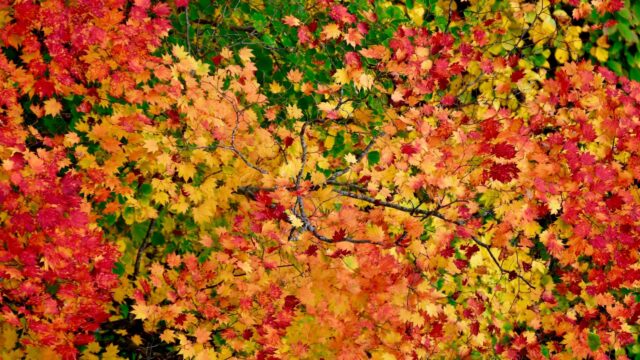
Fall color moves across the country for about three months, from aspens in the Rockies in September to maples in the southern mountains in early November. These are the places most worth planning a trip around, and when each usually peaks.
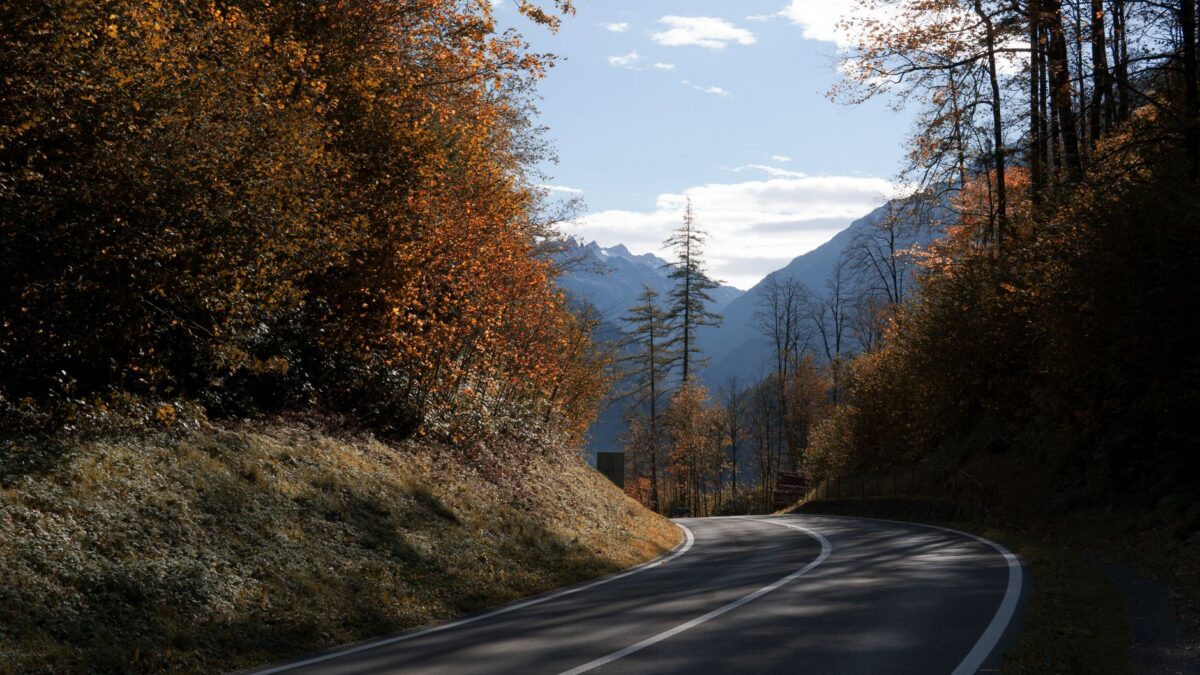
The best fall foliage destinations in the US are northern New England, New York’s Adirondacks and Catskills, the Blue Ridge and Great Smoky Mountains, Michigan’s Upper Peninsula and Minnesota’s North Shore, and Colorado’s aspen country. Colorado and northern New England typically peak from late September to early October, while the southern Appalachians peak from mid-October to early November.
Where are the best places to see fall colors in the US?
The table lists the strongest foliage destinations by region, with typical peak windows. Every season shifts by a week or more depending on weather, so use the windows to choose a trip and the official color reports to fine-tune it.
| Destination | Region | Typical peak | Why go |
|---|---|---|---|
| Vermont: Route 100, Stowe, Woodstock | New England | Late September (north and high) to mid-October (south) | Sugar maples, villages, covered bridges |
| White Mountains, New Hampshire | New England | Late September to early October | Kancamagus Highway, Franconia Notch, mountain views |
| Acadia and the Maine coast | New England | Early to mid-October | Color over the ocean, carriage roads |
| The Berkshires, Massachusetts | New England | Early to mid-October | Rolling hills, small towns, Mohawk Trail |
| Adirondacks, New York | Northeast | Late September to early October | Lakes and huge forest, Lake Placid |
| Catskills and Hudson Valley, New York | Northeast | Early to late October | Easy weekend from New York City |
| Shenandoah and Skyline Drive, Virginia | Mid-Atlantic | Mid- to late October | 105-mile ridge-top drive |
| Blue Ridge Parkway, North Carolina and Virginia | Southeast | Early October (highest) to late October (Asheville area) | Long scenic drive with overlooks |
| Great Smoky Mountains, Tennessee and North Carolina | Southeast | Early to mid-October (high) to early November (low) | Huge variety of hardwoods |
| Upper Peninsula, Michigan | Midwest | Late September to early October | Lake Superior shore, waterfalls, Porcupine Mountains |
| North Shore of Lake Superior, Minnesota | Midwest | Mid-September to early October | Maples and birches above the lake |
| Door County, Wisconsin | Midwest | Early to mid-October | Orchards, harbors, state parks |
| Colorado aspens: Maroon Bells, Kebler Pass, San Juans | West | Mid- to late September | Gold aspen groves below high peaks |
| Northern New Mexico: Taos and the Enchanted Circle | West | Late September to early October | Aspens and adobe towns |
| Grand Teton, Wyoming | West | Mid- to late September | Aspens and cottonwoods below the Tetons, elk rut |
| North Cascades, Washington | Pacific Northwest | Late September to mid-October | Golden alpine larches |
Which are the top picks in New England and New York?
New England has the densest concentration of fall color in the country because its forests are full of sugar maples, which turn bright red and orange. Vermont is the classic choice: Route 100 runs the length of the state past farms and villages, and Stowe and Woodstock make good bases. In New Hampshire, the Kancamagus Highway through the White Mountain National Forest is the signature drive, though it is very busy on October weekends. In Maine, color comes to the coast around Acadia later than inland, which gives a second chance if you miss peak in the mountains.
In New York, the Adirondacks turn first, often around the start of October, followed by the Catskills and then the Hudson Valley. The state publishes an official weekly I LOVE NY fall foliage report every Wednesday during the season, based on field observers. For a day-by-day route, see our New England fall foliage road trip, and for places to stay, our list of the best small towns in New England.
Where should you go in the Mid-Atlantic and the South?
The southern Appalachians have a long season because elevations range from under 1,000 feet to more than 6,000 feet. Color starts at the summits in early October and works downhill for about a month.
- Great Smoky Mountains: the most visited national park in the country has more than 100 native tree species; high elevations color first, and lower valleys such as Cades Cove often peak in late October or early November.
- Blue Ridge Parkway: the stretch near Mount Mitchell and Grandfather Mountain peaks earliest, while the Asheville area is usually best in the second half of October. Sections close for weather or repairs, so check the NPS road status before driving.
- Shenandoah National Park: Skyline Drive usually peaks in mid- to late October and is about two hours from Washington, DC.
- West Virginia: high areas such as Dolly Sods and Canaan Valley often peak in early October.
Our Blue Ridge Parkway road trip combines Shenandoah, the Parkway and the Smokies.
What are the best fall foliage trips in the Midwest?
The upper Midwest peaks earlier than most people expect. Michigan’s Upper Peninsula and Minnesota’s North Shore are often at their best from mid-September to early October, with waterfalls and Great Lakes views adding to the color. The Minnesota Department of Natural Resources says colors there move from the northwest toward the southeast and usually last about two weeks at any one spot. Farther south, Door County in Wisconsin, Brown County in Indiana and Ohio’s Hocking Hills typically peak in October.
Where is the best fall color in the West?
The West’s fall color is mostly aspens, which turn gold all at once and often peak earlier and more briefly than eastern hardwoods.
- Colorado: aspens usually peak from mid- to late September, earlier in the north and at higher elevations. Maroon Bells near Aspen requires advance reservations for parking or the shuttle in season.
- Utah: the Alpine Loop near Provo and the mountains around Park City usually turn in late September and early October.
- New Mexico: aspens around Taos and Santa Fe peak in late September and early October, and cottonwoods along the Rio Grande turn later in October.
- Washington: alpine larches in the North Cascades and around Leavenworth turn gold from late September to mid-October.
- Alaska: birches and aspens turn from late August to mid-September, the earliest color in the country.
How do you time a foliage trip?
- Pick the region first, then aim for its typical window from the table.
- Follow the official state reports in the weeks before you go; New York, Maine, Vermont, New Hampshire and Minnesota all publish them.
- If you arrive early, drive higher or farther north; if you arrive late, drop to lower elevations or the coast.
- Book lodging months ahead for October weekends in New England and the Smokies, and prefer refundable rates.
- Travel midweek where you can; popular scenic drives back up on Saturdays and Sundays.
For a state-by-state calendar and what makes a season early or late, see our guide to fall foliage peak times by state.
Bottom line
For the most color in the least driving, go to Vermont or New Hampshire in the first half of October. For a later trip, the Blue Ridge Parkway and the Smokies hold color into early November. In the West, plan for the second half of September in Colorado and the northern Rockies, and watch the reports closely, because aspens peak fast.
FAQ
Where is the best fall foliage in the US?
Northern New England, especially Vermont and New Hampshire’s White Mountains, has the most consistent and widespread color. The Great Smoky Mountains and Blue Ridge Parkway are the best large areas farther south.
When is peak foliage in New England?
Typically from late September in northern Vermont, New Hampshire and Maine to mid- or late October in southern New England and along the coast. Exact timing varies by a week or more each year.
What is the best fall foliage road trip?
Vermont’s Route 100 and New Hampshire’s Kancamagus Highway are the classic northern drives. The Blue Ridge Parkway is the longest, with color moving down the mountains through October.
Can you see fall colors in November?
Yes, in the South. Lower elevations of the Great Smoky Mountains, parts of Georgia and the Carolinas, the Ozarks and Texas’s Lost Maples area often have color into early or mid-November.