Best Spring Wildflower Destinations in the US and When They Peak
Wildflower season starts in the Southern California desert in late winter and ends in the high meadows of the Cascades in August. Here is the calendar, the best places and the rules that protect the blooms.
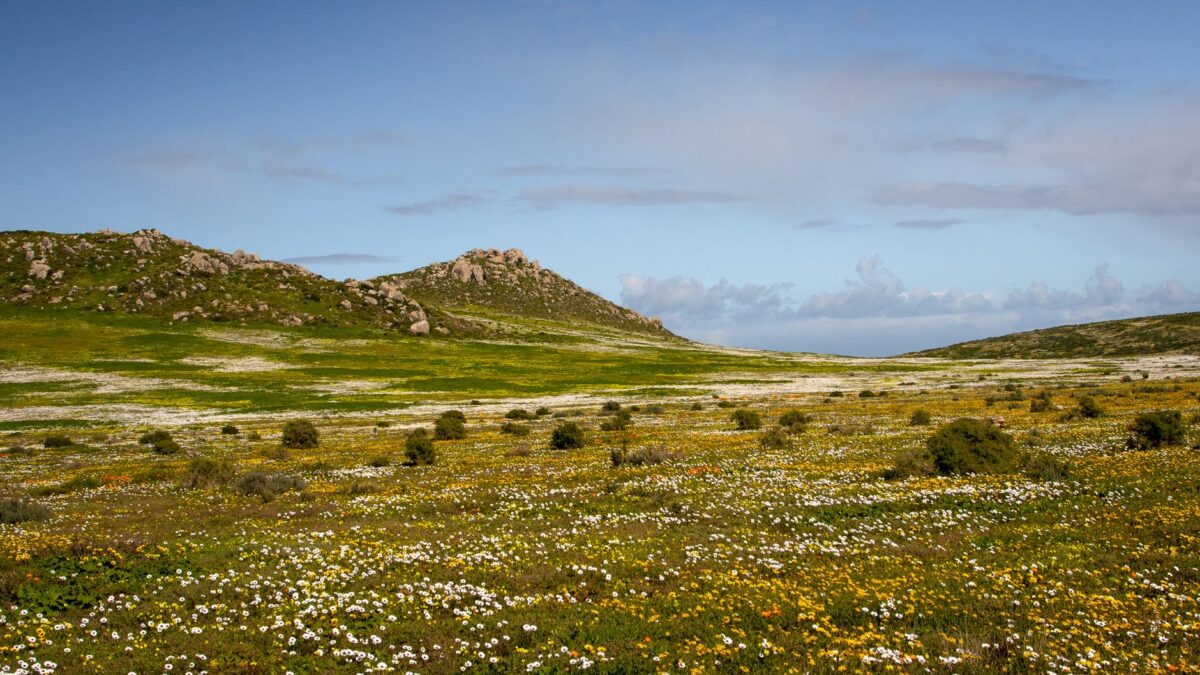
The best wildflower destinations in the US follow a calendar: the Southern California deserts come first, with Anza-Borrego typically peaking around mid-March; California poppy fields and Texas bluebonnets follow from late March through April; the Great Smoky Mountains bloom from late March into May; and mountain meadows such as Mount Rainier’s peak from mid-July to early August.
When do wildflowers peak around the US?
Bloom timing depends on rain, temperature and elevation, so every window below is typical rather than fixed. Desert blooms vary the most: a wet winter can produce a famous superbloom, while a dry one may bring only scattered flowers.
| Destination | State | Typical bloom window | What blooms |
|---|---|---|---|
| Anza-Borrego Desert State Park | California | Late February–early April, peak around mid-March | Sand verbena, desert lilies, primroses, desert sunflowers |
| Death Valley National Park | California | February–April, in wet years | Desert gold and other annuals at low elevations |
| Antelope Valley California Poppy Reserve | California | As early as mid-February through May | California poppies, lupine, goldfields |
| Carrizo Plain National Monument | California | March–April, in wet years | Hillsides of yellow and purple annuals |
| Texas Hill Country | Texas | Late March–mid-April | Bluebonnets, Indian paintbrush |
| Ennis Bluebonnet Trails | Texas | April, usually best mid-month | Bluebonnets along mapped country roads |
| Great Smoky Mountains National Park | Tennessee and North Carolina | Late March–May (low to high elevations) | Trilliums, violets, lady’s slippers, later flame azalea |
| Skagit Valley tulip fields | Washington | April | Commercial tulip and daffodil fields |
| Columbia River Gorge, east end | Oregon and Washington | April–May | Balsamroot and lupine on open slopes |
| Crested Butte | Colorado | July | Mountain meadows of lupine, columbine and sunflowers |
| Mount Rainier National Park | Washington | Mid-July–early August | Subalpine meadows of lupine, paintbrush and avalanche lilies |
How do you see a desert superbloom?
A desert superbloom happens when well-timed rain in fall and winter lets dormant seeds germinate in huge numbers. California had widely reported superblooms in 2017, 2019 and 2023. At Anza-Borrego Desert State Park, east of San Diego, the bloom usually runs from late February to early April, with the peak typically around mid-March, and cactus flowers follow later in spring.
To make the most of a desert bloom:
- Check the park’s or local nature association’s bloom updates the week you plan to go, since conditions change quickly.
- Go early in the morning on a weekday; popular roadsides fill by late morning on weekends.
- Carry plenty of water. Death Valley’s average high is already 82°F in March, according to the National Park Service.
- Stay on roads, trails and existing paths; walking through flower fields crushes plants and compacts the soil.
- Do not drive on wet dirt roads in places like Carrizo Plain, where clay surfaces can become impassable.
For more on desert trips in early spring, see our guide to where to go in March in the US.
Where can you see California poppies?
The Antelope Valley California Poppy Reserve, near Lancaster in northern Los Angeles County, protects rolling hills that turn orange in good years. California State Parks says the season can start as early as mid-February and run through May, depending on rain. Poppies close at night and on cold, cloudy or very windy days, so a sunny, calm late morning is usually best.
A per-vehicle parking fee applies (about $10 in recent seasons; check before you go). Visitors must stay on the reserve’s trails, and picking flowers is not allowed. The California State Parks poppy reserve page has current conditions and contact details.
When are Texas bluebonnets at their best?
Texas bluebonnets usually bloom from late March to mid-April, with the Hill Country west of Austin and San Antonio often peaking in early April. North of there, the town of Ennis, south of Dallas, maps bluebonnet driving trails each April, and its peak often comes around mid-April. Timing shifts with winter rain and temperatures.
- Photograph from public land or roadsides where it is safe to pull fully off the road; never block traffic.
- Stay off private property; many of the best fields are fenced pasture.
- Watch for fire ants and, in rocky areas, snakes before sitting down in a field.
Our Texas Hill Country road trip is built around bluebonnet season, with Fredericksburg, Enchanted Rock and Wimberley.
Why are the Great Smoky Mountains famous for wildflowers?
The Great Smoky Mountains are often called the wildflower national park because the park is home to more than 1,500 kinds of flowering plants, according to the National Park Service. Spring wildflowers start at low elevations in late March and move uphill through April and May, followed by flame azalea and rhododendron on higher ridges in late spring and early summer.
The Spring Wildflower Pilgrimage, a long-running program of guided walks, is held each spring, usually in late April; the 2026 event ran April 22–25. Low-elevation trails along creeks are the best places to look in April. Parking in the park requires a parking tag for stays longer than 15 minutes. For trails and logistics, see our Great Smoky Mountains National Park guide.
Where can you see summer wildflowers in the mountains?
High mountain meadows bloom in summer, after the snow melts. At Mount Rainier National Park, the National Park Service says many flowers are blooming by mid-July and the subalpine meadows at Paradise and Sunrise are usually at their best around the first of August, though timing depends on snowpack. The park asks visitors to stay on trails, even when that means crossing patches of snow, because walking off trail damages the meadows. Its wildflower status page posts updates in summer.
Other strong summer choices are Crested Butte in Colorado in July and Logan Pass in Glacier National Park from July into August.
Bottom line
Plan a desert wildflower trip for March, but wait to book until late winter tells you whether rain has set up a good year. Texas bluebonnets and California poppies are more dependable from late March through April, the Smokies are reliable every April, and Mount Rainier’s meadows are a safe bet for late July and early August. Wherever you go, stay on trails and leave the flowers where they grow.
FAQ
When is superbloom season in California?
Desert superblooms, when they happen, usually peak from late February to March at low elevations such as Anza-Borrego and Death Valley. They depend on a wet fall and winter, so not every year has one.
Can you pick wildflowers in national and state parks?
No. Picking or collecting plants is prohibited in national parks and at California’s poppy reserve, and many other parks have the same rule. Take photos instead.
What is the best month for Texas bluebonnets?
Early to mid-April is usually best, with blooms starting in late March in central Texas. A dry or cold winter can delay or thin the bloom.
How do you know if it will be a good wildflower year?
Watch winter rainfall and the bloom updates from parks and local nature groups. In the desert, a wet fall and winter followed by mild spring weather is the best sign.