Best Places to See Snow for the First Time in the US: 8 Easy Picks
Easy places to see snow for the first time are mountain towns near big airports, such as Lake Tahoe, Estes Park and Flagstaff. Timing and gear tips.
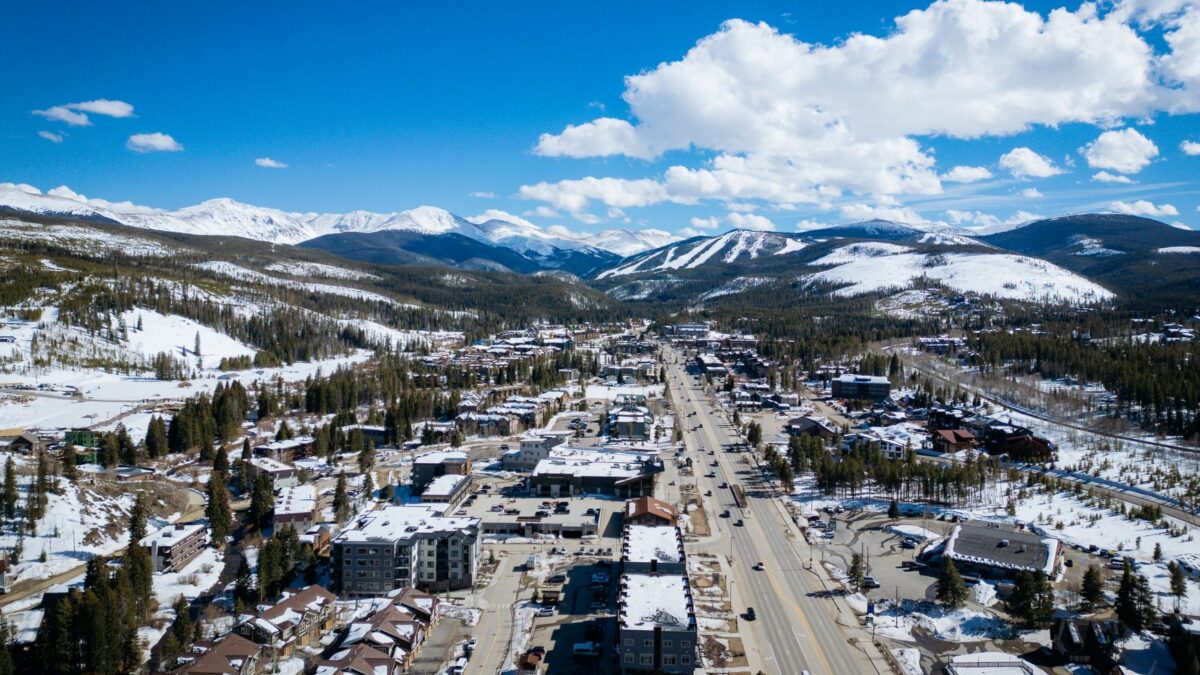
The best places to see snow for the first time in the US are mountain towns and parks with a reliable winter snowpack and a short drive from a major airport: Lake Tahoe on the California and Nevada border, Estes Park in Colorado, Flagstaff in Arizona, and the Adirondacks in New York. Plan for January or February, when snow is most dependable, and pick a base where roads are plowed and rentals are easy to find.
When is snow most reliable in the US?
Midwinter, roughly from late December through February, gives the best odds in most of the country. Higher elevations hold snow longer, so a town in the mountains is a safer bet than a city at low altitude, even if both are in the same state. Early November and late March can bring snow too, but it melts quickly and storms are harder to predict.
Check the forecast and the road conditions a few days before you travel. Snowfall changes from week to week, and a warm spell can strip a trail down to bare ground. Ski resorts and visitor centers usually post current snow depth, and that is a better guide than last year’s photos.
Where can you see snow without a long mountain drive?
Flagstaff, Arizona sits at high elevation and is a common winter trip for people who live in warm desert cities. Snow there often falls on the town itself, so a stroll or a sled day does not require a long drive. Salt Lake City works in a similar way: the Wasatch Mountains rise right next to the city, and snowy canyons are a short drive from downtown.
Lake Tahoe is the classic choice for Californians. The lake towns have snowy streets in a good winter, and there are sledding hills, snowshoe trails and ski resorts within minutes. Reno is the nearest large airport on the Nevada side.
Which national parks are good for a first snow trip?
Several parks stay open in winter and get dependable snow. Rocky Mountain National Park in Colorado is reached through Estes Park, a small town with hotels, restaurants and shops, and it offers snowshoeing and easy walks to frozen lakes. Mount Rainier in Washington receives some of the heaviest snow in the country, and the Paradise area is popular for snowshoeing, though winter access depends on road conditions. Yellowstone is covered in snow all winter, but most of its roads close to regular cars, so you travel by snowcoach or through a gateway town. Our guide to Yellowstone in winter explains how.
Before you go, read the park’s own page on current conditions and closures on the National Park Service website. Some roads in northern parks close for the season, and tire chains can be required. For a wider list, see national parks in winter and which roads stay open.
What are the best small towns for snow?
Colorado has the most choices, since many towns sit high in the Rockies and have lodging for every budget. A good starting point is our list of mountain towns in Colorado. In the Northeast, Lake Placid in the Adirondacks and Stowe in Vermont get regular winter snow and have a village feel, with ice rinks, sleigh rides and cozy inns. On the West Coast, Bend and Mount Hood in Oregon combine snow with an easy drive from Portland or the town’s own regional airport.
- Lake Tahoe, California and Nevada: sledding, snowshoeing, skiing
- Estes Park, Colorado: access to Rocky Mountain National Park
- Flagstaff, Arizona: snow close to the desert
- Salt Lake City and Park City, Utah: mountains beside the airport
- Lake Placid, New York: village, ice rink and winter sports
- Stowe, Vermont: classic New England snow scenery
- Mount Rainier, Washington: deep snow and snowshoe walks
- Bend and Mount Hood, Oregon: snow with a short drive from town
What should you pack for your first time in snow?
Dress in layers: a base layer that wicks moisture, a warm middle layer such as fleece, and a waterproof, windproof outer jacket. Waterproof boots with good grip matter more than almost anything else, because wet feet get cold fast. Add warm socks, gloves, a hat and sunglasses, since bright snow glare is hard on the eyes. Cotton jeans soak up water and stay cold, so waterproof pants are a better choice for sledding or play.
If you plan to drive, rent a car with good tires and ask the rental company about its winter rules, since some do not allow chains. Keep water, a charged phone and a blanket in the car, and do not start a mountain drive with a low fuel tank. Where chains are required, signs say so, and plow crews may close a road temporarily during a storm.
What can you do in the snow if you do not ski?
Most first-time visitors do not need a ski lesson. Sledding and snow tubing are the easiest activities, and many resorts rent equipment by the hour. Snowshoeing is simple to learn and works on gentle trails. You can also build a snowman, have a snowball fight, or watch a snowfall from a warm cabin or cafe. Other winter trips can be paired with snow, and our guide to places to visit in February compares snowy and warm options.
Quick answers
Where can you see snow near a big city?
Salt Lake City, Denver and Seattle all have mountain snow within a short drive in winter. Flagstaff is the closest snow for many visitors from Phoenix.
Is it safe to drive in snow for the first time?
It can be, with preparation. Go slowly, leave extra space behind other cars, brake gently, and avoid mountain roads during active storms. If you are unsure, take a shuttle or a guided tour instead of driving.
Do you need a lot of snow gear to visit?
No. Waterproof boots, gloves, a hat and a warm waterproof jacket cover most needs. Many mountain towns have shops that rent snow pants, sleds and snowshoes.