Best Hot Springs in the US: Developed Pools and Natural Soaks
Historic bathhouses, desert riverside tubs, snowy Colorado pools and an Alaska soak under the aurora, with the rules and safety advice for each type.
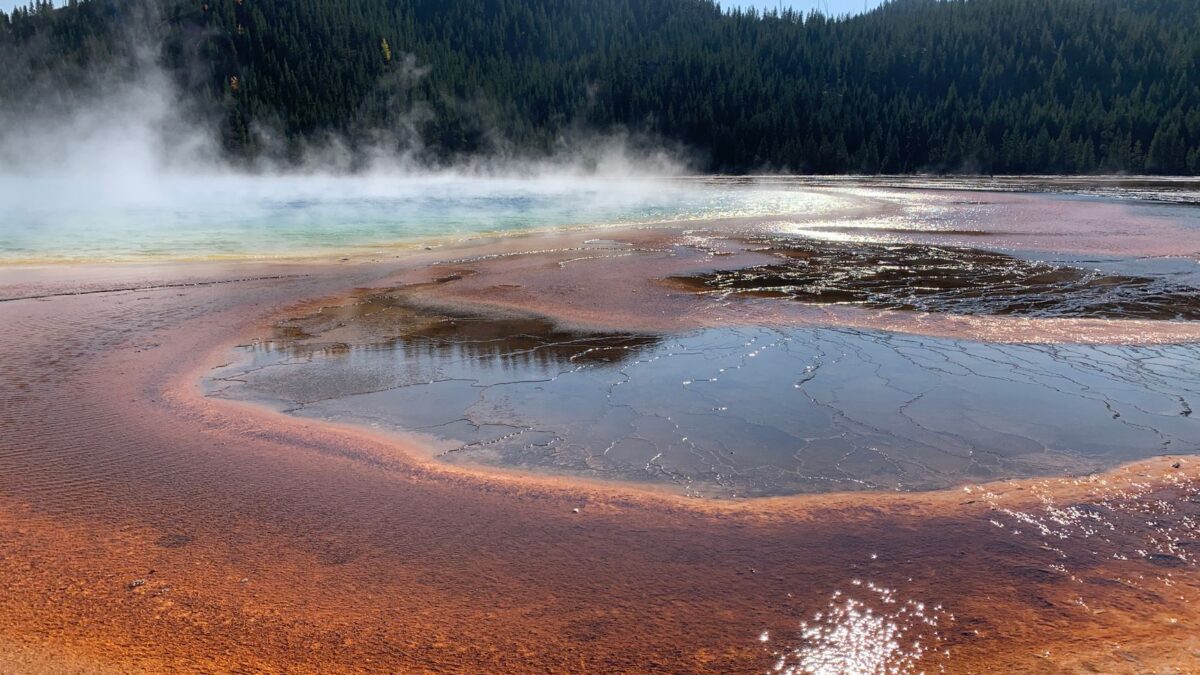
The best hot springs in the US to visit include the historic bathhouses of Hot Springs National Park in Arkansas, the riverside spring in Big Bend National Park in Texas, Strawberry Park and Glenwood Springs in Colorado, and Chena Hot Springs near Fairbanks, Alaska. Costs run from free at primitive springs to about $30 or more per adult at developed pools as of November 2026. Soaking in Yellowstone’s thermal features is illegal and dangerous.
Hot springs fall into two groups: developed pools with changing rooms, set temperatures and staff, and natural springs on public land with no facilities. The table below includes both, with the rules that matter before you go.
Which hot springs in the US are worth a trip?
| Hot spring | State | Type | Cost (as of Nov 2026) | Best season | Key rules |
|---|---|---|---|---|---|
| Hot Springs National Park (Buckstaff and Quapaw bathhouses) | Arkansas | Developed, indoor | No park fee; bathhouse services paid | Year-round | No outdoor soaking in the park |
| Big Bend Hot Springs | Texas | Natural, riverside stone tub | Included in the $30 per-vehicle park fee | November–March | Unpaved access road not suited to RVs or trailers |
| Glenwood Hot Springs Pool | Colorado | Developed, large outdoor pool | Paid day admission | Year-round; winter for steam and snow | Resort rules; busy on weekends |
| Strawberry Park Hot Springs | Colorado | Rustic, rock-lined pools | $30 adults, $20 ages 17 and under, cash only, 2-hour slots | Year-round | Reservation required; adults only after dark; winter road needs 4WD with snow tires or chains |
| Chena Hot Springs | Alaska | Developed resort | Paid day use | Late August–April for aurora chances | Resort rules; about 60 miles from Fairbanks |
| Granite Hot Springs | Wyoming | Developed pool in a national forest | Paid day use | Summer by car; winter over snow | Seasonal hours; remote |
| Travertine Hot Springs | California | Natural pools on BLM land | Free | Spring and fall | Protect fragile mineral formations; pack out trash |
| Umpqua Hot Springs | Oregon | Natural pools on a cliffside | Forest Service recreation pass may apply | Summer and fall | Site-specific Forest Service rules posted |
| Ojo Caliente | New Mexico | Historic mineral springs resort | Paid day use | Year-round | Check whether day passes need a booking |
| Calistoga | California | Developed spas and mud baths | Paid spa services | Year-round | Book treatments ahead |
| Pagosa Springs | Colorado | Developed pools along the San Juan River | Paid day use | Year-round | Resort rules |
Prices at private resorts change often; check each official site for current rates and whether you need to book a time slot.
How do you soak at Hot Springs National Park?
Hot Springs National Park in Arkansas has no entrance fee, and soaking in its thermal water is limited to two bathhouses on Bathhouse Row that receive spring water piped in. There are no outdoor soaking areas in the park.
- Buckstaff Bathhouse: opened in 1912 and has offered baths without fully closing since; traditional bathing services.
- Quapaw Bathhouse: modern spa with thermal pools, private baths and a steam cave.
- Fordyce Bathhouse: serves as the park visitor center and museum.
See the park’s Soak in the Springs page for current bathhouse details.
Can you soak in hot springs in Yellowstone?
No, not in the thermal features. It is illegal to swim or bathe in any water in Yellowstone that is entirely of thermal origin, and people have been seriously burned or killed after leaving boardwalks. Thin crust can break over scalding water, and runoff channels can be extremely hot.
- Stay on boardwalks and designated trails, and keep children close.
- Do not touch thermal water or runoff.
- Pets are not allowed in thermal areas, even if carried.
- The Boiling River area near Gardiner, once a legal soaking spot where hot water mixes with the Gardner River, closed after the June 2022 flood; do not assume it has reopened.
Read the park’s Yellowstone safety page before visiting the geyser basins, and see our guide to the best time to visit Yellowstone for road openings.
What is the difference between developed and natural hot springs?
Developed hot springs control water temperature, clean the pools and have staff, changing rooms and rules; natural hot springs are free or cheap but have no lifeguards, no water testing and variable temperatures.
| Developed | Natural | |
|---|---|---|
| Cost | Paid admission or spa fees | Usually free; parking or recreation pass may apply |
| Temperature | Managed pools | Varies with weather and river level |
| Facilities | Showers, changing rooms, food | Few or none |
| Access | Paved roads, parking lots | Dirt roads, short or long hikes |
| Crowds | Time slots or capacity limits at some | Small pools fill quickly on weekends |
| Rules | Posted by the resort | Set by the land manager (NPS, Forest Service, BLM) |
Which hot springs are best in winter?
Chena, Strawberry Park, Glenwood Springs, Granite Hot Springs and Big Bend are among the best winter soaks, for very different reasons.
- Chena Hot Springs, Alaska: dark winter nights give a chance to see the aurora while soaking; see where else to look in our northern lights guide.
- Strawberry Park, Colorado: snow-covered pools near Steamboat Springs; book a slot up to 30 days ahead and plan for the winter road rule from November 1 to May 1.
- Glenwood Springs, Colorado: a large outdoor pool steaming in cold air, easy to reach from I-70.
- Granite Hot Springs, Wyoming: in winter the access road is snow-covered, and visitors usually arrive by snowmobile, dog sled or skis.
- Big Bend, Texas: winter is the comfortable season in the desert, when a 105°F riverside soak makes sense.
How do you stay safe in hot springs?
Limit soaks to short sessions, drink water and keep your head above the surface. The U.S. Consumer Product Safety Commission recommends hot tub water no hotter than 104°F, and natural springs can be hotter in spots.
- Keep your head above water: the CDC advises holding your nose or keeping your head out of warm freshwater, including hot springs, to lower the very rare risk of infection by the amoeba Naegleria fowleri.
- Check with a doctor first if you are pregnant or have heart problems or high blood pressure.
- Skip alcohol while soaking, especially at high elevation.
- Test the water with a hand before getting in at natural springs, and stay out of any source too hot to touch.
- Respect the site: no soap or glass, pack out trash, and follow clothing and hours rules.
How do you plan a hot springs trip?
- Check the land manager. National park, national forest, BLM land or a private resort each sets its own rules and fees.
- Book where required. Strawberry Park needs a reservation, and many resorts sell timed passes on busy days.
- Check road conditions for dirt roads and winter access.
- Bring a towel, water shoes, water and a warm layer for after the soak.
- Go early or midweek for small natural pools.
Colorado’s springs pair well with a mountain town stay; see our best mountain towns in Colorado.
Bottom line
For history, soak at Hot Springs National Park’s Buckstaff or Quapaw bathhouses; for scenery, try Strawberry Park, Big Bend or Chena under the aurora. Book developed pools ahead, follow land-manager rules at natural springs, keep your head above water and never enter Yellowstone’s thermal features.
FAQ
Are there free hot springs in the US?
Yes. Many natural springs on Bureau of Land Management and national forest land, such as Travertine Hot Springs in California, are free, though a recreation pass may be required to park at some.
Can you swim in Hot Springs National Park?
Not outdoors. Thermal soaking in the park is available only inside the Buckstaff and Quapaw bathhouses.
Do you need a reservation for hot springs?
At some, yes. Strawberry Park requires one, opening 30 days ahead, and many resorts use timed entry on weekends and holidays; natural springs usually do not take reservations.
What is the best time of year for hot springs?
Late fall through early spring is the best time for most hot springs, when cold air makes a warm soak more comfortable. Desert springs such as Big Bend are best from November to March.