Glacier National Park Guide: Sun Road, Regions, Lodges and Best Months
Glacier rewards careful timing more than almost any park. This guide covers when Going-to-the-Sun Road opens, the 2026 reservation changes, each region of the park, where to sleep and how wildfire smoke affects late summer.
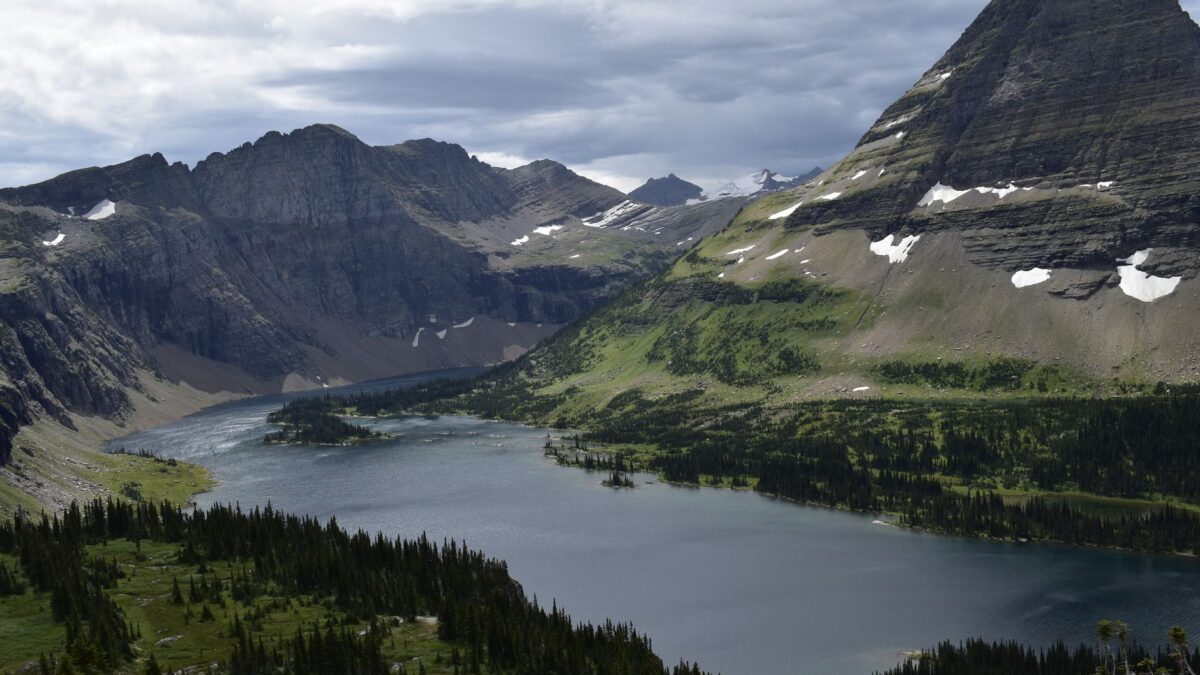
Glacier National Park in northwest Montana is best visited from mid-July to mid-September, when the 50-mile Going-to-the-Sun Road is usually fully open and most high trails are free of snow. As of November 2026, the park did not require vehicle reservations in 2026, entry costs $35 per vehicle in summer, and a first visit needs about 3 to 4 days.
Glacier recorded 3,136,557 recreation visits in 2025, the tenth-highest total among national parks according to the National Park Service. Most of those visits happen in a short July to September window, when roads, lodges and shuttles all operate at once.
Do you need a reservation for Going-to-the-Sun Road?
No vehicle reservation was required for Going-to-the-Sun Road or any other part of Glacier in 2026. The park ran timed vehicle reservations from 2021 through 2025 but replaced them in 2026 with other congestion measures, according to its vehicle reservations page.
The 2026 measures were pilots, and the park may change them for 2027:
- Logan Pass parking limit: a three-hour limit at the Logan Pass lot, which usually fills around sunrise in summer.
- Ticketed shuttle: the free Going-to-the-Sun Road shuttle to Logan Pass required a ticket booked on Recreation.gov, with a small processing fee.
- Temporary diversions: rangers can hold traffic at entrances or turn vehicles away from congested sections when safety limits are reached.
Check the park website in spring 2027 for the next season’s rules. Our guide to national parks that require reservations tracks changes across all major parks.
When does Going-to-the-Sun Road open?
Going-to-the-Sun Road is typically fully open from late June or early July until the third Monday of October, weather permitting. There is no fixed opening date for the section over Logan Pass, at 6,646 feet, because crews must clear deep snow and avalanche debris each spring. Lower sections, such as Apgar to Lake McDonald Lodge on the west side and St. Mary to about Rising Sun on the east, open earlier.
| Fact | Detail (as of November 2026) |
|---|---|
| Length | About 50 miles, roughly 2 hours without stops |
| Highest point | Logan Pass, 6,646 ft |
| Typical full opening | Late June to mid-July, depending on snow |
| Typical full closing | Third Monday of October, earlier if snow falls |
| Vehicle limits | Over 21 ft long or 8 ft wide (with mirrors) not allowed between Avalanche Creek and Rising Sun |
| Tall vehicles | Over 10 ft may have trouble with rock overhangs west of Logan Pass |
In spring, sections still closed to cars are often open to bikes and hikers when plow crews are not working, but rules and conditions change daily. The park’s Going-to-the-Sun Road page posts current status. RV travelers should read our RV vs hotel road trip comparison, because most rental motorhomes exceed the 21-foot limit.
What are the main regions of Glacier?
Glacier has six main areas, and they are far apart by road. Plan one region per day rather than trying to cover the whole park at once.
| Region | Side | Highlights | Access |
|---|---|---|---|
| Lake McDonald and Apgar | West | Largest lake, Trail of the Cedars, Avalanche Lake | Paved, open longest |
| Logan Pass | Center | Hidden Lake Overlook, Highline Trail, mountain goats | Going-to-the-Sun Road, summer only |
| St. Mary | East | St. Mary Lake, Wild Goose Island view, St. Mary and Virginia falls | Paved from US-89 |
| Many Glacier | East | Grinnell Glacier, Iceberg Lake, frequent bear and moose sightings | Paved spur road from Babb |
| Two Medicine | Southeast | Quieter lake valley, boat tours, Running Eagle Falls | Paved spur from MT-49 |
| North Fork | Northwest | Bowman and Kintla lakes, remote feel | Long gravel roads from Polebridge |
Driving from West Glacier to Many Glacier over the Sun Road takes about 2.5 to 3 hours without stops. When the pass is closed, the alternative route on US-2 around the south edge of the park takes about the same time.
Where should you stay in Glacier?
Stay on the west side for Lake McDonald and easy airport access, or on the east side for Many Glacier and St. Mary. Splitting a trip between both sides cuts down on long drives.
- In-park lodges, west: Lake McDonald Lodge, Village Inn at Apgar, Apgar Village Lodge and Motel Lake McDonald.
- In-park lodges, east: Many Glacier Hotel, Swiftcurrent Motor Inn and Rising Sun Motor Inn.
- Backcountry chalets: Sperry and Granite Park, reached only on foot.
- Gateway towns: West Glacier, Columbia Falls, Whitefish and Kalispell on the west; St. Mary and East Glacier Park on the east.
In-park lodges open roughly from late May or June to September, and summer rooms often sell out many months ahead. Our guide on how to book national park lodges explains booking windows. Campgrounds such as Fish Creek, Many Glacier and St. Mary take reservations on Recreation.gov.
How bad is wildfire smoke in Glacier?
Wildfire smoke is common in Glacier from late July through early September, though the amount varies a lot from year to year. Fires in Montana, Idaho, Washington and western Canada can haze views for days, and fires inside the park can close trails, campgrounds or sections of road.
If clear mountain views are your main goal, mid-July is usually the safest bet. Check the AirNow smoke map and the park’s alerts page in the days before you go, and keep a flexible plan with lower-elevation hikes in case of closures. People with asthma or heart conditions should limit hard exercise on smoky days.
When is the best time to visit Glacier?
Mid-July to mid-September is the best time for most visitors. Here is how the seasons compare:
- Late May to June: waterfalls at full flow, lower crowds, but Logan Pass and many high trails still under snow.
- July: Sun Road open, wildflowers at their peak, busiest month.
- August: warmest weather, highest chance of smoke.
- September: fewer people, first fall color, cold nights; lodges begin closing late in the month.
- October to May: mostly closed roads and services, winter rate of $25 per vehicle from November 1 to April 30, skiing and snowshoeing near Apgar.
Snow can fall at Logan Pass in any month. Glacier is grizzly bear country: carry bear spray, make noise on trails, and never approach wildlife.
How much does it cost to enter Glacier?
As of November 2026, a seven-day private vehicle pass costs $35 in summer and $25 in winter, a motorcycle pass $30 or $20, and entry on foot or by bike $20 or $15. The Glacier annual pass costs $70, and the $80 America the Beautiful pass also covers entry. Since January 1, 2026, visitors who are not U.S. residents and are 16 or older pay an extra $100 per person unless they hold the $250 nonresident annual pass.
Glacier Park International Airport near Kalispell is about 25 to 30 miles from the West Entrance. Amtrak’s Empire Builder also stops at West Glacier and East Glacier Park.
Bottom line
Aim for mid-July to mid-September, plan at least three days with nights on both sides of the park, and book lodges early. Vehicle reservations were not required in 2026, but Logan Pass still fills by sunrise, so start early and check the park’s rules for 2027 before you go.
FAQ
How many days do you need in Glacier National Park?
Three to four days cover Going-to-the-Sun Road, Lake McDonald, Many Glacier and one long hike. Add a day for Two Medicine or the North Fork.
Is Going-to-the-Sun Road scary to drive?
The road is narrow with steep drop-offs and few guardrails between Avalanche Creek and Rising Sun. Drivers nervous about heights can take the park shuttle or a guided red bus tour instead.
Can you see glaciers in Glacier National Park?
Yes, though they are shrinking. Grinnell Glacier, reached by a long day hike from Many Glacier, is the most visited, and Jackson Glacier is visible from an overlook on the Sun Road.
What is the closest airport to Glacier National Park?
Glacier Park International Airport (FCA) near Kalispell is the closest, about 25 to 30 miles from West Glacier. Missoula and Great Falls are larger alternatives with longer drives.