3 Days in Yosemite: Valley, Glacier Point, Sequoias and Tuolumne
A day on the Valley floor, a day climbing to waterfalls and Glacier Point, and a third day in the high country or the giant sequoias, depending on the season.
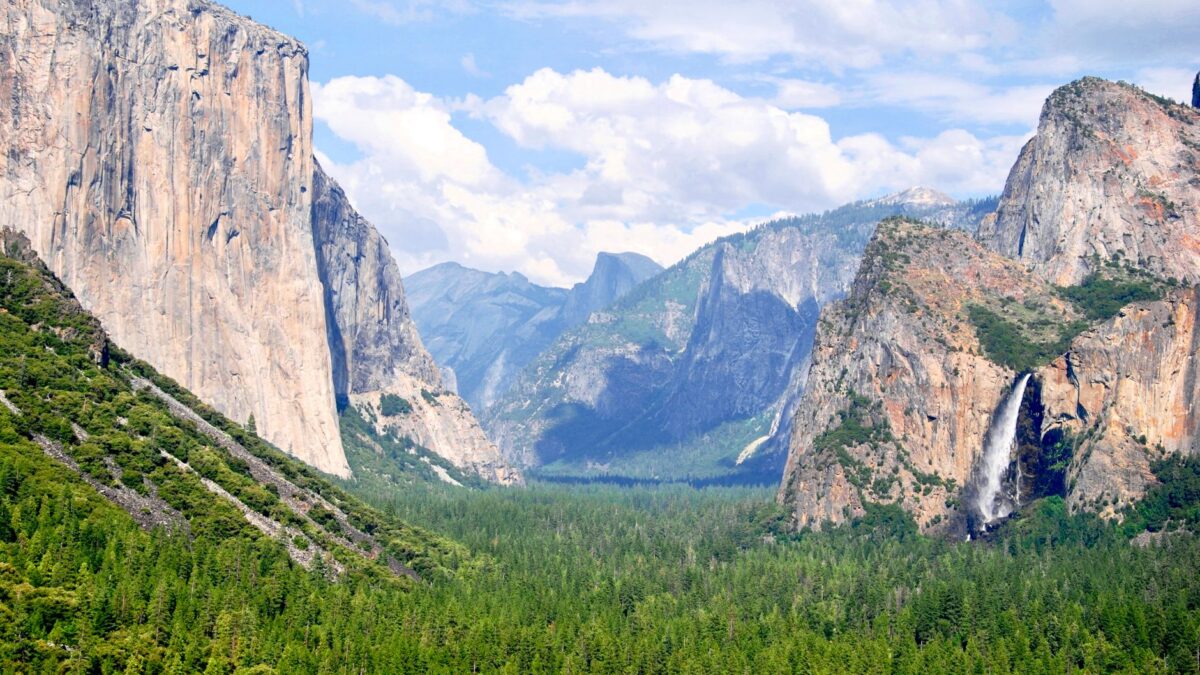
Three days in Yosemite National Park is enough to see Yosemite Valley’s waterfalls and granite walls, hike the Mist Trail, watch sunset from Glacier Point and spend a third day either on Tioga Road in Tuolumne Meadows (summer and early fall) or among the giant sequoias of Mariposa Grove. Yosemite did not require timed-entry reservations in 2026, so a $35 vehicle pass, valid 7 days, was all you needed to drive in. The hard part is lodging: book inside the park or in a nearby gateway town months ahead.
This plan works best from late May to October, when Glacier Point Road and Tioga Road are usually open. In winter and early spring, both high roads close for snow and the plan shrinks to the Valley and Mariposa Grove.
Do you need a reservation to visit Yosemite in 2026?
No entry reservation was required in 2026. On February 18, 2026, the park said it would not use a timed reservation system that year, after reviewing traffic and parking data from 2025, and would manage crowds with parking controls and extra staff instead. The park’s entrance reservations page is the place to check whether rules change for 2027.
- Entrance fee: $35 per private vehicle for 7 days as of November 2026, or $20 per person on foot or bike. America the Beautiful passes are accepted.
- Non-US residents: since January 1, 2026, each nonresident age 16 or older pays an extra $100 unless entering with the $250 nonresident annual pass.
- Still bookable only in advance: lodging, campgrounds, Half Dome cable permits and wilderness permits.
Without reservations, parking in Yosemite Valley fills by mid-morning on summer weekends. Arrive before 8 a.m., park once, and use the free Valley shuttle and your feet for the rest of the day.
What is the best 3-day Yosemite itinerary?
Day 1: Yosemite Valley highlights
Enter early and stop first at Tunnel View on Wawona Road for the classic view of El Capitan, Half Dome and Bridalveil Fall. Then walk the short trail to Bridalveil Fall and drive to El Capitan Meadow to watch climbers on the wall.
Park near Yosemite Village and walk the Lower Yosemite Fall loop, about 1 mile. Yosemite Falls drops 2,425 feet in three sections and is one of the tallest waterfalls in North America; it runs strongest in May and June and is often dry by late summer. In the afternoon, rent a bike or walk the flat Valley Loop through Cook’s Meadow, then end with sunset at Valley View or back at Tunnel View.
Day 2: Mist Trail and Glacier Point
Start the Mist Trail from Happy Isles by 8 a.m. The footbridge view of Vernal Fall is about 1.6 miles round trip; the top of Vernal Fall is about 2.4 miles round trip on steep, wet granite steps; continuing to Nevada Fall makes it roughly 5.4 miles round trip with a big climb. In spring, expect to be soaked by spray, so bring a rain jacket.
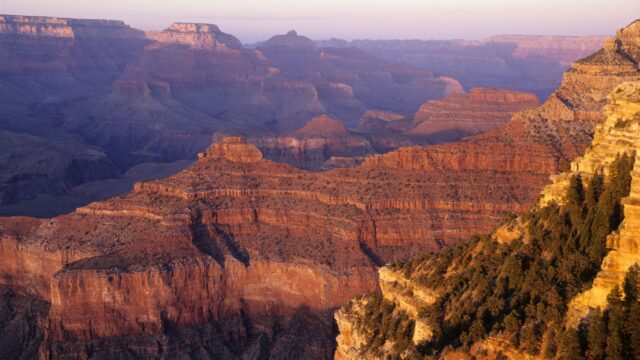
After lunch, drive to Glacier Point at 7,214 feet, about 30 miles and an hour from the Valley. Walk to Taft Point or Sentinel Dome, each about 2.2 miles round trip, and stay for sunset on Half Dome. Glacier Point Road is usually open from late May or June until the first big snow, typically in November.
Day 3, option A (summer and early fall): Tioga Road and Tuolumne Meadows
Drive Tioga Road east from Crane Flat. Stop at Olmsted Point for a side view of Half Dome, swim or picnic at Tenaya Lake, and walk the meadows at Tuolumne, about 8,600 feet, or climb Lembert Dome for a big view in a short hike. Tuolumne is about 55 miles and 1.5 hours from the Valley. Tioga Road opened on May 15 in 2026, its earliest opening in 16 years, and usually closes in November. If you are heading east, continue over 9,945-foot Tioga Pass to Lee Vining and Mono Lake.
Day 3, option B (any season): Mariposa Grove and Wawona
Drive about an hour south to the Mariposa Grove, which has more than 500 mature giant sequoias. Private cars park at the Welcome Plaza near the South Entrance, and a free shuttle runs up to the grove from about late April through November; outside that season, you walk the road. The Big Trees Loop and the walk to the Grizzly Giant are easy. Stop at the Wawona Hotel area and the Pioneer Yosemite History Center on the way back, or exit south toward Fresno.
Should you stay inside Yosemite or outside?
Staying inside the park, especially in Yosemite Valley, saves 1 to 2 hours of driving a day and makes sunrise and sunset easy. Outside lodging is easier to find and often cheaper, but you pay in drive time.
| Base | Drive to Yosemite Valley | Good for | Trade-off |
|---|---|---|---|
| Yosemite Valley (lodges, tent cabins, campgrounds) | 0 min | Waterfalls, sunrise, no parking stress | Books out far ahead; highest prices |
| Wawona (inside the park) | ~1 hr | Mariposa Grove, quieter | Long drive to the Valley and Glacier Point |
| El Portal (Highway 140) | ~20 min | Closest outside option | Few rooms, limited food |
| Mariposa (Highway 140) | ~1–1.25 hr | Price and choice | Long round trips |
| Oakhurst / Fish Camp (Highway 41) | ~1–1.25 hr | Mariposa Grove, south side | Long drive to the Valley |
| Groveland (Highway 120 West) | ~1 hr | Arriving from the Bay Area, Tioga Road | Long round trips to the Valley |
| Lee Vining (Highway 120 East) | ~1.5–2 hr | Tuolumne, Mono Lake | Only usable when Tioga Road is open |
A practical split: two nights in or near the Valley, and the third night in Wawona or Oakhurst if you end with Mariposa Grove, or in Lee Vining if you cross Tioga Pass. If you are combining Yosemite with the coast, our California road trip in 7 days shows how it fits.
When is the best time for 3 days in Yosemite?
| Months | Waterfalls | High roads | Crowds | Verdict |
|---|---|---|---|---|
| Dec–Mar | Low to moderate; ice and snow | Tioga and Glacier Point roads closed | Low (busy around Horsetail Fall in February) | Quiet Valley trip; carry tire chains |
| Apr–May | Peak flow | Mostly closed until late May | Rising | Best for waterfalls |
| Jun | Strong | Usually open | High | Best all-round month |
| Jul–Aug | Fading, some dry | Open | Highest | Best for Tuolumne; possible smoke |
| Sep–Oct | Low or dry | Open until first big storm | Moderate | Fewer people, mild weather |
| Nov | Low | Closing for winter | Low | Valley only once snow arrives |
Road status changes with every storm. As of October 30, 2026, the park listed both Tioga Road and Glacier Point Road as temporarily closed for snow; check current Yosemite conditions the day before you drive.
What should you book ahead for Yosemite?
- In-park lodging: reservations open about a year ahead, and summer weekends go quickly.
- Campgrounds: released on Recreation.gov months ahead and often booked within minutes; check the park’s camping page for the release schedule.
- Half Dome cables: a permit through a Recreation.gov lottery is required on the cables; most people apply in the preseason lottery in early spring.
- Outside lodging: 2 to 4 months ahead for June to August.
How do you stay safe on this itinerary?
- Water: stay out of rivers and off wet rocks above waterfalls, especially in spring, when currents are fast and cold.
- Mist Trail: granite steps are slick; wear shoes with good grip and keep children close.
- Bears: store all food and scented items in bear lockers or your room; never leave food in a parked car.
- Altitude: Tuolumne and Tioga Pass sit at 8,600 to nearly 10,000 feet. Drink water and take it slow.
How much do 3 days in Yosemite cost?
Rough planning ranges for two travelers sharing a room for 3 nights, excluding travel to the area, as of November 2026.
| Item | Budget | Mid-range | Comfort |
|---|---|---|---|
| Lodging (3 nights) | $100–250 (campground) | $600–1,000 (tent cabin, gateway motel or hotel) | $1,200–2,500 (Valley lodge, historic hotel) |
| Entrance | $35 (or annual pass) | $35 | $35 |
| Food for two | $100–160 (groceries) | $250–400 | $450–750 |
| Fuel inside the park | $40–70 | $40–80 | $50–90 |
| Extras | $0–40 (bike rental) | $50–150 (bike rental, guided walk) | $200–500 (guided hike or tour) |
| Total for two | $275–555 | $975–1,665 | $1,935–3,875 |
What if you have less or more time?
With 1 day: Tunnel View, Bridalveil Fall, Lower Yosemite Fall, the Vernal Fall footbridge and sunset at Glacier Point if the road is open.
With 5 days: add a full Tuolumne day with a longer hike, a day at Hetch Hetchy Reservoir, and either Half Dome with a permit or a slower Mariposa Grove and Wawona day. Our Yosemite National Park guide covers more sights and month-by-month conditions.
Bottom line
Three days in Yosemite fits the Valley’s waterfalls, the Mist Trail, Glacier Point at sunset and either Tuolumne Meadows or Mariposa Grove. No entry reservation was needed in 2026, so the keys are an early start for parking, lodging booked months ahead and a check of Tioga and Glacier Point road status before you go.
FAQ
Is 3 days enough for Yosemite?
Yes, for a first visit. Three days covers the Valley, a waterfall hike, Glacier Point and one more area such as Tuolumne or the sequoias. Backpackers and Half Dome hikers will want more time.
Do I need a reservation to drive into Yosemite?
Not in 2026: the park said it would not use timed entry reservations that year. You still pay the entrance fee, $35 per vehicle as of November 2026, and lodging and campsites must be reserved. Check the park website for 2027 rules.
When is Tioga Road open?
Tioga Road usually opens between late May and June and closes after the first major snow, typically in November. In 2026 it opened on May 15. Opening and closing dates change every year with snowpack.
What is the best day trip from Yosemite Valley?
Glacier Point is the top choice when its road is open, for its view over Half Dome and the Valley. In summer, Tioga Road and Tuolumne Meadows make a full day. Mariposa Grove is the best option in any season.