RV Rental vs Car and Hotels: Which Road Trip Costs Less?
Fuel and mileage charges tip the math for couples; families who cook come out close to even. Here are side-by-side budgets and the park roads where RVs are banned.
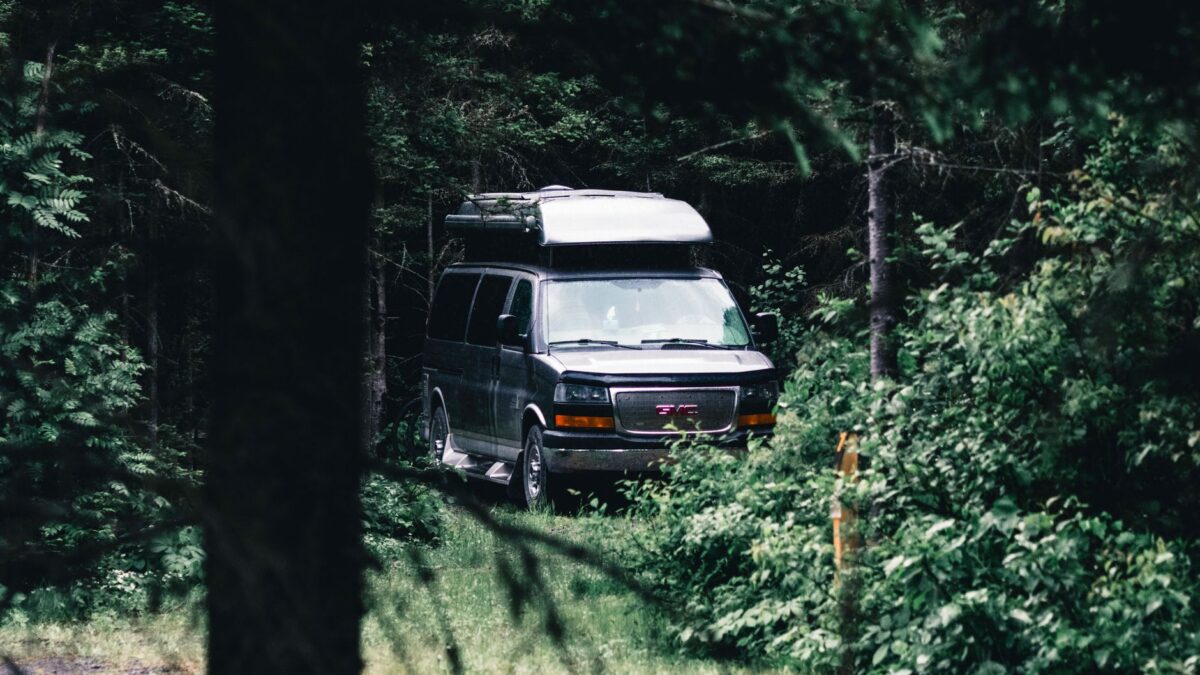
For two people, an RV rental usually costs as much as or more than a car plus mid-range hotels. Once you add mileage charges, campsite fees and fuel for a motorhome that gets roughly 8–12 miles per gallon, a week in an RV often runs $600–$800 more than the car-and-hotel version. An RV comes out closer to even for families of four or more who cook most meals, and it wins when you want to sleep inside parks or when hotel prices near a park spike.
The comparison below uses planning estimates for summer rentals, not quotes, and gas at the national average of $4.15 a gallon from the U.S. Energy Information Administration for the week of November 2, 2026.
How do the daily costs compare?
An RV combines your car and your room into one rental, so compare a full day of each option, not just the nightly rate.
| Daily cost | Class C motorhome (sleeps 4–6) | Standard car + mid-range hotel |
|---|---|---|
| Vehicle rental | about $150–$350 in summer | about $50–$120 |
| Place to sleep | about $25–$100 campsite (hookups cost more) | about $140–$250 hotel room |
| Fuel for 200 miles | about $70–$105 (8–12 mpg) | about $25–$35 (25–35 mpg) |
| Mileage charges | Often charged per mile above an allowance | Usually unlimited |
| Food | Cheaper: full kitchen on board | Higher: more restaurant meals |
| One-time extras | Prep or cleaning fee, kitchen and bedding kits, generator use, propane, dump fees | Hotel parking or resort fees |
Fuel is where the gap shows most clearly. At $4.15 a gallon, 200 miles costs about $83 in a motorhome averaging 10 mpg, compared with about $28 in a car averaging 30 mpg.
What does a 7-day trip cost each way?
This example covers 1,200 miles over seven days and six nights in summer. The RV column assumes about 700 included miles and a per-mile charge for the rest; check your rental’s actual allowance.
| Cost line | RV, 2 adults | Car + hotel, 2 adults | RV, family of 4 | Car + hotel, family of 4 |
|---|---|---|---|---|
| Vehicle, 7 days | $1,540 | $490 | $1,540 | $630 (SUV) |
| Extra mileage and fees | $400 | $0 | $400 | $0 |
| Fuel | $500 (10 mpg) | $166 (30 mpg) | $500 | $200 (25 mpg) |
| Lodging, 6 nights | $330 (campsites) | $1,020 (one room) | $330 | $1,140 (one larger room) |
| Food | $490 (mostly cooking) | $840 (mixed) | $980 | $1,680 |
| Total | about $3,260 | about $2,520 | about $3,750 | about $3,650 |
For a couple, the car and hotels win by roughly $700. For a family of four, the two options land within about $100 of each other, and the RV saves packing and unpacking every night. For a full breakdown of non-RV trip costs, see how much a road trip costs.
Where are RVs hard to drive or park?
Some of the most famous park roads have strict size limits, and older campgrounds have short sites. Check these before you choose a motorhome:
- Going-to-the-Sun Road, Glacier: vehicles and combinations longer than 21 feet, including bumpers, or wider than 8 feet, including mirrors, are prohibited between Avalanche Creek and Rising Sun. Vehicles taller than 10 feet may have trouble west of Logan Pass because of rock overhangs, according to the park’s road information page. Most rental motorhomes exceed 21 feet, so plan to park and use a shuttle or a car.
- Cadillac Summit Road, Acadia: RVs, trailers and any vehicle over 21 feet, including bike racks, are prohibited even with a vehicle reservation.
- Zion–Mount Carmel Tunnel, Zion: many RVs are large enough to need a paid tunnel permit for escorted one-way traffic, and the largest vehicles are not allowed through.
- Zion Canyon Scenic Drive: closed to private vehicles during shuttle season, so you ride the park shuttle.
- Campground length limits: many older national park campgrounds have sites that fit only shorter rigs. Check the maximum length on each Recreation.gov listing before booking.
- Cities and coastal roads: parking in downtown areas, and narrow, winding routes such as parts of the Pacific coast, are much harder in a 25- to 30-foot vehicle.
Our Glacier National Park guide explains how to see Going-to-the-Sun Road without driving a large vehicle on it.
What are the hidden costs of renting an RV?
RV rental quotes often leave out charges that show up at pickup or return. Ask the rental company about each one:
- Mileage: many rentals include a set number of miles per night or per trip and charge for each extra mile.
- Generator hours: often billed per hour of use.
- Kits: kitchen gear, bedding and towels are frequently extra.
- Prep and cleaning fees: a one-time charge at pickup, plus fees if the tanks or interior come back dirty.
- Insurance and damage deposit: a refundable hold on your card, sometimes in the thousands of dollars.
- One-way fees and minimum nights: common in peak season.
- Campground hookups: sites with water, electric and sewer cost more than tent sites.
- Tolls and parking: some toll roads charge by axle, and some lots do not allow RVs at all.
Who should choose an RV, and who should not?
An RV makes the most sense for:
- Families of four or more who will cook most meals.
- Travelers who want to sleep in national park campgrounds near the trailheads.
- Slow trips with two or three nights per stop, which cut fuel and setup time.
- Peak weeks when gateway-town hotels are sold out or very expensive.
A car and hotels make more sense for:
- Couples and solo travelers.
- Fast trips covering many miles each day.
- Routes with size-restricted roads such as Going-to-the-Sun Road, or lots of city stops.
- Anyone uneasy driving a large vehicle on mountain grades and narrow roads.
How far ahead should you book RV campsites?
Book campsites at popular parks as soon as they open, often about six months ahead on Recreation.gov, and earlier for holiday weekends. Yellowstone’s concessioner-run campgrounds, including Fishing Bridge RV Park, move to Recreation.gov for the 2027 summer season, with bookings opening about six months ahead. Our guide to getting Recreation.gov reservations explains the release windows. Book the RV itself as early as the campsites, because rental fleets near major parks sell out for summer.
Bottom line
For a couple, a car and mid-range hotels usually cost several hundred dollars less per week than an RV, mostly because of motorhome fuel and mileage charges. For a family of four that cooks, the costs are close and the RV offers convenience and campground nights inside parks. Check road size limits, such as the 21-foot rule on Going-to-the-Sun Road, before choosing a motorhome.
FAQ
Is it cheaper to rent an RV or stay in hotels?
For two people, hotels plus a rental car are usually cheaper. For four or more people who cook most meals, an RV can cost about the same, because one campsite replaces a larger hotel room and restaurant bills fall.
Can you drive an RV on Going-to-the-Sun Road?
Only if it is 21 feet long or less, including bumpers, and no more than 8 feet wide, including mirrors, between Avalanche Creek and Rising Sun. Most rental motorhomes are longer, so drivers park them and use another way up.
Do you need a special license to drive a rental RV?
Typical rental motorhomes can be driven on a regular U.S. driver’s license, but rules for very large or heavy vehicles vary by state. Check the rental company’s requirements, especially if you are visiting from abroad.
Can you sleep anywhere in an RV?
No. National parks allow overnight stays only in designated campgrounds, and many cities and roadside areas ban overnight parking. Plan where you will stay each night before you go.