Death Valley in Winter: Best Months, Top Sights and Lodging
Death Valley National Park is at its most comfortable from November to March. See the best months, top sights, where to stay and what closes after storms.
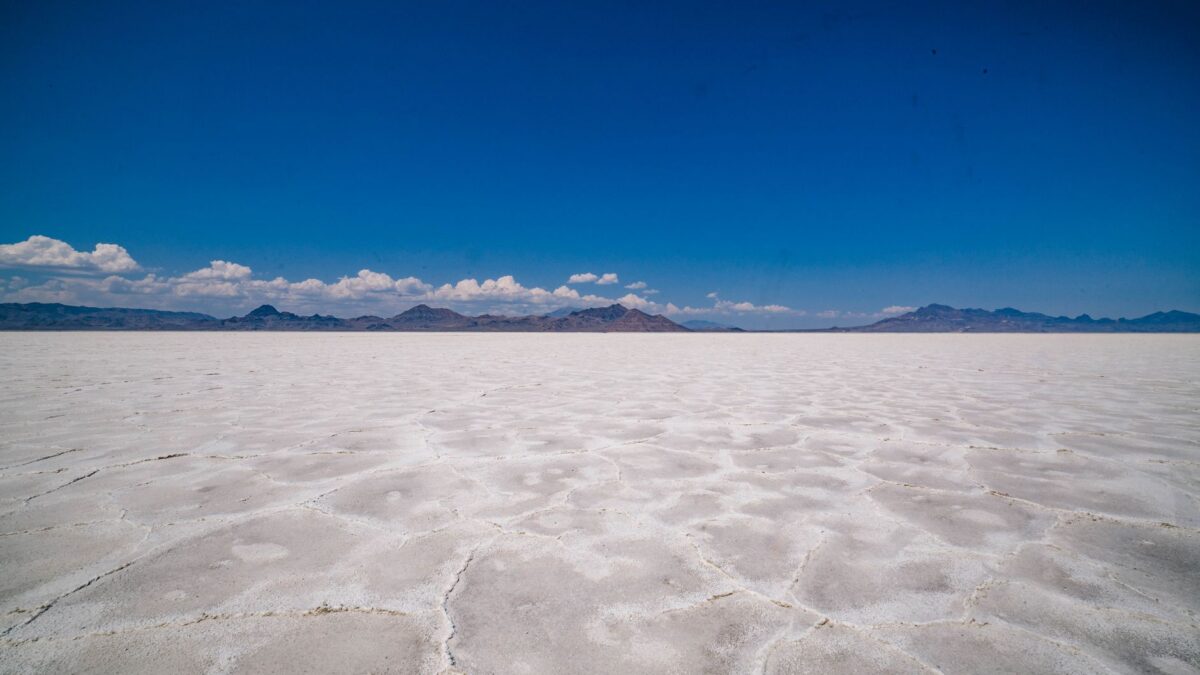
Death Valley National Park is best visited from November through March, when daytime highs are mild and hiking is comfortable. December and January have the coolest days and the coldest nights. February and March bring the best chance of wildflowers after a wet winter, along with the biggest crowds. Rain is rare, but when a storm hits, flooded roads can close parts of the park for days or longer.
What are the best months to visit Death Valley in winter?
November and March are the warmest of the comfortable months, with pleasant days and cool evenings. December and January are the coldest. Daytime temperatures at low elevations are usually mild, but nights can drop near freezing, and the higher areas are colder still. Telescope Peak, the park’s highest point, can hold snow, and roads to high viewpoints can be icy.
Holiday weeks, the Presidents’ Day weekend and spring break are the busiest times. Lodging inside the park fills early on those dates. Weekdays in early December and late January tend to be quieter.
What are the top sights in winter?
Most of the headline stops are short drives from the Furnace Creek area in the middle of the park:
- Badwater Basin, a vast salt flat at the lowest elevation in North America, with a short walk onto the salt.
- Zabriskie Point, a viewpoint over eroded golden badlands, popular at sunrise.
- Dante’s View, a high overlook above Badwater Basin with sweeping views of the valley floor and the Panamint Range.
- Artists Drive, a one-way scenic loop through multicolored hills.
- Mesquite Flat Sand Dunes, near Stovepipe Wells, best at sunrise or sunset for the long shadows.
- Golden Canyon and Mosaic Canyon, two of the easier hikes, with narrow walls and polished rock.
- Ubehebe Crater, a volcanic crater in the north end of the park, a long drive from Furnace Creek.
Winter is the pleasant season for the longer hikes, which are risky in summer heat. Death Valley is also an International Dark Sky Park, so the night sky is a sight on its own on clear evenings.
Where should you stay?
Inside the park, the main lodging areas are Furnace Creek and Stovepipe Wells, and Panamint Springs on the western side. Furnace Creek has the largest range of rooms, a visitor center, a general store and a gas station, which makes it the easiest base for first-time visitors. Reserve well ahead for winter weekends.
Campers can use several campgrounds near Furnace Creek, with some sites reservable through Recreation.gov in the cooler season and others first come, first served. Confirm which campgrounds are open and how to book on the park’s official page before you go, since the details change by season.
Outside the park, the towns of Beatty in Nevada, Pahrump in Nevada and Lone Pine in California offer motels at the park’s edges. Each adds a drive of an hour or more each way to the main sights, and distances inside the park are large.
What closes after storms?
Flash floods are the main hazard. Heavy rain falls on bare, steep ground and runs into washes and across roads in minutes, often leaving mud, rocks and washed-out pavement. Typical casualties include paved roads at low points, unpaved backcountry roads, and trailheads that depend on them. Roads that get washed out can stay closed for days or weeks while crews repair them, and large floods in past years have closed major routes much longer.
Four-wheel-drive roads are often the first to close, and they open again only after the park has checked them. Stay out of narrow canyons and washes when rain is forecast anywhere in the area, even if the sky above you is clear.
Before you drive, check the National Park Service page for Death Valley National Park for current road and weather alerts, and check the forecast at the National Weather Service. Cell service is limited, so download maps beforehand.
How do you plan the drive and the day?
Las Vegas is about two hours from Furnace Creek by car, and Los Angeles is roughly five hours. Gas is available inside the park at Furnace Creek, Stovepipe Wells and Panamint Springs, but prices are higher than outside it, so fill the tank before entering. Carry more water than you expect to need, even in cool weather.
Distances are long, so plan one or two areas per day. A sensible day starts at Zabriskie Point for sunrise, moves to Golden Canyon, then Badwater Basin, and ends at the dunes before dusk. If you are building a longer desert trip, the Joshua Tree National Park guide covers another winter-friendly stop, and the roundup of national parks in winter and which roads stay open compares more options. For other ideas, see winter vacations in the US.
Quick answers
Is Death Valley cold in winter?
Days are usually mild at low elevations, while nights can drop near freezing. Higher areas are colder and can have snow, so bring layers.
Do you need a reservation to enter?
Death Valley does not generally use timed entry, but lodging and some campgrounds fill up on busy winter weekends. Check the park’s official page for current rules and fees before you go.
How many days do you need?
One full day covers the main stops around Furnace Creek. Two or three days let you add Ubehebe Crater, the dunes and longer hikes without rushing.
Can you see wildflowers in Death Valley?
Sometimes. After a wet winter, flowers can bloom on the valley floor in February and March, but the show varies greatly from year to year.