Alien Throne and King of Wings Rock Formations Collapse in New Mexico
Two famous rock formations by the Ah-Shi-Sle-Pah Wilderness in New Mexico fell during weeks of storms. What happened and what visitors are asked to do now.
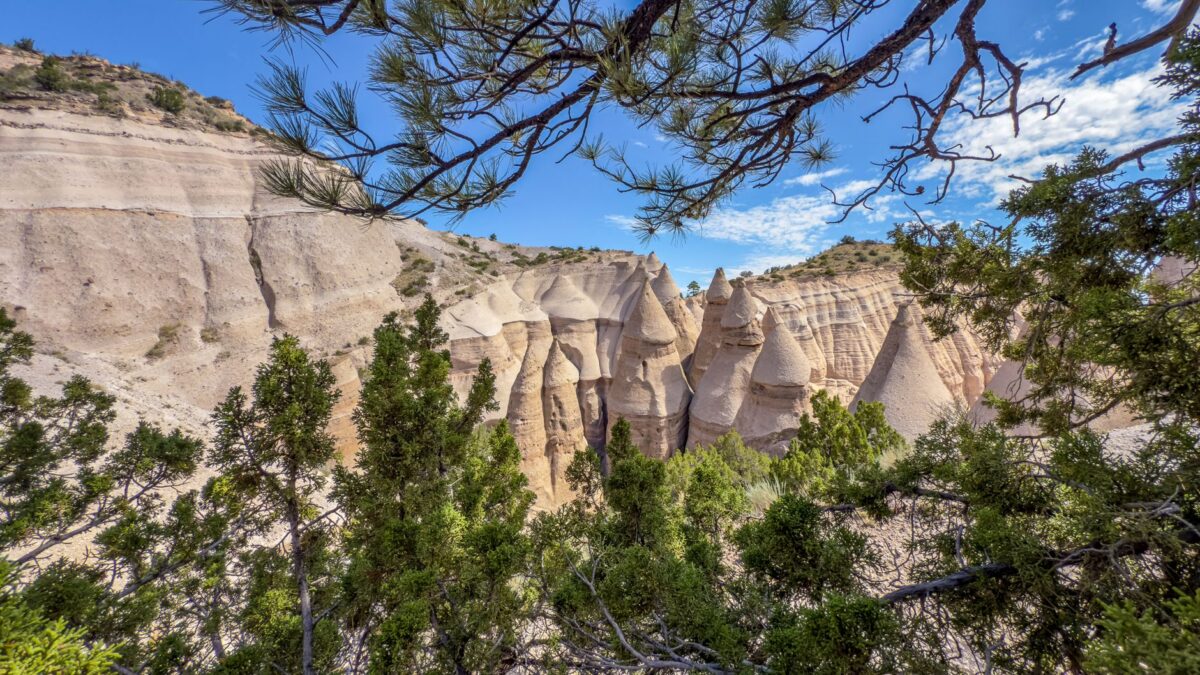
Two of the best-known rock formations in the badlands of northwestern New Mexico, the Alien Throne and the King of Wings, have collapsed within weeks of each other, according to The Associated Press. Both stood on the edge of the Ah-Shi-Sle-Pah Wilderness, a remote area that has drawn photographers and tour groups for years.
The falls came as the southwestern U.S. absorbed round after round of heavy rain on ground that was already soaked from an unusually wet fall. Travelers heading to the area now face badly damaged dirt roads, and the formations many came to see are gone.
How the two formations came down
The King of Wings went first. In early October, posts on social media showed its large slab of rock lying on the ground beside the clay mound that once held it up.
Nobody knows exactly when the Alien Throne fell. Kialo Winters, a Navajo tour guide and founder of Navajo Tours USA, told the AP that poor road conditions kept him away for a couple of weeks. When he came around a bend on Oct. 30, he found the formation in pieces. In the Navajo language it is called Tsé Bináká Níyol.
“It was surreal,” Winters told the AP, adding that he had to stop and take it in.
Formations like these are slabs of harder rock perched on narrow columns of softer clay. Wind and water carve them over long periods, and the same forces eventually bring them down. Alan Studt of Parma, Ohio, who visited in 2019 and again last April during a 50-day road trip, said his own photos showed the wear: new holes in the throne and cracks at the base of the wing.
Storms across the Four Corners region
Parts of New Mexico, Colorado, Utah and Arizona have seen rivers crest and floodwater rush through washes that are normally dry. The flooding destroyed homes, further saturated the soil and eroded the land.
Experts have estimated that more than 20 trillion gallons (75.7 trillion liters) of rain fell across the Four Corners states and Nevada in late October and early November, as tropical moisture streamed into the region, the AP reported. The water is now going down and cleanup has started. Officials estimate the damage could reach hundreds of millions of dollars.
On the Navajo Nation, Winters said, many dirt roads became impassable or washed out entirely after what he called a series of massive storm fronts. He is still worried about relatives who live there.
What it means for visitors
The site sits well off paved roads, reached by a rutted, washboard dirt track. With roads in the region damaged by flooding, getting there is harder than usual, and the two formations that drew many visitors no longer stand. Studt, who spent hours walking the hills and washes on his last trip, said the area still has spires, petrified wood and soils in many colors. “It is really so magical to be out there,” he said.
Winters asked people to let the sites rest. That means no climbing on what is left of the formations and no taking pieces home.
Why the formations matter to the Navajo
For Winters and other Native Americans from the region, the formations carried meaning beyond their looks. They served as waypoints that guided ancestors along trade routes for thousands of years, and they appear in stories passed down through generations. Winters said they are part of Navajo identity and that their memory will live on in photographs, drawings and the stories visitors tell.
Online, reactions ranged from people grateful they had photographed the formations to those who regretted never seeing them, along with condolences and debates about physics and how fragile such landmarks are.
Source: ABC News