Toccoa River Hits Record 18 Feet, Flooding Georgia-Tennessee Towns
Flash flooding swamped McCaysville, Georgia, and Copperhill, Tennessee, as the Toccoa River hit a record. Rescues, road risks and advisories explained.
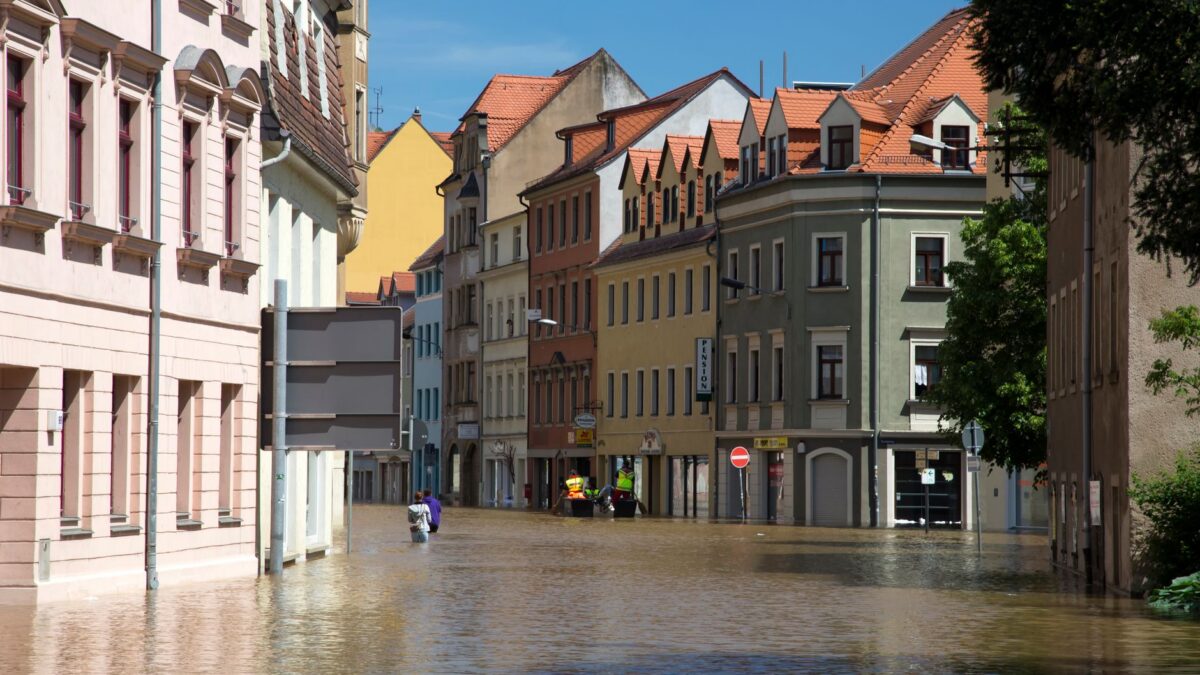
Overnight thunderstorms sent the Toccoa River to a record 18 feet on Thursday morning, flooding McCaysville, Georgia, and Copperhill, Tennessee, the twin towns that face each other across the river. Some downtown buildings were under water up to their rooflines, and boat crews pulled dozens of people from homes and cars, according to ABC News and The Guardian.
The storms dropped 3 to 5 inches of rain on the mountainous border area from late Wednesday into Thursday, ABC News reported. The National Weather Service called it “a particularly dangerous situation” and issued a flash flood warning that ran until mid-morning Thursday.
How high the Toccoa River rose
A river gauge in Copperhill recorded the 18-foot crest, ABC News reported. That reading was 2 feet higher than the level at which forecasters expect a catastrophic flood: water over the bridges, Copperhill and McCaysville cut off, and large evacuations.
McCaysville Police Chief Michael Earley told Fox5 Atlanta that water stood about 6-7 feet deep in the town’s downtown business district and covered rooftops in several places. He said one of his police cars was floating somewhere down the river. Earley told local station WSMV he had never seen flooding like it.
Both towns are small. About 1,000 people live in McCaysville, and Copperhill has fewer than 500 residents.
Rescue counts vary
Reports differ on how many people were rescued. Earley said crews carried out more than 30 rescues overnight. Robert Poole, a spokesperson for the Fannin County Emergency Management Agency on the Georgia side, put the number at about 20 and said no injuries or deaths had been reported. One local report later on Thursday morning informally counted more than 50 water rescues, The Guardian said.
Poole told WSMV that one crew was searching for a man who called in to say his car had been swept down a creek. Responders lost contact with him but later had an address and were working to reach him, Poole said. County resources were already stretched before the flooding began, he added, because lightning had started several structure fires at about the same time.
Georgia Gov. Brian Kemp said the state’s emergency management agency was leading a multi-agency response with aircraft and boats, working with local counties and Tennessee first responders. Game wardens from the Georgia Department of Natural Resources were helping with search and rescue in Fannin and Murray counties, according to county officials.
What it means for residents and drivers in the area
The water had started to go down by late Thursday morning, Poole said, and calls from stranded people had slowed. He said responders would probably use a helicopter and possibly drones for an aerial survey to look for anyone still needing help.
Officials warned that the danger had not passed. The Fannin County agency said on social media that floodwaters were still extremely dangerous and that conditions could keep getting worse after the rain stopped. The weather service listed low water crossings, small creeks and streams, highways, streets and underpasses among the places at risk, and noted that most flood deaths happen in vehicles.
Other effects reported Thursday:
- A boil water advisory was issued for McCaysville.
- Fannin and Gilmer county schools closed for the day because of hazardous roads.
- Copperhill officials issued evacuation warnings for some residents at 3am ET on Thursday.
Sources: The Guardian, ABC News