Trump Declares Oval Office and Cabinet Room a National Monument
Trump signed a proclamation making the Oval Office and Cabinet Room a national monument run by Interior. What it covers, its limits, and the D.C. arch vote.
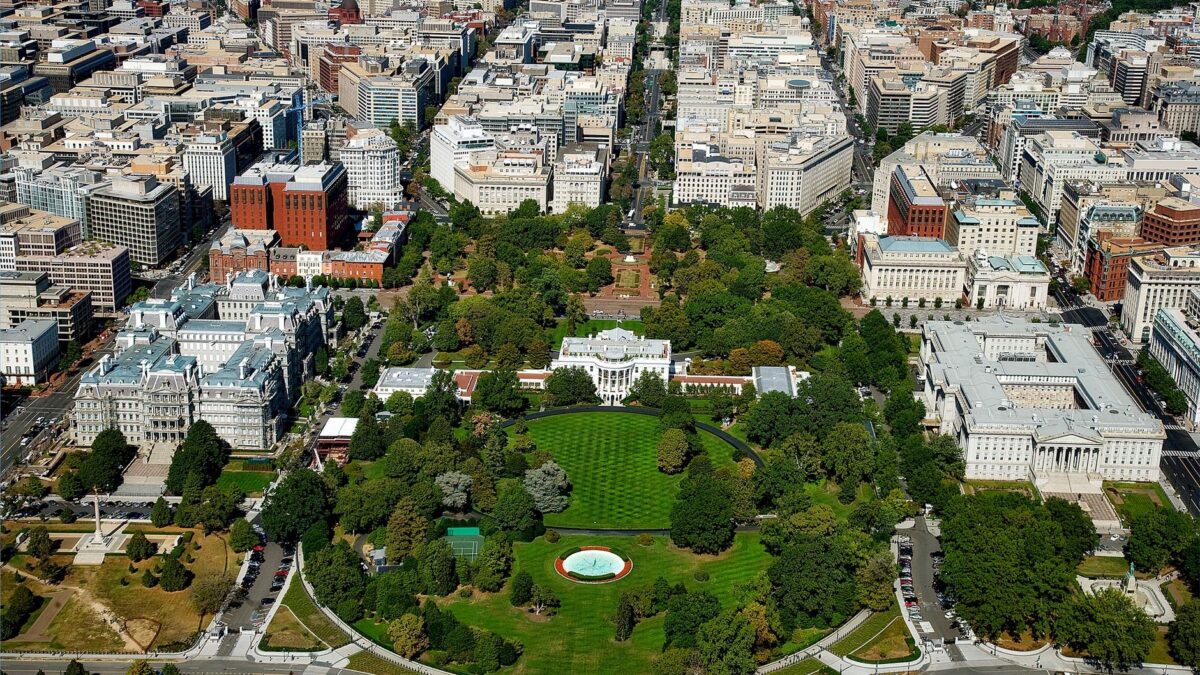
President Trump signed a proclamation on Thursday that makes the Oval Office and the Cabinet Room in the White House West Wing a national monument, according to CBS News and The Guardian. The order puts the Interior secretary in charge of managing the Oval Office and requires a formal review before anyone substantially alters or tears it down.
The designation has limits. CBS News reported that it does not stop a future president from redecorating the room, and a successor could reverse the proclamation itself. Mr. Trump has reversed national monument designations made by earlier presidents.
What the proclamation says
The text, released after the president spoke to reporters, requires documentation, review and a look at alternatives before any action that would substantially change or demolish the monument. It also leaves room for change. Per CBS News, nothing in it limits the president’s power to redecorate, choose furniture, or make routine operational and security changes, as long as they do not substantially harm the historic structure or the room’s architectural character.
Mr. Trump told reporters that major changes would need a review by Congress. CBS News noted that no such requirement appears in the document. Speaking in the Oval Office, he called the proclamation a way to make the rooms “a landmark for the ages,” according to The Guardian, and said he wanted to keep anyone from tearing the office down to rebuild it in another shape.
He did not say what specific threat he had in mind. He has faced several lawsuits claiming his Washington beautification projects went ahead without required approvals, CBS News reported.
What has changed inside the West Wing
Since returning to the White House, Mr. Trump has redone several rooms. In the Oval Office he has hung portraits, many in gold frames, added gold wall appliqués and other gold accents, and displayed a copy of the Declaration of Independence. He said new chandeliers went into the Cabinet Room to fix what he called “very bad lighting.”
Outside, his projects include demolishing the East Wing to make way for a $600 million ballroom and building a permanent granite helipad on the South Lawn, according to The Guardian. He also defended exterior repairs, citing cracked windows, damaged stonework and columns he said had been in poor shape.
What it means for the National Mall
The proclamation came during a week of announcements about landmarks that Washington visitors see. On Monday, Mr. Trump went to the Lincoln Memorial Reflecting Pool to talk about its renovation, which The Guardian put at $14 million and described as delayed. He blamed algae that had built up in the water on the previous administration. On Wednesday, he took reporters to watch the final beam go up at the ballroom construction site.
Late Thursday, the National Capital Planning Commission, the federal planning agency for the Washington region, gave final approval to a 250-foot triumphal arch. It would stand between the Lincoln Memorial and Arlington National Cemetery. The commission voted 8-4 after almost 9 hours of public comment from members of Congress, veterans, architects, and residents of Washington, D.C., and Virginia, CBS News reported. CBS News also described the commission as stacked with Trump allies.
What happens next
A federal judge is considering whether to temporarily block construction of the arch, according to CBS News.
The Interior secretary now oversees the room under the order, and any plan to substantially alter it would first go through the review the proclamation sets out.
Sources: CBS News, The Guardian