15 Best Waterfalls in the US: Seasons, Access and Permits
From roadside overlooks to a 10-mile hike into Havasu Canyon: 15 waterfalls compared by state, season, access and the permits some of them require.
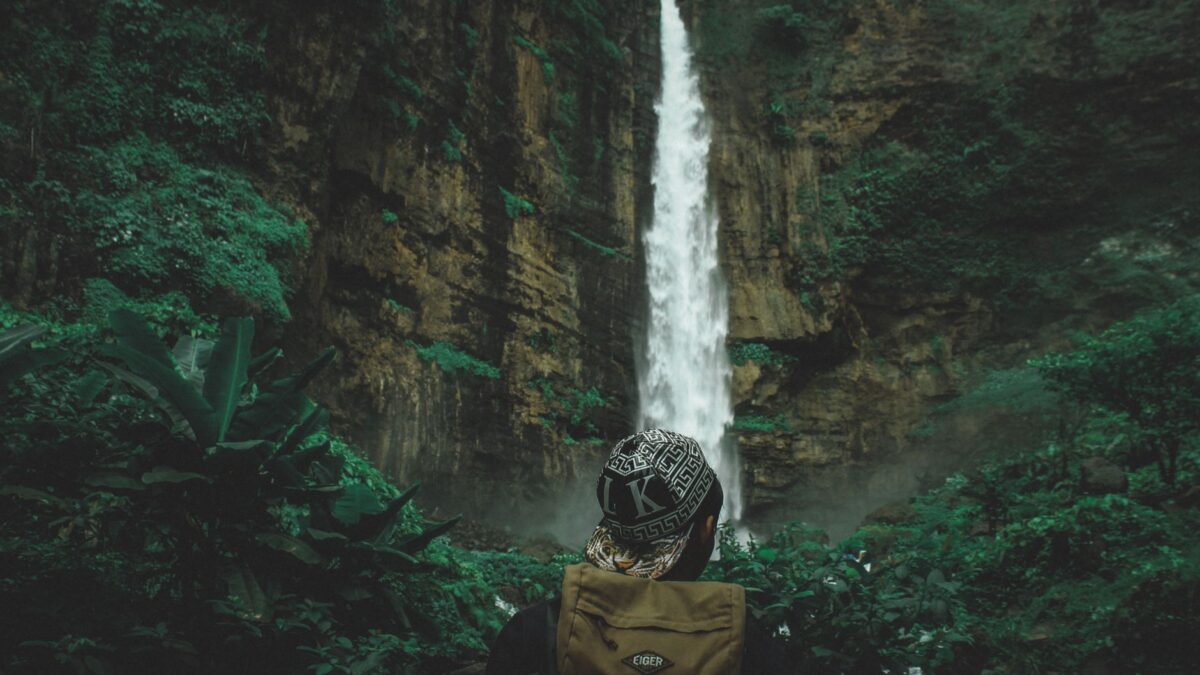
The best waterfalls in the US include Yosemite Falls in California (2,425 feet, best in May), Niagara Falls in New York, Multnomah Falls in Oregon, Havasu Falls in Arizona and the Lower Falls of the Yellowstone in Wyoming. Most western falls peak with snowmelt from April to June, while eastern falls run strongest in spring. A few, such as Havasu and Multnomah in summer, need a permit as of November 2026.
The list below mixes roadside viewpoints with hikes, so you can match a waterfall to your trip, your season and how far you want to walk. Heights are approximate and refer to the total drop.
What are the 15 best waterfalls in the US?
| Waterfall | State | Height | Best season | Access |
|---|---|---|---|---|
| Yosemite Falls | California | 2,425 ft (three sections) | April–June; peak in May | Easy: short loop to Lower Yosemite Fall; strenuous trail to the top |
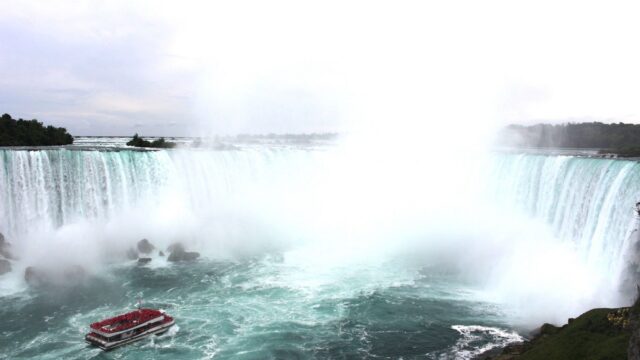
| Niagara Falls | New York | Three falls on the Niagara River | Year-round; boat tours in the warm months | Easy: paths in Niagara Falls State Park |
| Multnomah Falls | Oregon | 620 ft (two tiers) | Winter and spring for flow | Easy to the bridge; summer timed permit for the I-84 lot |
| Havasu Falls | Arizona | About 100 ft | Spring and fall | Hard: about 10 miles one way to the campground; 3-night permit |
| Lower Falls of the Yellowstone | Wyoming | 308 ft | Late May–June for flow; summer for road access | Easy viewpoints; steep trails to the brink |
| Shoshone Falls | Idaho | 212 ft | April–June, before irrigation lowers the river | Easy: city park viewpoints in Twin Falls |
| Palouse Falls | Washington | 198 ft | Spring | Easy viewpoint in a state park |
| Snoqualmie Falls | Washington | 268 ft | Winter and spring | Easy: overlook about 30 miles east of Seattle |
| Burney Falls | California | 129 ft | Year-round; spring-fed | Easy: short loop in a state park |
| ʻAkaka Falls | Hawaii (Big Island) | 442 ft | Year-round; strongest after rain | Easy: short paved loop |
| Waimoku Falls | Hawaii (Maui) | About 400 ft | Year-round; strongest after rain | Moderate: Pipiwai Trail, about 4 miles round trip |
| Tahquamenon Falls | Michigan | Upper Falls about 50 ft high and over 200 ft wide | Spring melt and fall color | Easy: boardwalks and stairs |
| Cumberland Falls | Kentucky | About 68 ft high, 125 ft wide | Spring; full-moon nights for the moonbow | Easy: paved overlooks |
| Fall Creek Falls | Tennessee | 256 ft | Spring and fall | Easy overlook; steep trail to the base |
| Amicalola Falls | Georgia | 729 ft | Spring and fall | Moderate: long staircase or short walk from the upper lot |
When do Yosemite’s waterfalls flow best?
Yosemite’s waterfalls flow best in spring, with peak snowmelt usually in May or June; Yosemite Falls peaks in May. By August, Yosemite Falls is often a trickle or completely dry, and it typically runs again from about November.
- Yosemite Falls: 2,425 feet in three parts: Upper Fall (1,430 feet), the middle cascades (675 feet) and Lower Fall (320 feet).
- Winter: an ice cone can build at the base of the upper fall.
- February: Horsetail Fall can glow orange at sunset in mid- to late February, and viewing restrictions may apply.
See the park’s waterfalls page for flow updates, and our Yosemite National Park guide for entry rules, lodging and how many days to plan.
Which US waterfalls need a permit or reservation?
Havasu Falls always requires an advance booking, and Multnomah Falls requires a timed parking permit at its I-84 lot in summer. Most other falls on this list need only an entrance or parking fee.
| Waterfall | What you need (as of Nov 2026) |
|---|---|
| Havasu Falls | A Havasupai booking of 4 days and 3 nights; 2026 campground permits cost $455 per person. Day hiking without a booking is not allowed. |
| Multnomah Falls | A $2 timed-use permit on Recreation.gov for the I-84 lot, 9 a.m.–6 p.m., May 22–September 7 in 2026 |
| Lower Falls of the Yellowstone | Yellowstone entrance fee; nonresidents 16 and older pay an extra $100 per person in 2026 unless they hold a nonresident pass |
| Yosemite Falls | Yosemite entrance fee; no entry reservation was required in 2026, and 2027 rules are not yet announced, so check the park before you go. The same $100 nonresident fee applies |
| Waimoku Falls | Haleakalā National Park entrance fee |
| Palouse Falls | Washington Discover Pass for vehicles |
| Tahquamenon Falls | Michigan Recreation Passport or a nonresident park permit |
| ʻAkaka Falls | Nonresident entry and parking fees at the state park |
Havasu permits are not transferable or resold, and refunds are limited; read the rules on the official Havasupai reservations page before booking. Multnomah’s permit details are in our Oregon natural wonders guide.
Which waterfalls can you see without a hike?
Niagara, Snoqualmie, Shoshone, Palouse, Burney, ʻAkaka, Cumberland and Tahquamenon Falls are all a short walk from parking. They suit families, travelers with limited mobility and road trips with little time.
- Niagara Falls: walk across to Goat Island and Terrapin Point, or get close on the Cave of the Winds walkways and Maid of the Mist boat in season. Comparing sides? Read Niagara Falls US side vs Canadian side.
- Snoqualmie Falls: an easy stop on the way from Seattle to the Cascades.
- Shoshone Falls: go in spring; in late summer, irrigation diversions can reduce it to a fraction of its spring flow.
- Burney Falls: fed by underground springs, so it flows even in dry summers.
- Cumberland Falls: on clear nights near a full moon, a moonbow can form in the spray.
Which waterfalls are worth a longer hike?
Havasu Falls, the top of Upper Yosemite Fall and Waimoku Falls are the best rewards for a real hike, and Fall Creek Falls and Amicalola Falls offer shorter but steep options.
- Havasu Falls: 8 miles from Hualapai Hilltop to Supai Village, then about 2 more miles to the falls and campground, with a big climb on the way out.
- Upper Yosemite Fall Trail: a steep, all-day climb of about 2,700 feet to the top of Yosemite Falls.
- Waimoku Falls: the Pipiwai Trail passes a giant banyan tree and a bamboo forest on the way to a 400-foot cliff of falling water.
- Fall Creek Falls: a short, steep trail drops to the base of the 256-foot fall.
- Amicalola Falls: a long staircase climbs beside Georgia’s tallest waterfall.
When is waterfall season in each region?
Waterfall season follows snowmelt in the West and spring rain in the East; Hawaii’s falls run year-round and swell after storms.
| Region | Best months | Why |
|---|---|---|
| Sierra Nevada and Rockies | May–June | Peak snowmelt |
| Pacific Northwest | November–June | Rain and snowmelt; many falls shrink in late summer |
| Desert Southwest | Spring and fall | Comfortable hiking; summer is hot with flash flood risk |
| Northeast and Great Lakes | April–May; late September–October for color | Snowmelt and fall foliage |
| Southeast | March–May | Spring rain; summer flows often drop |
| Hawaii | Year-round | Rain feeds the falls in every season |
How do you stay safe at waterfalls?
Stay behind railings, off wet rocks and out of the water above any waterfall, because the current is stronger than it looks and slippery rock has caused fatal falls at popular waterfalls. Spray makes nearby paths slick, even on paved trails.
- Do not climb on or around barriers for photos.
- Never swim above a waterfall or in fast water at its base during high flow.
- In slot canyons and desert washes, watch the forecast for flash floods.
- On long hikes such as Havasu or Upper Yosemite Fall, carry enough water and start early in hot weather.
Bottom line
For one unforgettable waterfall, see Yosemite Falls in May or Niagara Falls any time of year. Plan Havasu months ahead with a 3-night booking, get a Multnomah Falls permit for summer parking, and time western falls for April–June snowmelt and eastern falls for spring.
FAQ
What is the tallest waterfall in the US?
Yosemite Falls, at 2,425 feet in three sections, is often listed as the tallest in the contiguous United States and is among the tallest in North America. Some remote falls in Hawaii and Alaska are reported as taller but are hard to measure or reach.
Can you visit Havasu Falls as a day hike?
No. All visits require a booking made before arrival, and every booking is 4 days and 3 nights.
Are Niagara Falls free to visit?
Yes, on the US side. Niagara Falls State Park has no entry fee and is open every day, though parking, boat rides and attractions cost extra.
What month is best for waterfalls?
May is the best single month in most of the country, with strong snowmelt in the West and spring flow in the East. Hawaii’s falls are good year-round.