Clearest Water Beaches in the US and When the Water Is Clearest
From Dry Tortugas and Destin to Hanauma Bay and northern Lake Michigan, where to find see-through water, which months are best and how to pick a calm day.
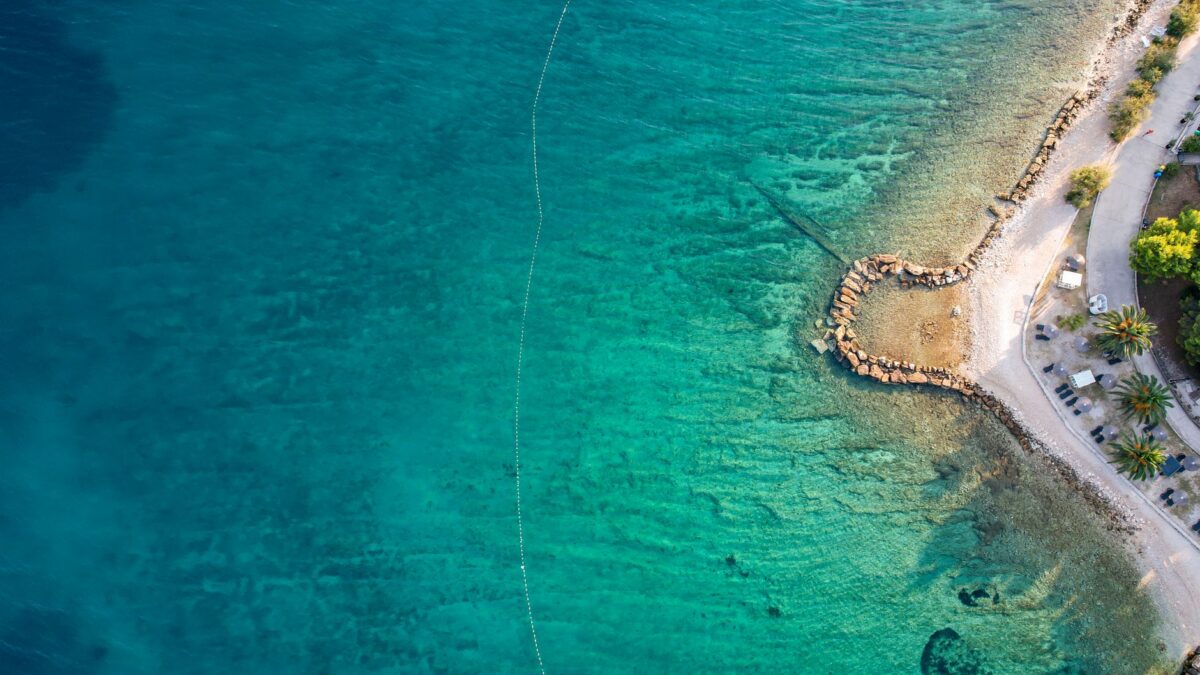
The clearest beach water in the US is found in the Florida Keys and Dry Tortugas, on the Florida Panhandle between Pensacola and Panama City Beach, in Hawaii at protected bays such as Hanauma Bay, and on the upper Great Lakes, where Lake Michigan and Lake Superior can look tropical on calm days. Water is clearest after several days of light wind: typically spring and early fall on the Gulf coast, summer on Hawaii’s north shores and July to August on the Great Lakes.
Below is where to go, when the water is at its clearest, the rules and fees that apply, and how to pick the right day.
Where is the clearest beach water in the US?
Clear water needs calm seas, little runoff and a bright, sandy or rocky bottom. These beaches and areas consistently deliver it.
| Beach or area | State | Water | Clearest months | Good to know |
|---|---|---|---|---|
| Dry Tortugas National Park | FL | Open Gulf waters, coral reef | April–June, on calm days | Ferry or seaplane only; $15 entrance fee |
| Bahia Honda State Park | FL (Keys) | Atlantic and Gulf sides | Spring and early summer | Sandy beaches with gentle entry |
| Destin and Henderson Beach | FL (Panhandle) | Gulf | April–May, September–October | White quartz sand, emerald-green water |
| St. Andrews State Park | FL (Panhandle) | Gulf and a jetty lagoon | Spring and fall | Calm lagoon for snorkeling near the jetties |
| Hanauma Bay Nature Preserve | HI (Oahu) | Protected reef bay | Year-round, best on calm mornings | Reservations for nonresidents; closed Mon–Tue |
| North shore bays of Kauai and Maui | HI | Pacific reef | May–September | Winter surf makes them rough and murky |
| Sleeping Bear Dunes and northern Lake Michigan | MI | Fresh water | July–August | Cold even in summer; $25 per vehicle park fee |
| Pictured Rocks shoreline | MI | Lake Superior | July–August | Very cold water; best seen from beaches or by boat |
| Sand Harbor, Lake Tahoe | NV | Alpine lake | June–September | Day-use reservations in summer |
What makes beach water look so clear?
Water looks clear when little is suspended in it and light bounces off a pale bottom. Four factors matter most:
- Calm conditions: waves and wind stir up sand, so even the best beaches turn cloudy after a storm.
- Low runoff: rivers carry sediment and nutrients; beaches far from river mouths stay clearer.
- A bright bottom: the Panhandle’s fine white quartz sand, largely carried down from the Appalachians by rivers over long periods, reflects sunlight and gives the water its emerald tone.
- Few plankton: algae blooms, red tide and seaweed influxes reduce clarity. In Lake Michigan, invasive zebra and quagga mussels have filtered so much plankton since the 1990s that the water has become noticeably clearer, a change that has also disrupted the lake’s food web.
When is the water clearest in Florida?
On the Florida Panhandle, the clearest water usually comes in spring (April–May) and early fall (September–October), on days after a calm spell. Summer can be beautiful too, but afternoon thunderstorms, onshore winds and seaweed can cloud it. Check daily: a red flag means dangerous surf, and murky water is common for a day or two after strong wind.
In the Florida Keys, winter cold fronts bring wind that stirs the shallows, so late spring and early summer often have the calmest, clearest conditions. The reefs offshore are clearer than most beaches, which is why snorkel trips head out by boat.
Dry Tortugas National Park, about 70 miles west of Key West, has some of the clearest water in the country. It is reached only by the park’s ferry concession, seaplane or private boat. The entrance fee is $15 per person, valid for seven days, and is included in ferry tickets, according to the Dry Tortugas fees page. Ferry seats sell out weeks ahead in spring.
The Atlantic hurricane season runs June 1 to November 30. Tropical systems can churn up the water for days, so leave flexibility in late-summer plans.
When is the water clearest in Hawaii?
In Hawaii, which side of the island you choose matters more than the month. North-facing shores are usually calm and clear from about May to September and get big surf in winter. South-facing shores can get summer swells. On any day, mornings are typically calmer than afternoons, before trade winds build.
Hanauma Bay rules
Hanauma Bay on Oahu is a protected marine preserve run by the City and County of Honolulu. As of November 2026, it is open Wednesday through Sunday and closed on Mondays and Tuesdays. Nonresidents age 13 and up pay $25 and need an online reservation, released two days ahead at 7 a.m. Hawaii time; slots sell out fast. Residents with ID can enter without a reservation. Check the Hanauma Bay official page for hours and closures before you go.
Hawaii law bans the sale of sunscreens containing oxybenzone and octinoxate to protect coral reefs, so bring a mineral sunscreen. Do not touch or stand on coral, and keep your distance from sea turtles and monk seals.
Are the Great Lakes really that clear?
Yes. On calm summer days, the water off northern Lake Michigan and along Lake Superior’s shore is clear enough to see the bottom several feet down, with turquoise color over sand. The catch is temperature: Lake Superior stays cold even in August, and Lake Michigan’s northern beaches can feel chilly after a wind shift brings cold water up from the depths.
Sleeping Bear Dunes National Lakeshore charges $25 per vehicle for seven days as of November 2026. The Great Lakes produce dangerous rip and structural currents, especially near piers, and drownings happen every year. Swim at guarded beaches when possible and read the National Weather Service rip current advice.
Lake Tahoe’s Sand Harbor, on the Nevada shore, is a freshwater alternative with granite boulders and very clear water. It has required day-use reservations in the summer season since 2025. For more freshwater options, see our list of the best lake vacations in the US.
How do you find the clearest water on the day?
- Check the wind forecast. Light winds, or winds blowing from land to sea, usually mean calmer, clearer water.
- Read the National Weather Service surf zone forecast for rip current risk and wave height.
- Look up local water quality advisories; state health departments post bacteria results for many beaches.
- Go early. Morning water is often calmer and less stirred up by swimmers and boats.
- Choose protected spots, such as bays, lagoons and the lee side of jetties or islands, when the open beach is rough.
Bottom line
For the clearest water in the continental US, go to the Florida Keys, Dry Tortugas or the Panhandle in spring or early fall. For reef snorkeling, Hawaii’s protected bays are the safest bet, with north shores best in summer. And for a surprise, try northern Lake Michigan in July or August, as long as you do not mind cold water. Plan details for the Keys in our Florida Keys guide or compare two Panhandle favorites in Gulf Shores vs Destin.
FAQ
Which US beach has the clearest water?
Dry Tortugas National Park and the outer Florida Keys usually have the clearest water of any US beaches. In Hawaii, protected bays such as Hanauma Bay rival them on calm days.
Is the water in Destin clear all year?
No. Destin’s water is often clearest in spring and early fall. It turns cloudy after storms and strong onshore winds at any time of year, and seaweed or algae can affect it in summer.
When is Hanauma Bay closed?
Hanauma Bay is closed every Monday and Tuesday, as of November 2026, and may close on some holidays or for maintenance. Check the city’s official page before booking.
Can you snorkel in Lake Michigan?
Yes. On calm days the water is clear enough to see sand ripples, rocks and even shipwrecks in some protected areas. A wetsuit makes it far more comfortable, since the water is cold. For a Hawaii trip with snorkel days, see our 7-day two-island Hawaii itinerary.