DC Cherry Blossoms: When Peak Bloom Happens and Where to See It
Peak bloom is a single day, so timing matters. Here is how the Park Service forecast works, where the trees are, and how to see them without the worst crowds.
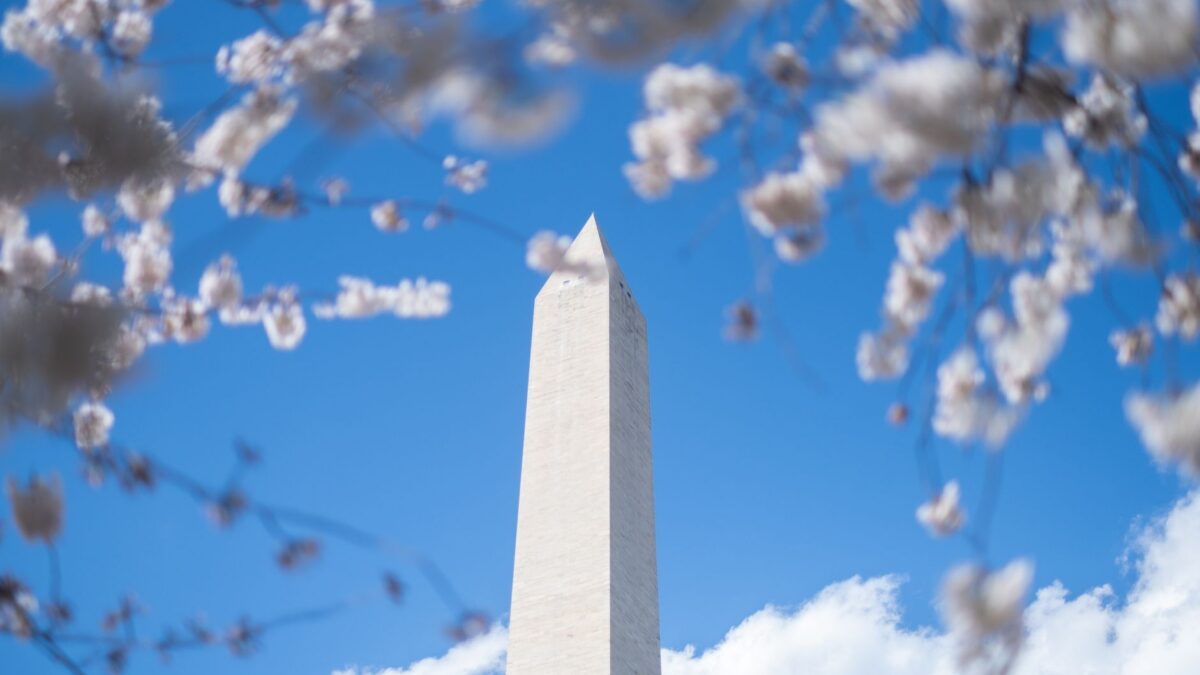
Washington, DC’s cherry blossoms reach peak bloom, the day 70% of the Yoshino blossoms around the Tidal Basin are open, most often between the last week of March and the first week of April. The National Park Service recorded peak bloom on March 26 in 2026 and March 28 in 2025. The 2027 National Cherry Blossom Festival runs March 20 to April 11, 2027.
Peak bloom is a single day, but the trees look full for several days around it, and a second wave of pink double blossoms follows about two weeks later. Below are the past peak dates, how the forecast works, where the trees are, and how to see them without fighting the biggest crowds.
When do the DC cherry blossoms reach peak bloom?
Peak bloom usually lands between late March and early April, and in recent years it has leaned toward March. Nine of the last 11 peaks, from 2016 through 2026, fell in March. The earliest peak on the National Park Service record is March 15, 1990, and the latest is April 18, 1958.
| Year | Peak bloom date (Tidal Basin Yoshino trees) |
|---|---|
| 2026 | March 26 |
| 2025 | March 28 |
| 2024 | March 17 |
| 2023 | March 23 |
| 2022 | March 21 |
| 2021 | March 28 |
| 2020 | March 20 |
| 2019 | April 1 |
| 2018 | April 5 |
| 2017 | March 25 (a March 14–16 frost destroyed about half the blossoms) |
| 2016 | March 25 |
Source: National Park Service Bloom Watch. For 2027, the safest planning window is roughly March 20 to April 5, with flexible days built in.
How does the National Park Service predict peak bloom?
National Park Service horticulturists track the Yoshino buds through six stages and announce each one as the trees move toward peak. The stages are:
- Green buds appear on the branches.
- Florets visible: tiny flower clusters show inside the buds.
- Extension of florets: the clusters push out of the bud.
- Peduncle elongation: the stems of the flowers lengthen.
- Puffy white: the blossoms swell and show color but have not opened.
- Peak bloom: 70% of the Yoshino blossoms are open.
The Park Service says forecasting peak bloom more than about 10 days ahead is almost impossible, because the timing depends on the weather. A first forecast usually comes out in early March and is then adjusted as the buds develop. Cool, calm weather can keep the blossoms on the trees for several days after peak. Rain and wind can end the show abruptly, and a hard frost after the buds open can wipe out much of the bloom, as it did in 2017.
When is the National Cherry Blossom Festival in 2027?
The 2027 National Cherry Blossom Festival runs March 20 to April 11, 2027, according to the festival organizers. The festival traces its start to 1927 and is billing 2027 as the beginning of its centennial celebration, so expect bigger events and heavier crowds than usual.
Signature events listed by the organizers include the Opening Ceremony, the Blossom Kite Festival, Petalpalooza at Navy Yard, the National Cherry Blossom Festival Parade and BloomFest at the Tidal Basin. Exact dates for each event are posted on the festival’s own site in the months before spring. The festival dates are fixed in advance; the bloom is not, so peak bloom can come early or late in the festival window.
Where are the best places to see the cherry trees?
The National Park Service counts about 3,800 cherry trees in the park, and Yoshino trees make up roughly 70% of them. Most Yoshinos ring the Tidal Basin and spill onto the Washington Monument grounds. Kwanzan trees, with heavy clusters of pink double blossoms, bloom about two weeks after the Yoshinos and grow mainly in East Potomac Park.
| Spot | Main trees | Best for | Notes |
|---|---|---|---|
| Tidal Basin loop | Yoshino | The classic views with the Jefferson Memorial | Busiest spot; about 2 miles around, with the MLK and FDR memorials on the route |
| Washington Monument grounds | Yoshino | Blossoms framed with the monument | Slopes north of the Tidal Basin; a little less packed |
| East Potomac Park and Hains Point | Kwanzan and others | Late bloom, quieter walks and bike rides | Kwanzan peak typically about two weeks after the Yoshino peak |
| West Potomac Park riverfront | Yoshino and others | River views near the Lincoln Memorial | New seawall and young replacement trees |
The Park Service rebuilt the aging seawalls around the Tidal Basin and along the Potomac River in West Potomac Park, and the walkways reopened in spring 2026. Hundreds of trees removed for the work were replaced, including young cherry trees, so a few stretches will look thinner for several years while the new trees fill out. The Park Service’s guide to the tree types shows which varieties bloom when.
How can you avoid the worst crowds?
Go early in the morning on a weekday. Sunrise at the Tidal Basin is the quietest and coolest time, and the light on the Jefferson Memorial is soft. Weekend afternoons during peak bloom are the most crowded.
- Skip the car. Parking near the Tidal Basin is very limited during the bloom. The Smithsonian Metro station on the Blue, Orange and Silver lines is the usual walking start point, about 15 minutes from the Tidal Basin.
- Bike or walk the outer areas. East Potomac Park and Hains Point are flat and spread the crowds out.
- Aim for the Kwanzan wave. If you miss the Yoshino peak, the Kwanzan trees in East Potomac Park bloom roughly two weeks later with far fewer visitors.
- Check the stage before you go. The Park Service posts bloom updates on its Bloom Watch page and social media.
Help protect the trees: the Park Service asks visitors not to pick blossoms or climb on branches. Drones are not an option either, because the airspace over central Washington is restricted.
How should you plan a trip around peak bloom?
Book a refundable room for a 7- to 10-day window from about March 20 to early April, then shorten it once the forecast is out. Hotels in Washington fill up and raise prices during peak weeks, so reserve early and keep the cancellation deadline in mind.
Build the rest of the trip around things that do not depend on the bloom. The Smithsonian museums on the National Mall are free, and a few days in Washington pair easily with New York by train, as in our 5-day New York and Washington DC itinerary. If you are choosing between several spring trips, our guide to where to go in March in the US compares other places that peak at the same time.
Weather in late March can swing from warm sun to chilly rain within a day. Pack layers and a light rain jacket, and check the forecast from the National Weather Service before you head out.
Bottom line
Plan for peak bloom in the second half of March or the first days of April, keep your dates flexible until the Park Service forecast tightens in March, and see the Tidal Basin at sunrise on a weekday. If you miss the Yoshino peak, the Kwanzan trees in East Potomac Park give you a second chance about two weeks later. The 2027 festival, its centennial year, runs March 20 to April 11.
FAQ
How long do the DC cherry blossoms last?
Yoshino blossoms usually stay near full for several days around peak bloom. Cool, calm weather stretches the display, while rain, wind or a late frost can shorten it to a few days.
When will the 2027 peak bloom forecast come out?
The National Park Service usually issues its first forecast in early March. It refines the date as the buds pass through the six bloom stages, and it says reliable forecasts are rarely possible more than about 10 days ahead.
Is it free to see the cherry blossoms?
Yes. The Tidal Basin, the Washington Monument grounds and East Potomac Park are open public parkland with no entrance fee. Some festival events, such as ticketed concerts or parade seating, cost money.
Where can I see cherry blossoms after peak bloom?
Head to East Potomac Park, where most of the Kwanzan trees grow. They bloom about two weeks after the Yoshino trees and carry fuller, pinker double blossoms.