TSA PreCheck Touchless ID Now Open at More Than 60 US Airports
TSA PreCheck Touchless ID lanes now run at more than 60 US airports. See who can use them, how to opt in and why airline and terminal matter.
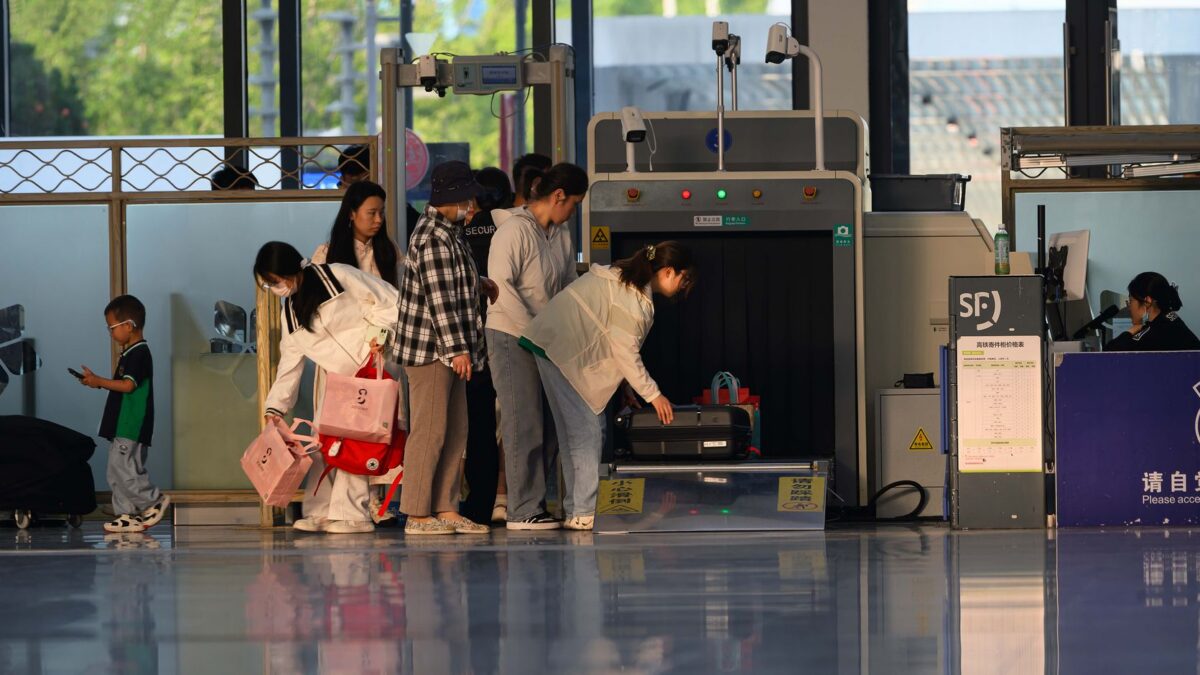
The Transportation Security Administration has expanded its TSA PreCheck Touchless ID program to more than 60 airports nationwide, according to The Points Guy. Eligible travelers who sign up in advance can pass the first stage of the checkpoint without pulling out a boarding pass or ID.
Access depends on three things: PreCheck status, an opt-in through the airline, and whether the airline and terminal at a given airport take part. The expansion came over the last few months, just ahead of the busy holiday travel period.
How does Touchless ID work?
The lanes use facial comparison technology. A traveler’s picture is taken on approach to the TSA officer, and TSA computers compare it with a passport photo on file. The Points Guy reports that the lanes are typically marked with blue-and-green signage and that the experience is often faster than any other security lane, including Clear.
Who can use the lanes?
TSA PreCheck members can use them, as can travelers who get PreCheck through Global Entry. Both groups must opt in first.
How do travelers opt in?
Opting in happens in the airline’s frequent flyer profile. Travelers upload an image of their passport and consent to the facial identification program. The Points Guy’s reporter described the steps in the United Airlines app: open “TSA PreCheck and travel documents,” select “TSA PreCheck Touchless ID,” add a passport photo, then complete a couple of consent pages.
The five largest U.S. airlines now partner with the TSA on the program. The Points Guy lists American, Delta, United, Southwest and Alaska, using TSA data, for airports including Atlanta, Boston Logan, Denver, Los Angeles, Chicago O’Hare, Seattle-Tacoma and many medium-sized and smaller airports.
Why does it matter? Not every airline or terminal is covered
A traveler can use the lanes only if the airline partners with the service at that specific airport and the traveler has opted in with that carrier. At some airports one airline participates and another does not. The Points Guy says this typically happens because the TSA technology is installed in only certain terminals.
The reporter’s home airport, Raleigh-Durham International (RDU), is an example. The lanes are open in Terminal 2 for American, Delta and United passengers. Alaska and Southwest do not offer the service there because the technology is not available in the smaller terminal where they operate.
The airport list also shows gaps by airline. John F. Kennedy International in New York, Dallas Love Field, Chicago Midway and Westchester County Airport in New York each have only two airlines marked as participating.
Do travelers still need a physical ID?
Yes, according to The Points Guy. Travelers should bring a Real ID or an acceptable alternative such as a passport even after opting in. The reporter said technology can malfunction, or another problem can lead officers to ask for a valid ID.
What should travelers check before flying?
The Points Guy’s list is sourced to TSA.gov and reflects availability as of November 2026. Travelers can confirm that their airline, airport and terminal participate, and check their airline profile for the opt-in, before heading to the airport.
For travelers planning a trip around a national park visit, the site’s guide to national parks for first-time visitors, with airports and days covers nearby airports.
Source: The Points Guy