SS United States Sinks Off Destin to Become Largest Artificial Reef
The SS United States went down in the Gulf of Mexico off Destin on Nov. 11. Okaloosa County says it is now the world's largest artificial reef for divers.
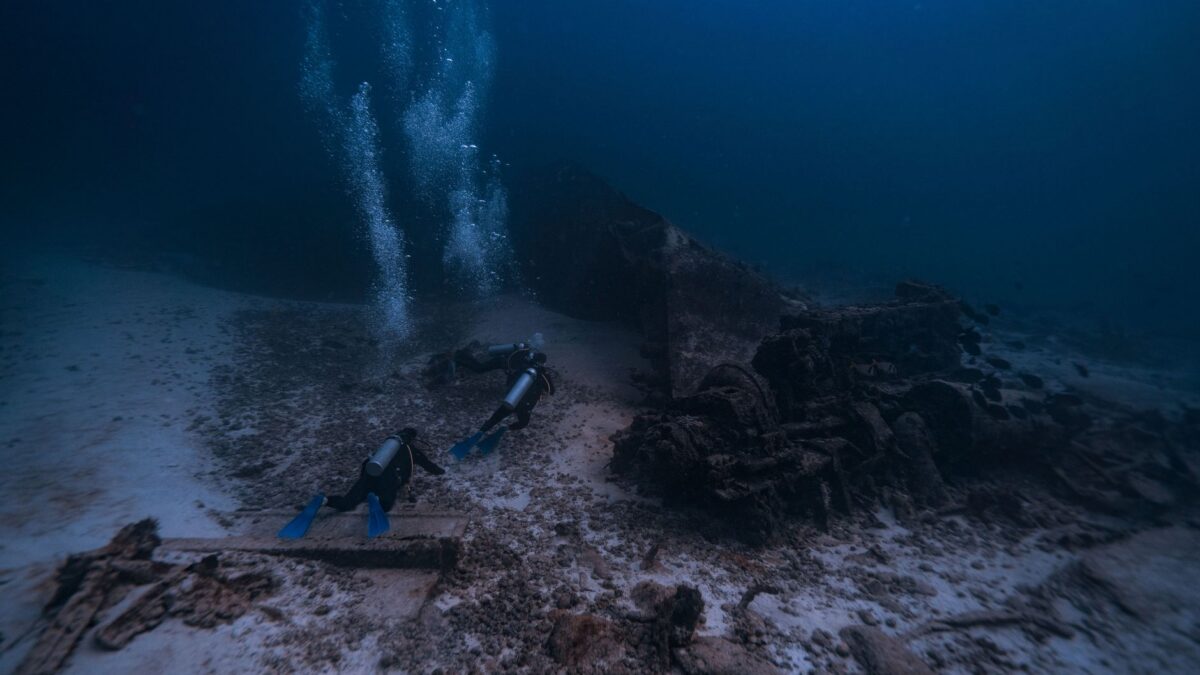
The SS United States, a historic ocean liner, was deliberately sunk in the Gulf of Mexico off Florida’s Panhandle on Wednesday, Nov. 11, to become the world’s largest artificial reef, according to Okaloosa County. Outside reports that the ship went under at 8:59 p.m. Central time, about twenty-two nautical miles southwest of Destin. CBS News puts the site at about 20 nautical miles off the coast, so the reports differ slightly.
Divers cannot visit yet. Safety divers must clear the site first, and Outside says the date recreational divers get access has not been announced.
How the sinking went
The operation was planned for 1 p.m. and slipped to nearly 5 p.m. because of last-minute preparations. Outside’s writer, watching from a nearby boat, says every valve was open by 4:45 and that the ship then took about four more hours to go down, tilting to its port side. The Guardian, citing the county, says it took around five hours. CBS News says no explosives were used.
Reports also differ on the ship’s length. Outside gives 990 feet and CBS News says 1,000 feet. The vessel took the transatlantic speed record on its first voyage in 1952, and CBS says that record still stands.
Where it sits and who can dive it
The ship rests in about 180 feet of water. The county says its top deck is at roughly 55 to 60 feet, reachable by divers of all certification levels, which Outside describes as an Open Water certification. Early sonar scans suggest the ship landed upright. Deeper levels need more training, and Outside says the lower decks are for technical divers with decompression and trimix training. Charter operators set their own requirements.
Niuhi Dive Charters says divers from around the world have already signed up and hopes to head out as soon as Friday. ScubaTech Destin runs daily Gulf charters aboard the Sea Cobra. Destin is the closest launch point, and Outside advises planning on a full day offshore.
Why it matters for Florida’s Gulf Coast
The county bought the liner from the SS United States Conservancy for about $1 million in 2024. CBS News reports the project cost about $13 million, paid from county tourist-tax revenue, and Outside says the county has spent more than $13 million in total. Okaloosa County expects the wreck to give the Panhandle a year-round draw for divers. Jocelyn Collins of Emerald Coast Scuba told CBS News, “I think it’s going to be like Disney World.”
The Destin-Fort Walton Beach area says it already has about 580 artificial reefs, the most of any region in the country. The ship is slated to join the Florida Panhandle Shipwreck Trail, which began in 2012 and has since grown to more than 20 wrecks. Travelers planning other stops on the Gulf Coast can find them in the 10-day Florida road trip itinerary.
Environmental questions that remain
Crews cleaned the fuel tanks, and the county says it removed 99 percent of the materials containing PCBs. Outside notes that nobody outside the project has verified that figure. The old zinc-chromate primer, which contains hexavalent chromium, is a point of dispute. Preservationists say it will leach, while the county says it converts to a less toxic form underwater.
The Preservation Foundation sued the Army Corps of Engineers on Nov. 3 over the ship’s coatings. A judge denied its emergency request to halt the sinking three days later. Woods Hole Oceanographic Institution plans to track marine growth on the wreck at about 132 tagged spots, with a goal of ten years of data.
What happens to the ship’s pieces
The two funnels, the propeller and the radar mast are headed to a land-based museum near Destin. Everything else stays on the Gulf floor.
Sources: Outside, The Guardian, CBS News