Old Explosives Close Part of Lake Powell and Antietam Sites
The National Park Service closed The Chains at Glen Canyon after old detonation cord turned up, days after Antietam removed Civil War shells. Here is what to know.
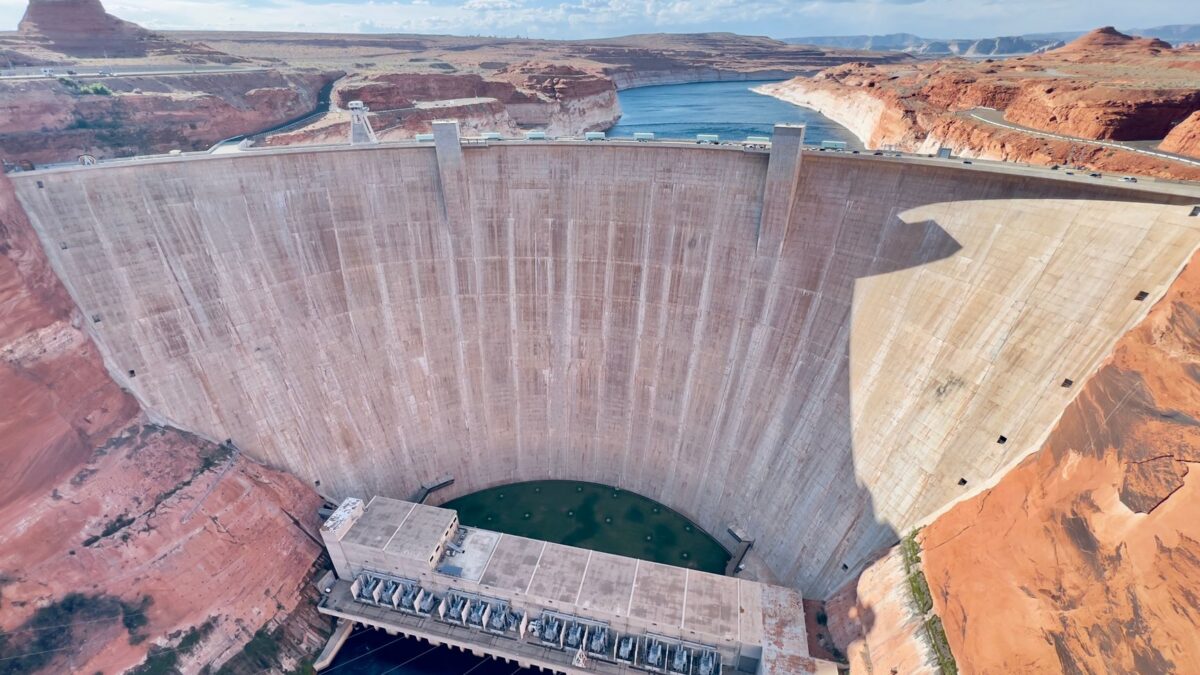
The National Park Service has closed a popular shoreline area at Lake Powell in Arizona after workers found old detonation cord near Glen Canyon Dam. In an alert on Oct. 30, the agency said the cord was likely left over from the dam’s construction in the 1950s or 1960s. The find came days after a separate operation at Antietam National Battlefield in Maryland, where specialists removed Civil War-era ammunition from a monument. As of the latest reporting, no reopening date has been announced for the Arizona closure.
What was found at Glen Canyon Dam
Workers found several boreholes containing detonation cord along a restricted service road near the dam, outside Page, Arizona. Detonation cord is a flexible line filled with high explosives that is used to set off blasting charges, according to the National Institute of Standards and Technology. An explosive ordnance disposal team traced the material to the dam’s original construction. Officials said there was no threat to public safety and that the dam faced low risk.
What is closed and what remains open
The Park Service closed Chains Road and The Chains day-use area while it evaluates ways to deal with the material. The area is a popular shoreline spot for swimming, fishing and picnicking. The wider Glen Canyon National Recreation Area remains open. No reopening date has been announced.
The Antietam operation
On Oct. 21, officials at Antietam National Battlefield in Sharpsburg, Maryland, announced plans to remove ten pieces of cannon ammunition set into the concrete base of the O.T. Reilly Monument. Marine Corps explosive ordnance disposal specialists from Quantico, Virginia, were scheduled to do the work on Oct. 27 and possibly Oct. 28. Because the ammunition might still contain explosives, officials planned to close the visitor center, the historic Dunker Church, nearby roads and two walking trails, and to keep the operation closed to public viewing.
Oliver T. Reilly, a local battlefield guide, historian and collector, dedicated the monument in 1927, according to a Park Service profile. He embedded ten artillery projectiles from his private collection in its base. The Park Service planned to take the ammunition to Quantico and return the monument to a rebuilt base. The sources do not say whether the work was completed on schedule or when the closed areas reopened.
Why it matters for visitors
Finds like these are rare, but they can close parts of well-known places with little notice. Visitors planning a trip to Lake Powell should expect The Chains to be unavailable and may want to check other shoreline options within the recreation area. Anyone headed to Antietam should confirm that the visitor center, Dunker Church and trails are open again.
The Park Service has set procedures for such discoveries. According to information officials gave The Herald-Mail, the agency began reviewing museum collections for potentially explosive ammunition in 2022 and published guidance on handling historic munitions that year. It added safety procedures in 2023 after an investigation involving the transport of a live 19th-century cannonball from Fort Larned.
Other parks have had similar scares. A Civil War-era cannonball interrupted tours at Fort Sumter in 2022. Another found at Fort McHenry in 2025 led to an evacuation before technicians determined it was inert, meaning it posed no explosive risk.
What happens next
At Glen Canyon, the Park Service is still weighing mitigation options for the detonation cord, and officials have not said how long The Chains will stay closed. Officials have also not linked the cord to the ceremonial first blast at the dam in 1956. Travelers should check the National Park Service alerts for Glen Canyon National Recreation Area and Antietam National Battlefield for current conditions before heading out.
Source: Outside