Floods Lift Lake Powell 20 Feet; 15 of 17 Boat Launches Still Unusable
Lake Powell rose more than 20 feet after Southwest floods, yet 15 of its 17 boat launches stayed unusable. What the water means for lakes, towns and drought.
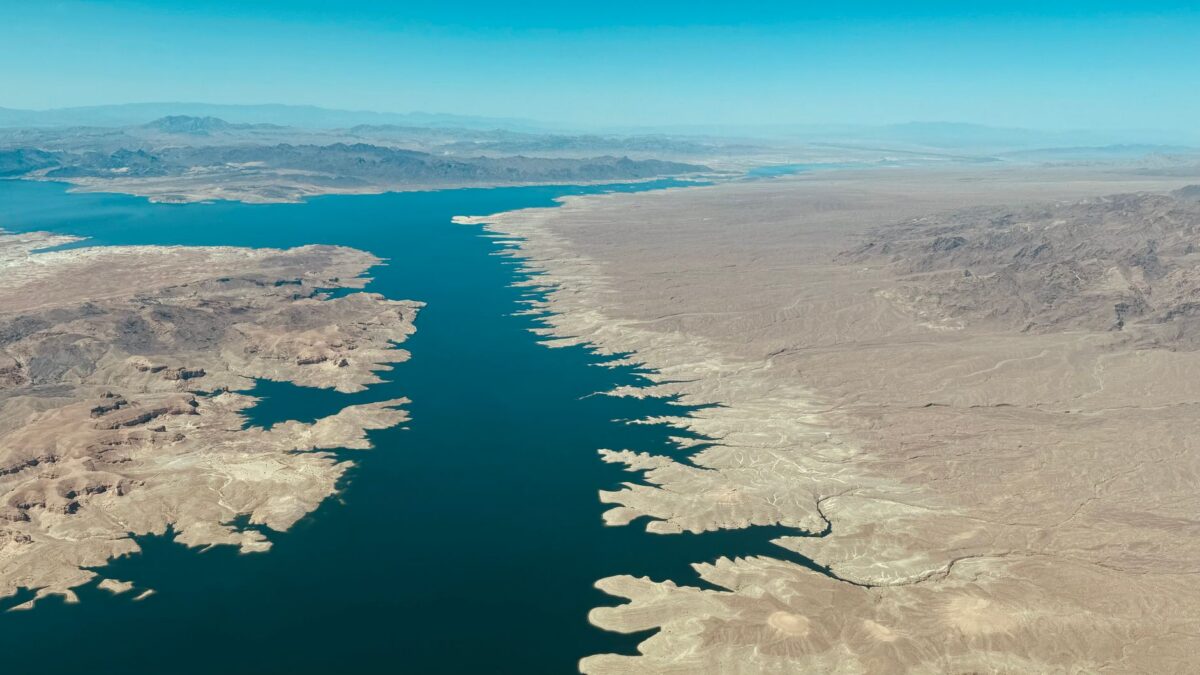
Lake Powell has climbed more than 20 feet (6.1 meters) since its low point in mid-September, after storms in late October and early November flooded creeks across the U.S. Southwest, ABC News reported. Boaters will not notice much yet: as of Friday the reservoir was only a little over a quarter full, and 15 of its 17 boat launches could not be used.
Martin Hoerling, a climate scientist and hydrologist at the University of Colorado, Boulder, said the rise from the floods far exceeds what the lake gained from this year’s snowmelt. He called it “somewhat of an unexpected boost from Mother Nature.”
What it means for visitors to Lake Powell
Lake Powell straddles the Arizona-Utah border and is the second-largest reservoir in the U.S. For anyone planning a trip, the practical picture has changed little so far. With most launch ramps still out of service, boat access remains limited even after weeks of rising water.
Hoerling estimated that floodwater still on its way, plus more rain, could add over 1.2 million acre-feet in total. By his estimate, that much water would supply around 4 million average families for a year. An acre-foot is the amount of water that would cover one acre to a depth of one foot.
The storms came after a dry winter. Weak snowfall meant the spring and summer melt, usually the biggest yearly boost for Western reservoirs, did little to refill them. El Niño, the shifting Pacific climate pattern, has since made heavy rain and flooding worse, and experts quoted by ABC News expect its effects to continue for several more months.
Water restrictions lifted in Pagosa Springs
Around Pagosa Springs, Colorado, storms in October dropped about 7 inches (17.78 centimeters) of rain. Before that, more than 10,000 people in the town and nearby communities lived under water restrictions, and restaurants were asked to serve water only when customers requested it. Town manager David Harris said those limits have now been lifted. He added that the storms, though destructive, gave the higher mountains an early start on winter snowpack.
Flagstaff’s reservoir fills fast
In Northern Arizona, Upper Lake Mary supplies Flagstaff with up to 40% of its water. It has taken in more than 3 billion gallons since early October, according to Brian Huntzinger, the city’s water production manager. Storms last weekend alone delivered the equivalent of more than two years of water to the town’s surface supply, he said, which eases pressure on the underground aquifers the city leans on heavily. “We might be overflowing at this rate before we see any snow fly,” Huntzinger said.
Dam releases near Phoenix
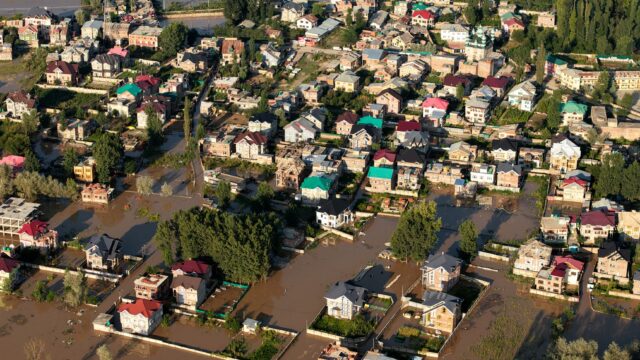
In central Arizona, floodwater that trapped some residents in their homes poured into streams feeding the Verde River. Bo Svoma, principal meteorologist at the Salt River Project, said officials released water from two nearly full dams into a stretch of the Verde in metro Phoenix that is normally dry. Hundreds of people across the region were told to evacuate during the flooding, and some areas were cut off.
The drought has not ended
The region is still in drought despite the rain. Jack Schmidt, a Utah State University professor who studies the Colorado River, said the U.S. Bureau of Reclamation is unlikely to change releases from Lake Powell or other reservoirs until it knows when snowpack has peaked, which typically happens around April. Reclamation spokesperson Mary Carlson said conditions have improved but that considerable uncertainty remains.
Under the federal plan for the Colorado River’s Lower Basin, California, Nevada and Arizona will together cut water use by 1.25 million acre-feet a year over the next two years, and the cuts could grow depending on conditions. Nevada and Arizona are challenging that plan in court. Some Arizona cities have also agreed to pay for early work on enlarging an existing dam on the Verde River to catch storm runoff, Svoma said.
What to watch next
The next marker is the snowpack peak, usually around April. Until then, Reclamation’s release decisions for Lake Powell are expected to stay as they are, and lake levels will depend on how much more rain and snow the winter brings.
Source: ABC News