Is Point Lobos Worth It? Entry Fee, Parking and the Best Short Trails
Point Lobos is worth a stop: short, flat coastal trails, sea lions and cypress groves. Fees, parking, the best walks and how early to arrive on weekends.
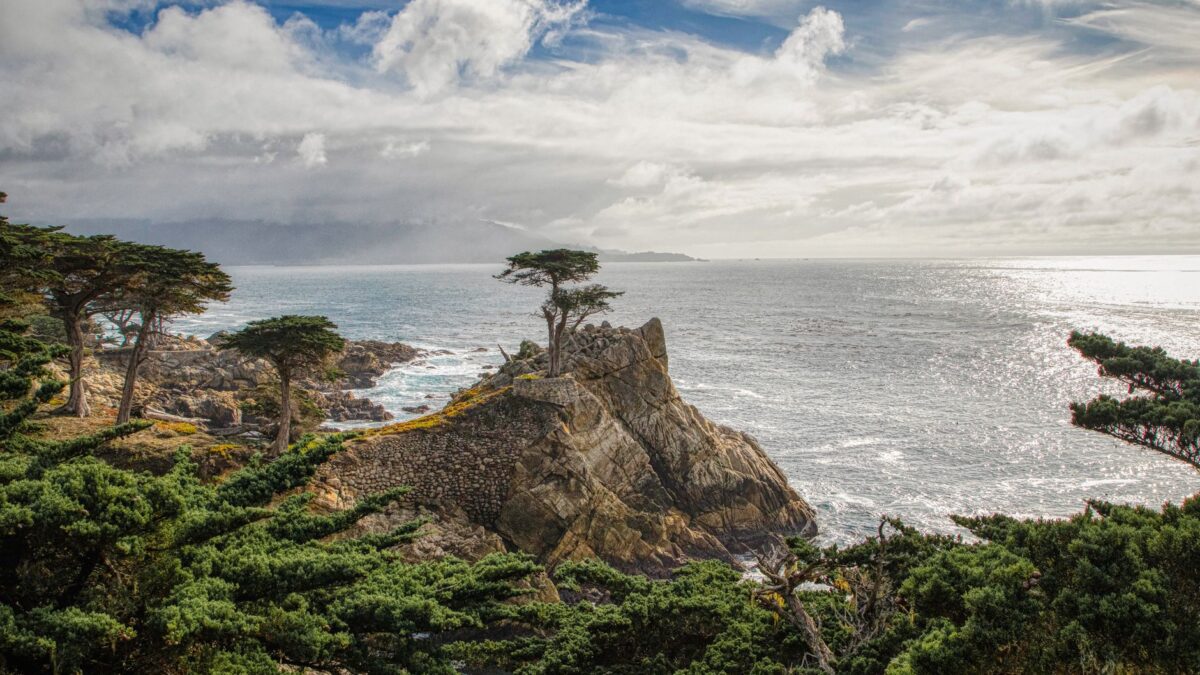
Point Lobos State Natural Reserve, just south of Carmel-by-the-Sea on California’s Highway 1, is worth a visit for almost anyone driving the Monterey or Big Sur coast. Its trails are short and mostly level, so in two to four hours you can see wind-shaped Monterey cypress, sea lions and harbor seals, turquoise coves and, in winter and spring, migrating gray whales. Cars pay a day-use fee to park inside (it has been $10 per vehicle in recent years), people who walk or bike in pay nothing, and on weekends the inside lots often fill by mid-morning, so arriving at opening time is the safest plan.
Is Point Lobos worth the stop compared with the rest of Big Sur?
Point Lobos is worth the stop because it packs a lot of coastline into a small, walkable area. Most Big Sur viewpoints are pullouts above the water. At Point Lobos the trails run along the edge of the coves, often only a few feet above the rocks, so the wildlife and tide pools are close.
The reserve suits these visitors best:
- Families and anyone who wants easy walks of a mile or less
- Photographers, especially in soft morning light or fog
- Wildlife watchers looking for sea otters, seals, sea lions and seabirds
- Travelers with only half a day between Carmel and Big Sur
It suits dog owners poorly: dogs are not allowed in the reserve, even on a leash. Point Lobos is also a natural reserve with stricter rules than a typical state park. Visitors stay on marked trails, and collecting shells, rocks or plants is not allowed.
How much is the entry fee, and do passes work?
The fee applies to vehicles parking inside the gate, and it is paid at the entrance kiosk. Walk-in and bike-in visitors enter free. Fees and hours can change, so check the reserve’s page on the California State Parks website before you go.
Point Lobos is a state park, so the federal America the Beautiful pass does not cover it. California sells its own annual vehicle passes, which make sense only if you visit several state parks in a year. If you are also heading to national parks on the same trip, the national park pass calculator shows whether the federal pass pays for itself on those stops.
Where do you park at Point Lobos?
You can park in small lots inside the reserve or on the shoulder of Highway 1 outside the entrance. The inside lots sit near the main trailheads: Sea Lion Point, Bird Island, Whalers Cove and Piney Woods. Once they are full, rangers hold cars at the gate and let them in only as others leave.
Highway shoulder parking is free, but follow these points:
- Park fully off the pavement and only where it is legal; some stretches are signed no parking.
- Watch for traffic when you walk along the highway to the entrance.
- Expect a longer walk to the coastal trails, often a mile or more each way to the southern coves.
- Keep valuables out of sight, as at any busy trailhead.
How early should you arrive?
On weekends, holidays and summer days, arrive at opening time, which is 8 a.m. Lots near the popular trailheads can fill within an hour or two, and the entry line can back up onto the highway. On weekdays outside summer, mid-morning usually works.
Late afternoon is the other good window, as early visitors leave. Leave enough time: the reserve closes in the early evening, earlier in winter, and the last entry is before closing. Morning fog is common in summer along this coast, while fall often brings the clearest days.
What are the best short trails at Point Lobos?
The best short trails are the coastal loops on the reserve’s north and south sides. All are easy, and most visitors combine two or three.
- Cypress Grove Trail (about 0.8 mile loop): walks through one of only two natural stands of Monterey cypress in the world, with views of Pinnacle Cove and the open ocean.
- Sea Lion Point Trail (about 0.6 mile round trip): the quickest way to hear and see sea lions on the offshore rocks, with tide pools at low tide.
- Bird Island Trail (about 0.8 mile loop): passes China Cove, with its green water and white sand, and looks out to Bird Island, a nesting area for seabirds.
- South Shore Trail (about 1 mile one way): follows the shoreline past small coves and tide pools between Sea Lion Point and the Bird Island area.
- North Shore Trail (about 1.4 miles one way): a slightly hillier walk above Whalers Cove and Bluefish Cove, quieter than the southern trails.
Near Whalers Cove, the small Whalers Cabin museum covers the area’s Chinese fishing village, whaling station and later history. Opening hours depend on volunteers.
When is the best time of year to visit?
Point Lobos is good all year, and each season brings something different:
- December to April: gray whales pass offshore on their migration, best seen with binoculars from the headlands.
- Spring: wildflowers bloom on the bluffs, and harbor seals give birth, so some beaches close to protect the pups.
- Summer: the busiest season, often foggy in the morning.
- Fall: fewer crowds and frequent clear, calm weather.
For more spring trips built around blooms, see this list of wildflower destinations and when they peak. Point Lobos also appears among the best state parks in the US for good reason.
Quick answers
How long do you need at Point Lobos?
Two to three hours covers the Cypress Grove, Sea Lion Point and Bird Island trails at an easy pace. A half day lets you add the South Shore and North Shore trails and time at the tide pools.
Can you swim at Point Lobos?
Swimming is not recommended. The water is cold year round and surf conditions can be dangerous. Scuba diving is allowed at Whalers Cove and Bluefish Cove with a reservation.
Are there restrooms and food inside?
The reserve has restrooms near several parking areas but no food service. Bring water and snacks, and eat only in designated picnic areas.
Is Point Lobos accessible for people with limited mobility?
Several trails near the parking areas are short and fairly level, and some viewpoints are close to the lots. Ask at the entrance station which sections are accessible on the day you visit.