San Juan Islands Guide: Ferries, Whale Watching and Where to Stay
How the Anacortes ferry and its reservations work, which island to choose, when orcas and humpbacks are around, and what to book before a summer trip.
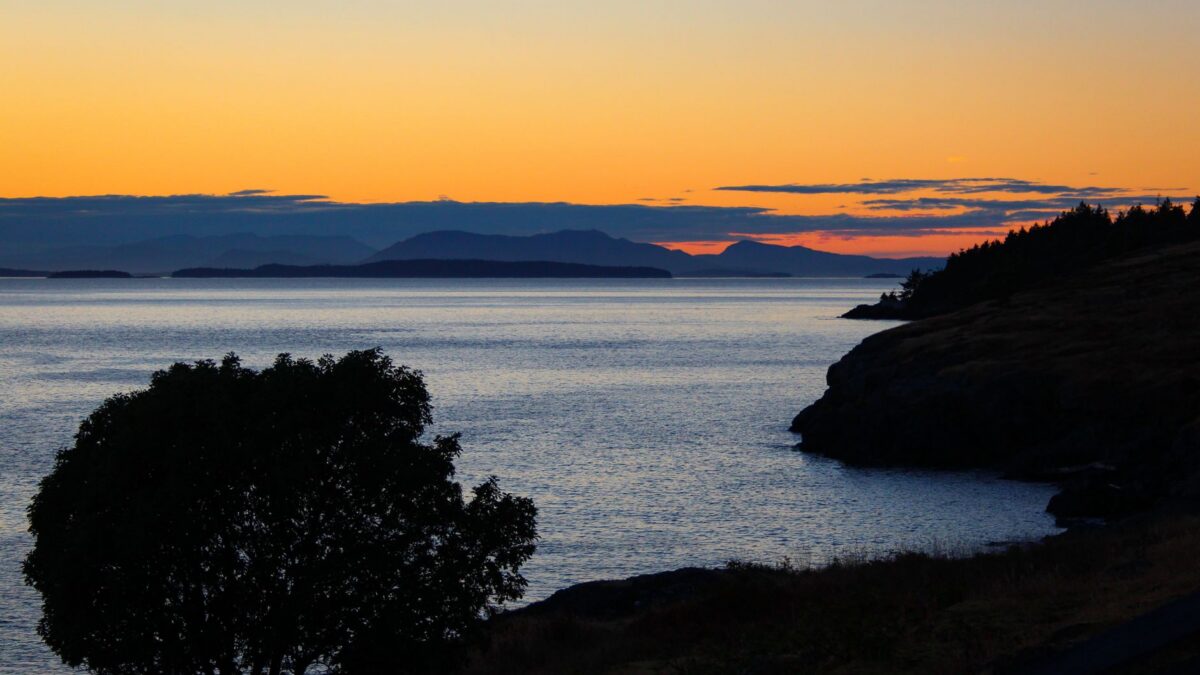
The San Juan Islands in northwest Washington are reached mainly by Washington State Ferries from Anacortes, about 85 miles north of Seattle, with crossings of roughly 45 minutes to two hours depending on the island and stops. If you bring a car in summer, book a vehicle reservation as soon as space is released. The best time to visit is May through September, which is also the main whale-watching season.
This guide covers the ferry system, which island to choose, whale watching rules, the main sights and what to book ahead.
How do you get to the San Juan Islands?
Most visitors take the state ferry from the Anacortes terminal, which serves four islands: Lopez, Shaw, Orcas and San Juan. Small seaplanes and commuter flights also run from the Seattle area, but the ferry is the standard and cheapest way to bring a car.
Vehicle reservations
Washington State Ferries releases standard vehicle space on the Anacortes/San Juan Islands route in three stages, according to its reservations system: about 30% about two months before each sailing season begins, another 30% at 7 a.m. Pacific two weeks before each sailing date, and a final 30% at 7 a.m. two days before. A small share is held for standby traffic. In summer, the early tranche for popular Friday and Sunday sailings can go quickly.
- A reservation is not a ticket. You still buy your fare online or at the terminal; see the WSF tickets page.
- WSF asks drivers to arrive 45–60 minutes before a reserved sailing on this route because loading at multiple islands is complex.
- Walk-on passengers and cyclists do not need reservations.
- On this route, fares are collected on westbound sailings from Anacortes, so you generally pay once for the round trip.
For the 2025–26 season, WSF kept its fall schedule on this route through winter and spring for the first time in more than 20 years, so check the current timetable rather than relying on an old printout.
Which San Juan island should you stay on?
Stay on San Juan Island for the most to do without a car, Orcas Island for hiking and views, and Lopez Island for quiet cycling. Shaw Island is tiny, mostly residential and has very limited visitor services.
| Island | Main village | Character | Best for |
|---|---|---|---|
| San Juan | Friday Harbor | Walkable ferry town, most restaurants and tours | First visits, whale watching from shore, history |
| Orcas | Eastsound | Hilly, horseshoe-shaped, artsy villages | Hiking, Moran State Park, sunset views |
| Lopez | Lopez Village | Flat farmland, slow pace | Road cycling, quiet beaches |
| Shaw | None to speak of | Small and residential | Day stop by bike only |
When is whale watching season in the San Juan Islands?
Whale watching is best from May through September, when orcas, humpbacks and minke whales feed in the waters around the islands. Bigg’s (transient) killer whales, which hunt seals and porpoises, can turn up in any month, while the endangered Southern Resident orcas follow salmon and are less predictable than they once were. Humpback sightings have grown in recent years, including some in fall and winter.
What are the rules for boats and kayaks?
Since January 1, 2025, Washington law requires nearly all vessels, including kayaks, to stay 1,000 yards (about half a nautical mile) from Southern Resident killer whales year-round. Boaters must also slow to 7 knots or less within 1,000 yards and disengage engines if the whales approach within 400 yards. Because most people cannot tell orca populations apart, the state recommends keeping 1,000 yards from any killer whale. Details are on the WDFW orca recovery page.
Commercial whale-watching boats operate under a state license and follow the same distance rules, so tours today spend more time with humpbacks, Bigg’s orcas and other wildlife than with the Southern Residents.
Can you see orcas from shore?
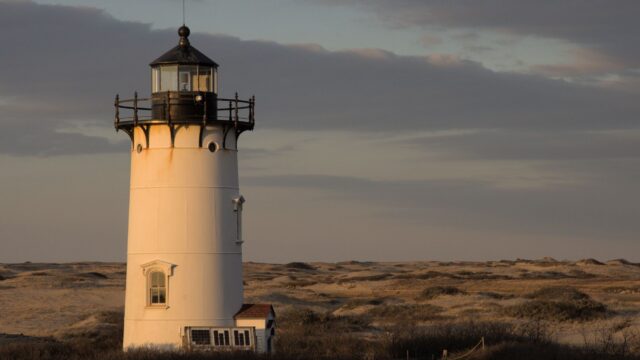
Yes, with patience. Lime Kiln Point State Park on San Juan Island’s west side is known as one of the best shore-based whale-watching sites in the world. Its lighthouse dates to 1919, and a seasonal interpretive center operates in summer. Parking requires a Washington Discover Pass, which costs $10 for a day or $45 for a year as of November 2026.
What is there to do on San Juan and Orcas islands?
San Juan Island has the most sights and services; Orcas Island has the best hiking and viewpoints.
San Juan Island
San Juan Island combines a lively ferry town with parks, farms and history, and it is the easiest island to explore in two or three days.
- Friday Harbor: walk from the ferry to cafes, galleries, The Whale Museum and harbor tour boats.
- San Juan Island National Historical Park: American Camp and English Camp tell the story of the 1859 Pig War border standoff between the US and Britain. The NPS charges no entrance fee.
- Lime Kiln Point State Park: rocky shoreline, lighthouse and whale watching from the bluff.
- Roche Harbor: a historic resort village at the north end with a marina and outdoor sculpture park.
- Farms and lavender fields: roadside stands and fields are open seasonally in summer.
Is Orcas Island worth the extra effort?
Orcas Island is worth it if you like hiking and big views. Its centerpiece is Moran State Park, where the road climbs Mount Constitution, at 2,409 feet the highest point in the San Juans, to a stone observation tower overlooking the islands, Mount Baker and the Canadian coast. The park also has lakes for swimming and paddling and miles of forest trails. A Discover Pass is required to park.
Roads on Orcas are winding and hilly, so plan more driving time than the map suggests. Eastsound, the main village, has the island’s grocery stores and most restaurants.
When is the best time to visit?
July and August bring the driest weather and the busiest ferries; May, June and September offer a better balance of weather, wildlife and availability. The islands sit in the rain shadow of the Olympic Mountains and are noticeably drier than Seattle.
| Season | Weather | Crowds and ferries | Notes |
|---|---|---|---|
| May–June | Mild, mostly dry | Moderate | Good whale season start, green landscapes |
| July–August | Warmest and driest | Peak; book cars and rooms early | Long days, all tours running |
| September | Often clear and calm | Moderate | Many consider it the best month |
| October–April | Cool, wetter, windy days | Light | Quiet, cheaper; some businesses close |
How much does a San Juan Islands trip cost?
The islands cost more than the mainland because lodging is limited and everything arrives by boat. The biggest variable is whether you bring a car, since vehicle fares are much higher than passenger fares and rise in the peak summer season.
| Item | Cost as of November 2026 |
|---|---|
| Ferry, walk-on passenger | Lowest option; paid westbound only |
| Ferry, car and driver | Several times the passenger fare; higher in peak season |
| Discover Pass (state parks) | $10 per day or $45 per year |
| San Juan Island National Historical Park | Free |
| Lodging | Limited supply; summer weekends book months ahead |
To save money, stay in Friday Harbor without a car and use bikes, mopeds or tours, or base yourself in Anacortes and visit as a day trip.
What should you book ahead?
- Lodging for June to September, ideally several months out.
- A vehicle ferry reservation as soon as the first tranche for your dates opens.
- A whale-watching or kayak tour for summer weekends.
- Campsites at Moran State Park and other island parks, which fill early in summer.
The islands fit well into a longer trip; see our 10-day Pacific Northwest road trip or pair them with the Olympic National Park guide.
Bottom line
For a first visit, take the ferry from Anacortes to Friday Harbor, spend two or three days on San Juan Island for history and whale watching, and add Orcas Island if you want hiking. Book ferry space and lodging early for summer, aim for June or September if you can (more ideas in our best summer vacations in the US), and keep your distance from orcas, both by law and for the whales’ sake.
FAQ
Do you need a car in the San Juan Islands?
Not on San Juan Island if you stay in Friday Harbor and use tours, bikes or a rental moped. A car helps on Orcas Island, where sights are spread out and roads are hilly.
Do you need a ferry reservation to walk on?
No. Washington State Ferries takes reservations only for vehicles on this route. Walk-on passengers and cyclists buy a ticket and board.
How many days do you need in the San Juan Islands?
Two days covers the highlights of San Juan Island. Three to four days lets you add Orcas Island and a whale-watching tour without rushing ferry connections.
What is the best month to see orcas?
June through September gives the best odds, with summer the traditional peak. Sightings are never guaranteed, and Bigg’s killer whales can appear in any month.