Best Beaches in the US by Type: Swimming, Families, Scenery, Surf
Top American beaches grouped by what they do best, a month-by-month water temperature table from NOAA stations, and how to stay safe in the surf.
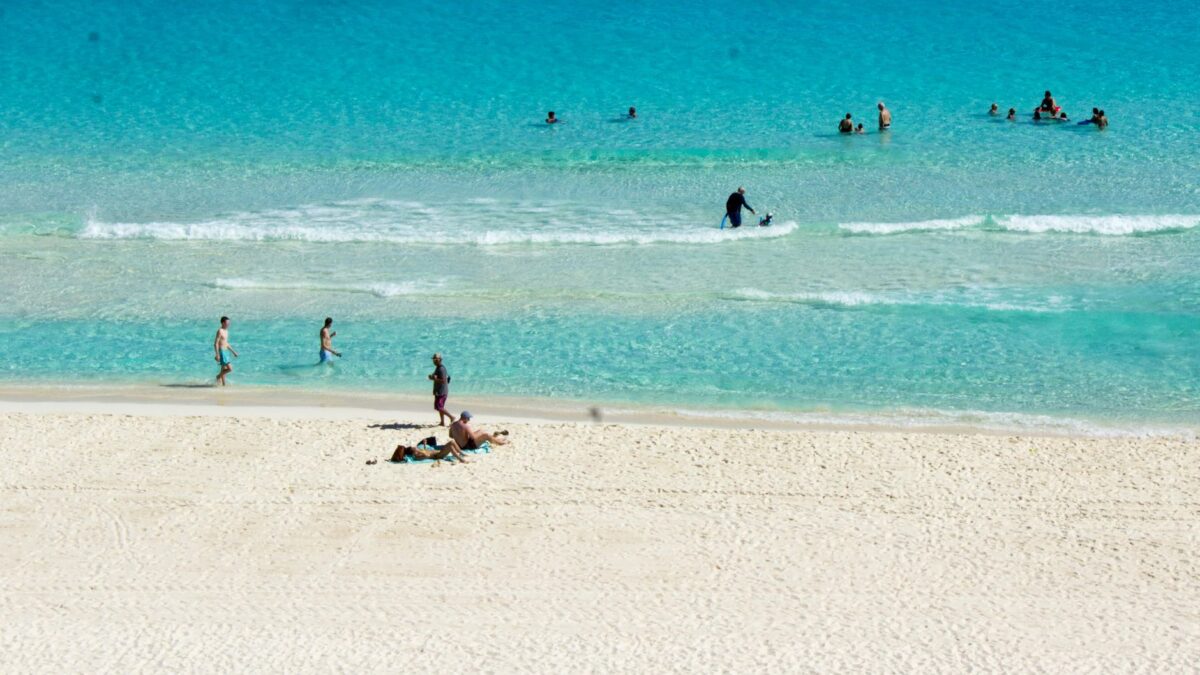
The best beaches in the US depend on what you want. For calm, warm swimming, pick Florida’s Gulf Coast (Siesta Key, Clearwater Beach) or Maui’s Kaanapali. For families, Gulf Shores, Coronado and Cape May work well. For scenery, go to Cannon Beach, Ruby Beach or Cape Cod National Seashore; for surfing, Oahu’s North Shore in winter or Huntington Beach. NOAA tide stations show Florida and Gulf water at 88–90°F in July and Hawaii at about 75–81°F all year.
Which US beaches are best for each type of trip?
The table groups well-known public beaches by what they do best. Best months reflect typical weather and water temperature, not crowd levels; summer is peak season almost everywhere except Hawaii and South Florida, where winter is busiest.
| Beach | State | Best for | Best months | Why it stands out |
|---|---|---|---|---|
| Siesta Key Beach | Florida | Swimming | April–June, September–October | Fine white quartz sand, gentle Gulf water |
| Clearwater Beach | Florida | Swimming, families | March–June, October | Wide beach, lifeguards, sunset pier area |
| Kaanapali Beach | Hawaii (Maui) | Swimming, snorkeling | April–October | Calmer summer water and reef near Black Rock |
| Waikiki Beach | Hawaii (Oahu) | Beginner surfing, swimming | Year-round | Gentle rolling waves for lessons, easy access |
| Gulf Shores public beaches | Alabama | Families | April–June, September | Lifeguards in season, white sand, state park nearby |
| Coronado Beach | California | Families, walking | June–October | Very wide, flat sand next to a walkable town |
| Cape May beaches | New Jersey | Families | July–September | Walkable Victorian town; beach tags required in summer |
| Cannon Beach | Oregon | Scenery, tide pools | June–September | Haystack Rock and wide sand; cold water |
| Ruby Beach | Washington | Scenery | June–September | Sea stacks and driftwood in Olympic National Park |
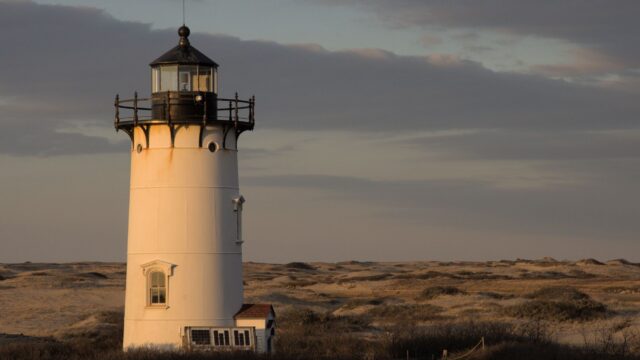
| Cape Cod National Seashore | Massachusetts | Scenery, long walks | July–September | Dunes and cliffs on the Outer Cape; summer fees at NPS beaches |
| North Shore (Waimea, Pipeline) | Hawaii (Oahu) | Watching big-wave surfing | November–February for waves; summer for calm swims | World-famous winter surf; only experts should surf it |
| Huntington Beach | California | Surfing | Year-round | Consistent waves around the pier, surf culture |
| Cape Hatteras | North Carolina | Surfing, fishing | May–October | Undeveloped national seashore beaches |
| Sleeping Bear Dunes | Michigan | Lake beaches, dunes | July–August | Freshwater beaches below tall dunes on Lake Michigan |
For more on water clarity, see our list of clear-water beaches in the US. If you are choosing between two Gulf Coast favorites, our Gulf Shores vs Destin comparison goes deeper.
How warm is the ocean at US beaches by month?
NOAA’s National Centers for Environmental Information say many people find water of 70° to 78°F comfortable for swimming. The table shows monthly averages we calculated from hourly NOAA tide station readings for 2023 and 2024. Some stations sit in harbors or sounds, so open-ocean beaches nearby can differ by several degrees, and both years were warmer than usual in Florida. For live readings, use NOAA’s Tides and Currents site.
| NOAA station (nearby beaches) | January | April | July | October |
|---|---|---|---|---|
| Bar Harbor, ME (Acadia) | 38°F | 42°F | 58°F | 55°F |
| Woods Hole, MA (Cape Cod, sound side) | 40°F | 47°F | 73°F | 62°F |
| Atlantic City, NJ (Jersey Shore) | 43°F | 51°F | 68°F | 65°F |
| Duck, NC (Outer Banks) | 50°F | 55°F | 72°F | 69°F |
| Springmaid Pier, SC (Myrtle Beach) | 52°F | 66°F | 85°F | 72°F |
| Lake Worth Pier, FL (Palm Beach) | 75°F | 78°F | 86°F | 82°F |
| Key West, FL | 74°F | 80°F | 90°F | 83°F |
| Clearwater Beach, FL (Gulf) | 63°F | 78°F | 90°F | 79°F |
| Pensacola, FL (Gulf) | 59°F | 74°F | 88°F | 76°F |
| Galveston, TX | 58°F | 73°F | 88°F | 80°F |
| La Jolla, CA (San Diego) | 59°F | 59°F | 67°F | 64°F |
| Santa Monica, CA (Los Angeles) | 59°F | 58°F | 67°F | 65°F |
| Columbia River Bar buoy (Oregon–Washington coast) | 50°F | 49°F | 59°F | 57°F |
| Honolulu, HI | 77°F | 77°F | 80°F | 81°F |
Two patterns stand out. Gulf water off Florida and Texas warms fastest in spring and is the warmest water in the mainland US by midsummer. The Pacific coast stays cool all year, so Southern California beaches are better for sun and surf than for long swims without a wetsuit.
Which beach is best for each season?
- Winter (December–February): Hawaii, the Florida Keys and Florida’s southeast coast are the main US beach areas with water in the 70s °F.
- Spring (March–May): Florida’s Gulf Coast warms into the mid to upper 70s °F by April; Southern California is sunny but the water is still cold.
- Summer (June–August): New England, the Jersey Shore and the Outer Banks reach their warmest; the Gulf can feel like bathwater.
- Fall (September–October): the Mid-Atlantic and Carolinas keep warm water with fewer people, but this is also peak hurricane season.
East Coast options are compared in our guide to the best East Coast beach towns, and North Carolina’s barrier islands are covered in our Outer Banks guide.
Do you need reservations or fees for popular beaches?
Most US beaches are free, but a few charge fees or limit entry.
- Hanauma Bay, Oahu: nonresident visitors need an advance reservation and pay an entry fee, and the preserve closes on some weekdays. Check the City and County of Honolulu’s official page before you plan.
- Cape Cod National Seashore: NPS beaches charge daily or seasonal fees in summer.
- Jersey Shore towns: many require paid beach tags or badges in summer, sold by the day, week or season.
- State park beaches: most charge a per-vehicle day-use fee.
- Pfeiffer Beach, Big Sur: a Forest Service day-use fee applies, and the narrow access road is not suitable for RVs or trailers.
How do you stay safe from rip currents?
Rip currents are the main hazard at surf beaches. They are narrow channels of fast water flowing away from shore. The National Weather Service rip current safety page gives the official advice.
- Check the NWS beach forecast for the rip current risk before you go, and swim near a lifeguard.
- Learn the flag system. Red means high hazard, and double red usually means the water is closed.
- If you are caught, relax and do not swim against the current.
- Swim parallel to shore or float until the current weakens, then swim back at an angle.
- If you cannot escape, face shore, wave and yell for help.
- If someone else is in trouble, alert a lifeguard or call 911 and throw something that floats. Do not swim out yourself.
On the Pacific Northwest coast, watch for sneaker waves that run far up the beach without warning, and never turn your back on the ocean. In Hawaii, strong shore break can injure swimmers even in shallow water, especially on winter north shores.
Bottom line
Choose the coast by water temperature first: Florida, the Gulf and Hawaii for warm swimming; New England and the Pacific Northwest for scenery with cold water; Southern California for sun and surf. Then match the beach to your group, from lifeguarded family beaches to undeveloped national seashores. Check fees and rip current forecasts before you go, and swim near lifeguards wherever you can.
FAQ
Where is the warmest ocean water in the US?
The Florida Keys and the Gulf Coast of Florida and Texas, where NOAA stations averaged 88–90°F in July in 2023 and 2024. Hawaii is warm all year, around 75–81°F.
Which US beaches are best for families with small children?
Beaches with gentle water, lifeguards and easy facilities work best, such as Clearwater Beach, Gulf Shores, Coronado and Cape May. Avoid surf beaches when rip current risk is high.
Is the water warm enough to swim in California?
Southern California water averaged 58–69°F at NOAA stations in Santa Monica and La Jolla over 2023–2024. Many people swim in late summer, but a wetsuit helps for longer swims or surfing.
When are beaches least crowded?
Late spring and September on the mainland, after schools start, usually bring smaller crowds with warm water in the South. In Hawaii and South Florida, crowds peak in winter instead.