New York City in 3 Days for First-Timers: Day-by-Day Plan
Three days is enough to see New York City's main sights if you group them by area. Day-by-day plan, what to skip and how to use the subway and walking.
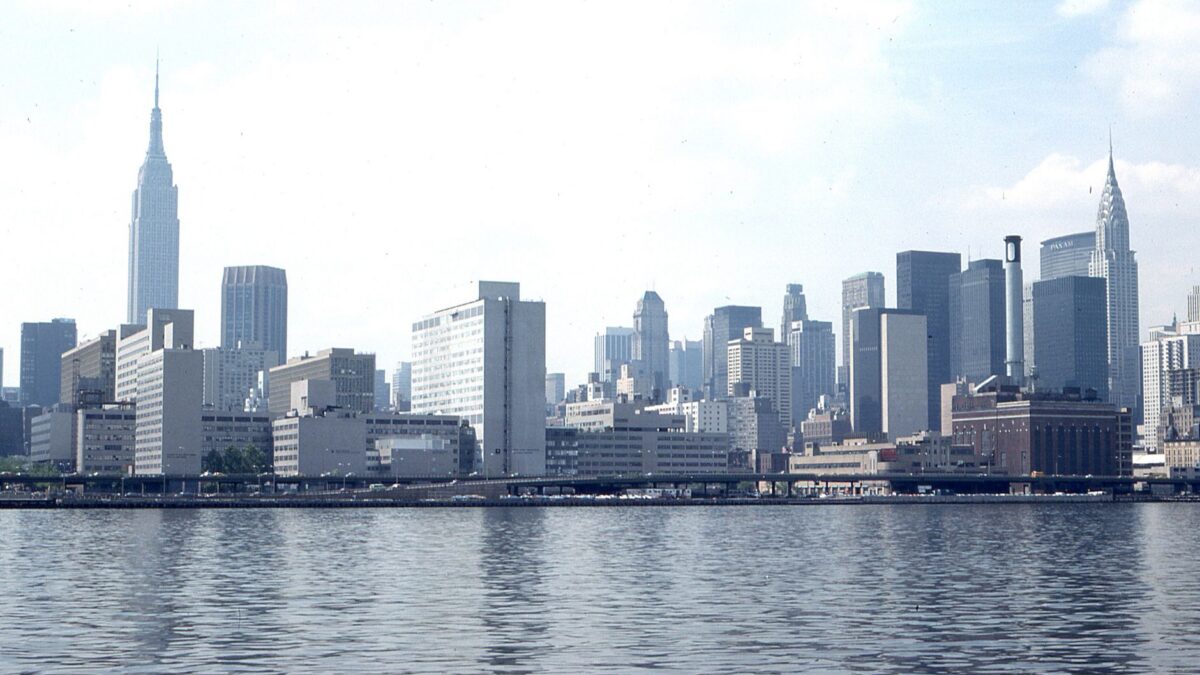
Three days in New York City is enough to cover the main sights of Manhattan and one waterfront view of Brooklyn, as long as each day stays in one part of the city. A workable first-timer plan is lower Manhattan and the Statue of Liberty on day one, Midtown and Central Park on day two, and the Brooklyn Bridge, museums or neighborhoods on day three. Walking and the subway cover nearly every stop, so a car is unnecessary.
What should you see on day one?
Day one works best in lower Manhattan, where several major sights sit within a short distance of each other. Start with the Statue of Liberty and Ellis Island, which are reached by ferry from Battery Park; the National Park Service runs the monument and explains how ferry access and crown reservations work. Book ahead and plan for the morning, because security screening happens before boarding.
- Ferry to the Statue of Liberty and Ellis Island, followed by lunch near Battery Park.
- The National September 11 Memorial and Museum, a quiet, reflective stop that takes one to three hours depending on how much of the museum you visit.
- Wall Street and the Financial District on foot, including the Charging Bull and Federal Hall.
- Evening walk across the Brooklyn Bridge if you still have energy, or save it for day three.
Ferry lines and museum timed entry can eat half a day, so do not add more than three stops.
What should you see on day two?
Day two belongs to Midtown and Central Park. Begin at Grand Central Terminal, look at the main concourse ceiling, then walk to the New York Public Library’s main branch and Bryant Park. From there it is a short walk to Rockefeller Center, where the observation deck gives a skyline view that includes the Empire State Building.
- Grand Central Terminal and Bryant Park in the morning.
- Rockefeller Center and Fifth Avenue window shopping around midday.
- Central Park in the afternoon, entering at the southern end near Fifty-ninth Street and walking toward the lake and Bethesda Terrace.
- Times Square after dark, when the lights are at their brightest.
Add a Broadway show for the evening if you have booked tickets. Seeing Times Square once is enough for most visitors, and it is crowded at all hours.
What should you see on day three?
Day three can go in one of two directions: museums or neighborhoods. Pick one so the day does not turn into a rush.
- Museums: The Metropolitan Museum of Art alone can fill a morning, and the American Museum of Natural History sits across Central Park on the west side. Choose one large museum rather than two.
- Neighborhoods: Walk the Brooklyn Bridge from Manhattan to Brooklyn, then explore DUMBO and Brooklyn Bridge Park for views back at the skyline. The High Line, a former rail line turned into an elevated park, and Greenwich Village fit a Manhattan version of the day.
Reserve the last evening for dinner somewhere you want to eat rather than another landmark.
What can first-timers skip?
Skip anything that costs a large share of a short trip for a small payoff. Common examples are standing in line at a themed restaurant, buying several observation-deck tickets when one will do, and crossing the city for a single photo. Pick one skyline view, either the Empire State Building, Rockefeller Center or another deck, instead of visiting all of them.
Also skip driving. Parking is expensive and traffic in Midtown is slow, so a rental car costs money and time without opening up any of the sights above.
How do you get around New York City?
The subway is the fastest way to cross Manhattan, and most visitors pay with a tap of a contactless card or phone at the turnstile. Check the MTA’s trip planner for the line and direction before you go down the stairs, because many lines run express and local on the same track. Walking fills the gaps: most of the stops in a single day above sit within a mile or two of each other.
- Use the subway for long north-south hops, such as lower Manhattan to Midtown.
- Walk when two sights are less than about twenty minutes apart.
- Use a taxi or rideshare late at night or when carrying luggage.
If the trip is part of a longer East Coast route, the New York and Washington, DC itinerary by train shows how to connect the two cities. For city information, the City of New York website lists current notices and services.
Quick answers
Is three days enough for New York City?
Three days covers the headline sights for a first visit. It does not leave time for every borough or museum, so treat the trip as an introduction and plan to come back for the rest.
Where should first-time visitors stay?
Midtown Manhattan puts the most sights and subway lines within reach, which saves travel time. Lower Manhattan and Brooklyn are also practical, with good subway access and often a calmer feel at night.
When is the busiest time to visit?
Late November through December is among the most crowded periods because of holiday events and shopping. If you travel around Thanksgiving, the Thanksgiving road trip traffic guide covers the heaviest travel days.