Supreme Court Clears Border Barrier Work Around Big Bend National Park
The Supreme Court lifted an order that had paused border barrier construction in Texas's Big Bend region, including Big Bend National Park.
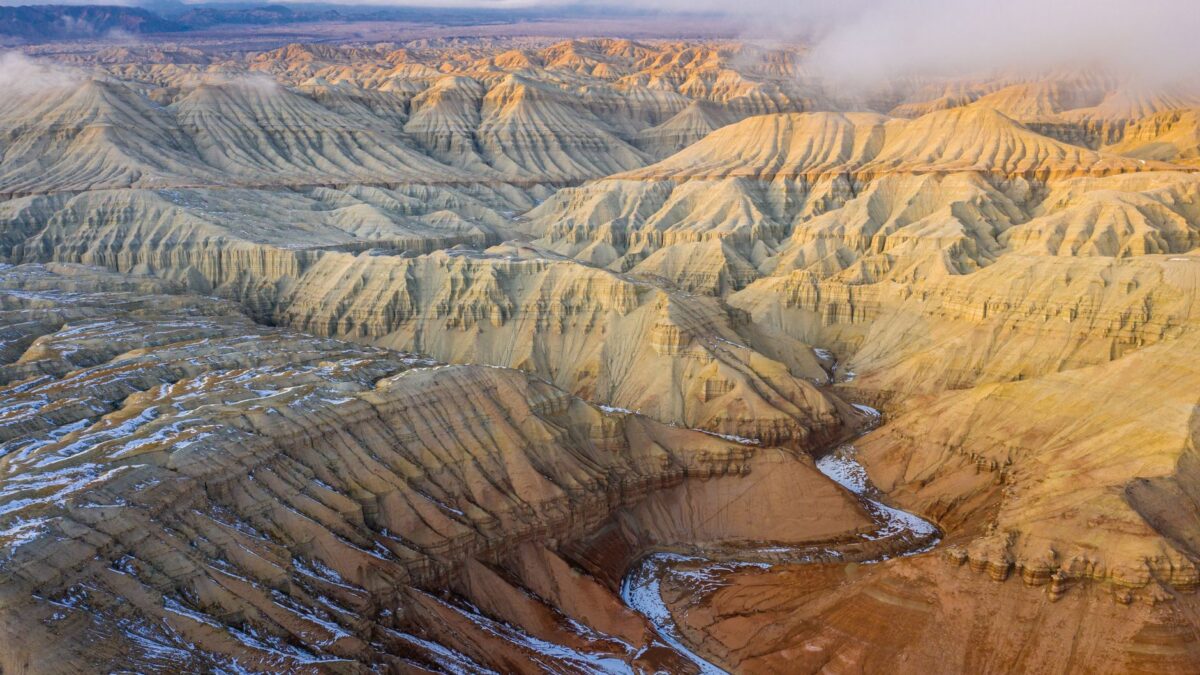
The U.S. Supreme Court on Nov. 9 allowed the federal government to resume building border barriers in Texas’s Big Bend region, an area that includes parts of Big Bend National Park. In an unsigned five-page order, the court suspended a lower-court injunction that had halted the work in October, according to The Guardian and NPR.
Justice Ketanji Brown Jackson was the only dissenter. NPR reports that the ruling lets construction continue while a court hearing on the project moves forward.
What the court said
The order rests on a federal immigration law that lets the homeland security secretary waive environmental and conservation requirements. NPR names the current secretary as Markwayne Mullin. The justices wrote that Congress showed a “clear preference for expeditious border construction” over the harms the plaintiffs describe, and that the government’s interest outweighs the aesthetic, recreational and environmental damage they allege.
NPR adds that the court found the federal judge who issued the injunction lacked the authority to do so. In its emergency request in late October, the administration argued that any unfenced gap in Big Bend would draw cartels and other bad actors. Solicitor General John Sauer called the injunction baseless and unprecedented.
What is planned for the region
The Guardian reports that the administration intends to build more than 300 miles of six-foot-tall vehicle barriers and supporting roads. NPR describes the halted work as 30-foot-tall steel barriers, patrol roads and surveillance systems, so the reports differ on the type of barrier. Customs and Border Protection (CBP) has awarded five contracts worth more than $6 billion for upgrades in Big Bend, including 30-foot steel fencing, vehicle barriers and surveillance technology that the agency calls a smart wall.
A CBP map shows barriers and patrol roads across Big Bend National Park, including remote areas that would need extensive dynamite blasting, the Center for Biological Diversity said. The group also noted that planned work in isolated canyons covers places with no documented unauthorized vehicle crossings. CBP Commissioner Rodney Scott said the wall is going up at about 12 miles a week and should be finished by the end of the president’s second term.
How the project reached the Supreme Court
Opponents filed suit in April, according to Outside. Crews arrived in August and began clearing desert for fencing and bollards, but work stalled after pressure from state politicians. On Oct. 2, a federal judge in El Paso ordered construction to stop, finding it threatened harm to the plaintiffs.
Those plaintiffs include the Center for Biological Diversity, a Big Bend river guide and a group preserving a historic church. NPR also lists a landowner who stands to lose border property. After the October ruling, CBP said it stood by its assessment and its legal authority to secure the border while preserving the landscape.
Why it matters for Big Bend
Big Bend is known for sweeping canyons and desert, and the plan reaches into parts of the national park and the Rio Grande river corridor. Residents have objected across party lines, NPR reports, citing worries about wildlife, Indigenous sites and a regional economy built on tourism. Advocates and local property owners say illegal crossings in the area are negligible. CBP data cited by NPR shows the Big Bend Sector, a stretch of nearly 500 miles covering over a quarter of the U.S.-Mexico border, regularly records the fewest encounters on the Texas border.
CBP and the Department of Homeland Security say the barriers are needed to curb illegal entry from Mexico.
The Center for Biological Diversity condemned the decision. Laiken Jordahl of the group said it allows the “bulldozers to come roaring back” into the region. The Sierra Club, the National Parks Conservation Association and Earthjustice also criticized the ruling.
What comes next
The lower-court case over whether the project is legal is still pending, and the Guardian says it has asked CBP for comment on the ruling. Construction can now proceed in the meantime.
Sources: The Guardian, Outside, NPR