Outer Banks Guide: Which Town to Choose, Lighthouses and Ocracoke
North Carolina's barrier islands town by town, with lighthouse and ferry details, wild horse rules and how hurricane season affects a trip.
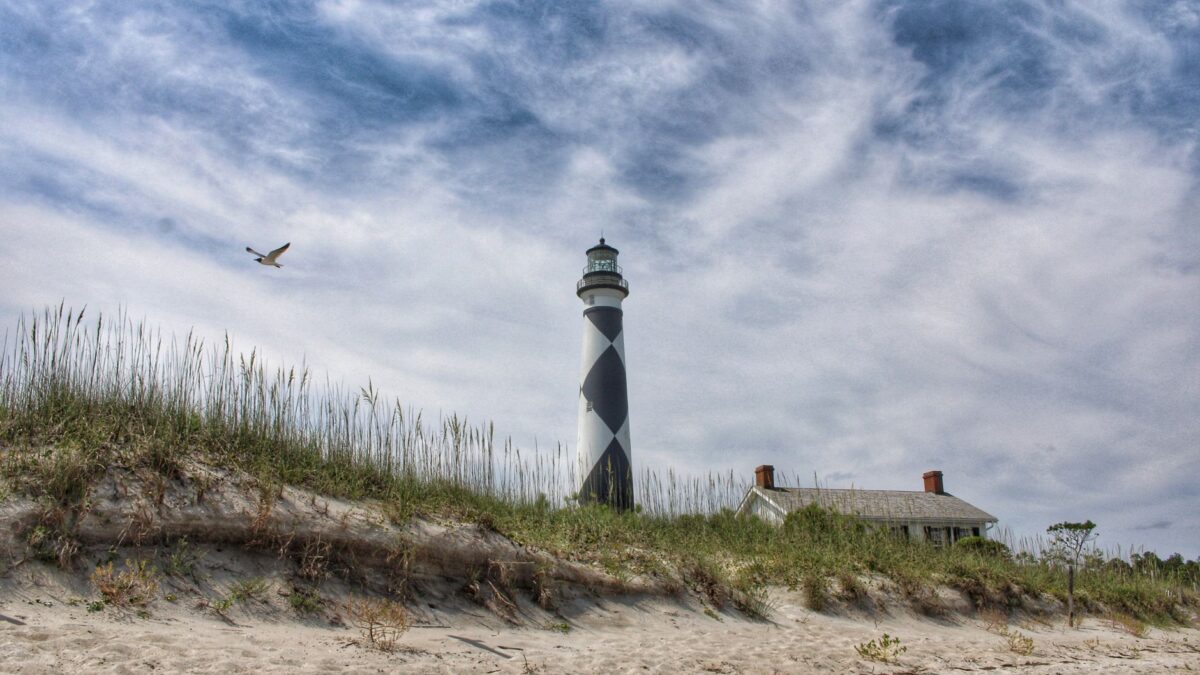
The Outer Banks are North Carolina’s chain of barrier islands, and the right base depends on your trip. Choose Corolla or Duck for quiet rentals and the wild horses, and Kitty Hawk, Kill Devil Hills or Nags Head for restaurants and the Wright Brothers memorial. Hatteras Island has empty beaches and lighthouses, and Ocracoke is a village reached only by ferry, boat or small plane. May–June and September–October are the best months; hurricane season runs June 1 to November 30.
Which Outer Banks town is right for you?
The islands stretch roughly north to south, and NC 12 is the only road linking most of them. Drive times below are approximate from Nags Head and get much longer on summer Saturdays, when most weekly rentals turn over.
| Area | Best for | Approx. drive from Nags Head | What to know |
|---|---|---|---|
| Carova (4×4 area north of Corolla) | Wild horses, beach driving, total quiet | 1 hour+ (4WD on sand) | No paved roads; 4WD only |
| Corolla | Large rental houses, lighthouse, families | 45–60 minutes | Heavy traffic on summer Saturdays |
| Duck | Walkable village, soundside boardwalk, dining | 30 minutes | Upscale and popular with families |
| Kitty Hawk, Kill Devil Hills, Nags Head | Restaurants, piers, Wright Brothers, Jockey’s Ridge | 0–15 minutes | Most services, wide range of prices |
| Manteo (Roanoke Island) | History, waterfront, aquarium | 15 minutes | Soundside town, not on the ocean |
| Rodanthe, Waves, Salvo | Kiteboarding, quiet beaches | 45 minutes | Erosion and NC 12 overwash after storms |
| Avon, Buxton, Frisco, Hatteras village | Surfing, fishing, Cape Hatteras Lighthouse | 1–1.5 hours | Fewer services, more space |
| Ocracoke | Car-free village feel, bikes, beaches | 1.5 hours to Hatteras, plus ferry | Ferry or boat only; check schedules |
For other options along the coast, compare our guides to the best East Coast beach towns and Myrtle Beach vs Hilton Head.
Which lighthouses can you visit and climb?
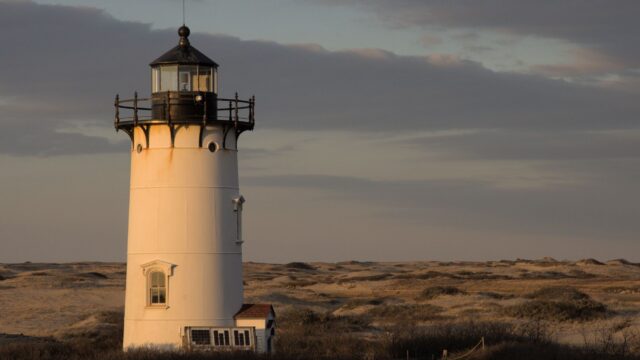
Four lighthouses line the Outer Banks, and each looks different. Climbing is seasonal, and the National Park Service charges for its climbs.
| Lighthouse | Location | Climbing (as of November 2026) |
|---|---|---|
| Currituck Beach Lighthouse | Corolla | Seasonal climbs run by a nonprofit; fee charged |
| Bodie Island Lighthouse | South of Nags Head (NPS) | Seasonal; $10 adults, $5 children under 12 (at least 42 inches tall) and seniors 62+ |
| Cape Hatteras Lighthouse | Buxton (NPS) | Closed for climbing during restoration; NPS says it will likely not open in 2026 |
| Ocracoke Lighthouse | Ocracoke village (NPS) | Not open for climbing; view from outside |
The Cape Hatteras Lighthouse was moved about 2,900 feet inland in 1999 to save it from the eroding shoreline. The grounds stay open while restoration continues. Check the Cape Hatteras National Seashore fees page for climbing status and prices.
How do you see the wild horses of Corolla responsibly?
At the north end of Corolla, the pavement of NC 12 ends and the beach becomes the road into the Carova 4×4 area. Wild horses descended from Spanish mustangs roam the beach, dunes and neighborhoods there. A Currituck County ordinance makes it illegal to feed the horses or get within 50 feet of them, and enticing or luring them is also unlawful.
- Use binoculars or a zoom lens and stay at least 50 feet away, even if a horse walks toward you.
- Never feed them; human food can kill wild horses.
- Only 4WD vehicles should drive on the beach. Lower tire pressure first, and check Currituck County’s current beach driving rules and permit requirements.
- If you do not have a 4WD vehicle, book a guided tour from Corolla.
What is there to do on the Outer Banks besides the beach?
- Wright Brothers National Memorial in Kill Devil Hills marks the first powered flights in 1903. Entry is $10 per person as of November 2026; ages 15 and under are free.
- Jockey’s Ridge State Park in Nags Head has one of the tallest natural sand dune systems in the eastern US, with sunset walks and hang-gliding lessons.
- Cape Hatteras National Seashore charges no entrance fee. Off-road vehicle permits cost $50 for 10 days or $120 for a year as of November 2026.
- Pea Island National Wildlife Refuge on northern Hatteras Island is known for birding, especially in fall and winter.
- Fort Raleigh National Historic Site on Roanoke Island tells the story of the 1580s English colony.
- Ocracoke has a fenced pasture where you can see the island’s managed herd of ponies from a viewing area on NC 12.
How do you get to Ocracoke?
Most visitors take the free state ferry from Hatteras village. Fares below are from the North Carolina Department of Transportation as of November 2026; crossing times are approximate and change with conditions and routes.
| Route | Fare (one way) | Approx. crossing | Reservations |
|---|---|---|---|
| Hatteras–Ocracoke (vehicle ferry) | Free | About 1 hour | No; first come, first served |
| Ocracoke Express (passenger ferry, Hatteras to Ocracoke village) | $7.50 per passenger; $1 per bicycle | About 70 minutes | Recommended; seasonal service |
| Cedar Island–Ocracoke | $15 for a vehicle under 20 feet; $1 pedestrian | About 2.25 hours | Recommended |
| Swan Quarter–Ocracoke | $15 for a vehicle under 20 feet; $1 pedestrian | About 2.5 hours | Recommended |
In summer, lines for the free Hatteras ferry can last hours. Go early in the morning or take the passenger ferry and rent a bike or golf cart in the village. Check NCDOT ferry ticket prices and schedules before you go.
When is the best time to visit the Outer Banks?
Summer is peak season, with warm water and full rental calendars. May, June, September and early October offer warm days with fewer people. NOAA’s tide station at Duck recorded these average water temperatures in 2023–2024:
| Month | Average water temp | What to expect |
|---|---|---|
| April | 55°F | Cool, windy; good for lighthouses and dunes |
| June | 68°F | Warming water, longer days, fewer crowds than July |
| August | 74°F | Warmest water, busiest month |
| September | 75°F | Warm water and fewer people; peak hurricane risk |
| October | 69°F | Fishing season, mild days |
What should you know about hurricanes, erosion and rip currents?
Hurricane season runs June 1 to November 30, with the highest risk from August through October. When a storm threatens, local governments often order visitors to leave before residents, and NC 12 can close for days after overwash. Buy travel insurance or book refundable rentals, and follow local evacuation orders.
Erosion is serious on parts of Hatteras Island. Several oceanfront houses in Rodanthe have collapsed in recent years, and debris can wash along the beach afterward. Stay out of closed areas and heed posted warnings.
Rip currents are common. Check the National Weather Service rip current forecast, swim near lifeguards where they are on duty, and if caught, float or swim parallel to shore rather than against the current. Our guide to the best beaches in the US explains beach flags and rip current safety in more detail.
Bottom line
Book Corolla or Duck for a quiet family week, the Kitty Hawk–Nags Head area for convenience, and Hatteras Island or Ocracoke for space and lighthouses. Visit in June or September for warm water with fewer people, keep 50 feet from the wild horses, plan around the free Hatteras ferry lines, and check NPS and NCDOT pages for lighthouse and ferry updates.
FAQ
Can you climb the Cape Hatteras Lighthouse?
Not as of November 2026. The lighthouse is closed for climbing during restoration, and the NPS says it will likely not reopen for climbs in 2026. The Bodie Island Lighthouse offers seasonal climbs instead.
Is the ferry to Ocracoke free?
The Hatteras–Ocracoke vehicle ferry is free and first come, first served. The Ocracoke Express passenger ferry and the longer Cedar Island and Swan Quarter routes charge fares.
How close can you get to the Corolla wild horses?
No closer than 50 feet. A Currituck County ordinance makes it illegal to approach within 50 feet or to feed the horses.
What is the best month to visit the Outer Banks?
September is a strong choice, with water around 75°F and fewer crowds, though it falls in peak hurricane season. June is a good alternative with lower storm risk.