FAA Expects Above 52,000 Daily Flights as Storms Hit Thanksgiving Travel
Thanksgiving flight delays are likely as the FAA sees peak volume above 52,000 daily takeoffs and storms cross the U.S. through Sunday. Hubs and TSA food rules covered.
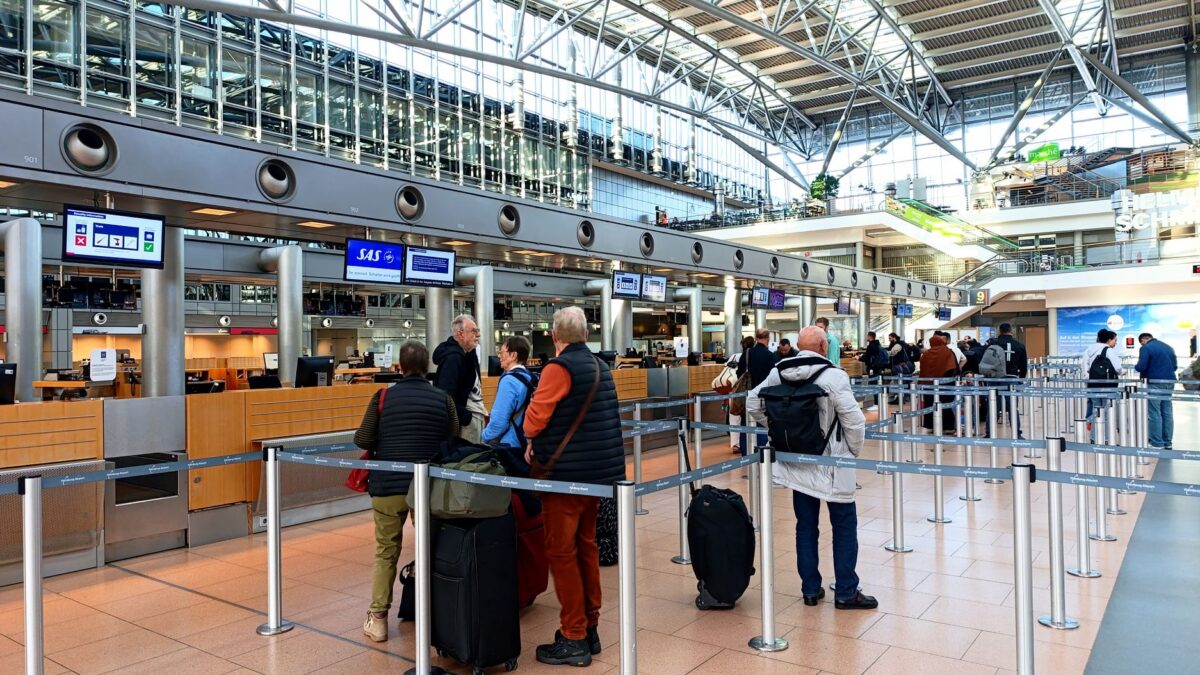
Air travelers face a crowded Thanksgiving week. According to the Federal Aviation Administration (FAA), daily flight volume is peaking above 52,000 scheduled takeoffs, which Travel Off Path describes as the biggest Thanksgiving air travel surge in 16 years. Storm systems moving from the Pacific Coast to the Northeast are forecast to affect major hubs through Sunday.
Flights are running close to full from Tuesday’s departures through Sunday’s return wave, so a weather hold at one hub can push back departures elsewhere.
What it means for travelers: delays can spread from one hub to another
Flights are near 100% capacity, according to the report, and holiday flights have almost no empty seats between Wednesday and Monday morning. A missed tight connection can leave a traveler stranded for 24 to 48 hours, Travel Off Path says.
The FAA uses Ground Delay Programs and airspace flow reroutes when thunderstorms or low clouds force busy hubs to space out landings. Those measures can hold flights at airports with clear weather. If a plane or crew starts the morning stuck in San Francisco, Atlanta or Chicago, a departure two states away can slip with it.
Where the weather is building
- West Coast: Heavy rain, low clouds and gusty winds in Northern California have already led airlines to issue flexible weather waivers in San Francisco. Wet Pacific fronts are slowing runway pacing in Seattle and Portland.
- Gulf Coast and Southeast: Thunderstorms in Houston and New Orleans, plus gusty showers around Miami, Orlando and Tampa, are moving toward Atlanta during the pre-Thanksgiving rush.
- Midwest and Northeast: Rain and low visibility are expected in Chicago, New York City, Boston and Philadelphia around Thanksgiving Day. Colder air, crosswinds and lake-effect snow showers follow for the Saturday and Sunday return, when more than 3 million travelers are expected at airports. Mountain snow is also keeping crews busy in Denver.
Food at the TSA checkpoint
Holiday food checks can slow security lanes. The Transportation Security Administration (TSA) treats anything you can spill, spread, spray, pump or pour as a liquid, subject to the 3.4-ounce (100-milliliter) limit in carry-on bags.
Per Travel Off Path, baked pies, cakes, whole turkeys, mac and cheese and stuffing can go through in a carry-on. Cranberry sauce (including jellied cans), gravy, creamy dips, jams, maple syrup, wine and partially melted gel ice packs can lead to a manual bag inspection and be discarded. Those items can go in checked luggage instead, and freezer packs should be frozen solid at the checkpoint.
International trips
Travelers heading to places such as Cancun, Cabo San Lucas or Punta Cana may also feel hub delays, because many afternoon flights south use aircraft that rotate through northern hubs earlier in the day. Passport halls are expected to be crowded on Sunday afternoon. Travel Off Path suggests checking official entry requirements, customs baggage rules and travel advisories, and notes that the free CBP Mobile Passport Control app is an option for returning travelers without Global Entry.
Steps travelers are taking when delays hit
- Checking the airline app for active weather waivers, which often allow a free move to an earlier day or a swap of connecting hubs.
- Looking up the inbound aircraft in the airline app about 4 hours before departure.
- Rebooking in the app while waiting in a customer service line.
- Choosing flights that leave before 8:00 AM when changing plans, since those use planes parked overnight at the gate.
- Arriving 45 to 60 minutes earlier than usual, as parking garages, rental car shuttles and bag-drop counters are expected to hit capacity through Monday.
Why it matters for those driving instead
Road travelers face their own peak days. This site’s guide to Thanksgiving road trip traffic and drive times covers the busiest periods on highways.
Source: Travel Off Path