Threatt Filling Station on Route 66 Is Restored for Visitors
The Threatt Filling Station near Oklahoma City, the only known Black-owned gas station on Route 66, has a restored exterior and welcomes visitors again.
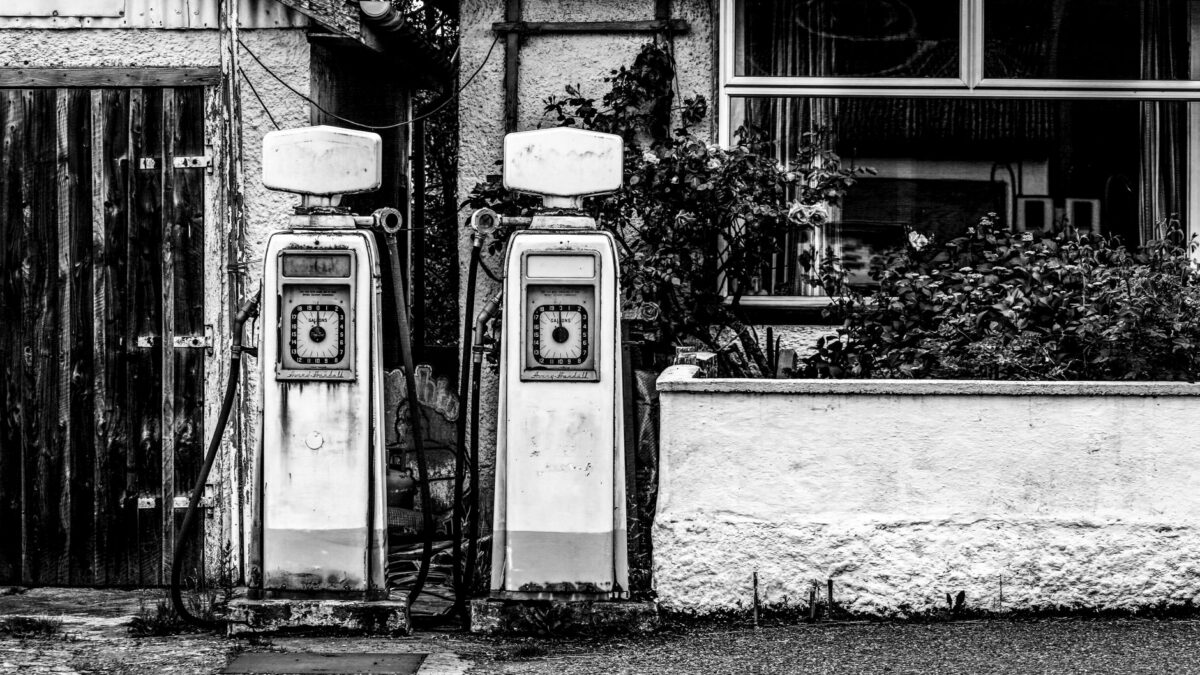
The Threatt Filling Station, just east of Oklahoma City, has a restored exterior and is open to visitors, NPR reported. According to the National Trust for Historic Preservation, it was the only known Black-owned and operated gas station on Route 66. The building closed to the public in the 1970s and is now on the National Register of Historic Places.
The family that founded the station still owns it and the 150 acres around it. Visitors can talk with members of the Threatt family, read new signs about the station’s history and buy a T-shirt.
A stop that served Black travelers in the Jim Crow era
Route 66 ran more than 2,000 miles from Chicago to Los Angeles. During the Jim Crow era, NPR reported, Black families on the highway had to carry their own food and gas because most restaurants, gas stations and motels would not serve them.
The Threatt station offered fuel, food and a place to stop for the night. Linda Fisher, granddaughter of founder Allen Threatt Sr., said her grandparents gave travelers food, blankets and shelter when they needed them. She said a sundown town (an all-white community that warned non-white people to leave before dark or face violence or police harassment) sat on either side of the station in that period. At the Threatt station, she said, “everyone was welcome.”
From Ozark Trail stop to community hub
Threatt moved from Alabama to the farming community of Luther, Oklahoma, in the early 1900s as part of the Great Migration. His father had been born into slavery. Oklahoma then allowed Black migrants to own land and form their own towns: between 1865 and 1920, Black Americans settled more than 50 all-Black municipalities there, the most of any state, according to NPR.
Threatt built the first station in 1915, after noticing traffic passing a corner of his property on what was then the Ozark Trail. Route 66 was established in 1926, and traffic grew. After the original wooden building burned, he built a sandstone replacement shaped like a small house.
The property later hosted dances in the restaurant next door, social club meetings and barbecues. Players from the Negro Leagues occasionally played on the baseball diamond. Two of Allen and Alberta Threatt’s 11 living children took over the station in the 1950s.
Decline and restoration
Traffic on Route 66 dwindled after construction of the Interstate Highway System, and the station had closed by the mid-1970s. Decades later the building was derelict. In 2021, the National Trust for Historic Preservation named it one of America’s 11 Most Endangered Historic Places.
Three of Allen Threatt Sr.’s grandchildren had already begun work to restore the property a few years earlier. With nonprofit grants and family labor, the exterior has been restored. Ceramic Conoco gas pumps from the 1940s stand outside.
Why it matters for Route 66 travelers
For people driving the old highway today, the station is a stop that documents how Black travelers experienced it. Edward Threatt, another grandson and one of the restoration leaders, said the family is working to honor those who came before them. Planning a longer Oklahoma drive? Our guide to cutting gas, lodging and food costs on a road trip may help.
What the family plans next
The family intends to build an RV park and a restaurant, and possibly a new baseball diamond. NPR did not report dates for those projects or visiting hours.
Source: NPR