FAA Says $875 Million AI Flight Tool Did Not Cause Ground Stop
Officials and the company behind the FAA's SMART system say it did not cause the airline ground stop. What the AI tool does and who decides.
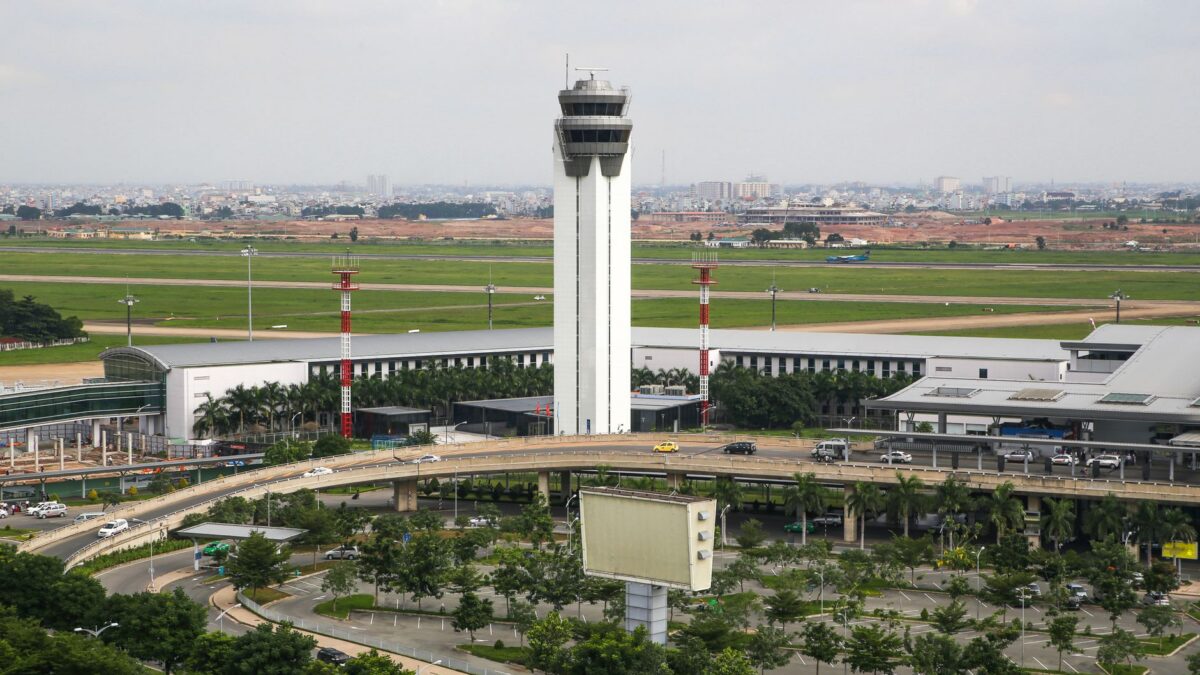
The airline ground stop that disrupted travel starting Friday was not caused by the Federal Aviation Administration’s new AI-powered traffic system, according to government officials and the company that built it, ABC News reported. The $875 million system, called SMART, went into nationwide use on Nov. 10, three days before the ground stop.
Homeland Security Secretary Markwayne Mullin said Friday there was no sign that the communications issues that caused the ground stop came from the new computer system. The top officials at the Transportation Department and the FAA said the same on Saturday.
What the company and lawmakers have said
Air Space Intelligence, or ASI, the startup that designed SMART, said the ground stop was not caused by “the SMART system, any product of ASI or our integration with FAA and ATC.” ATC is short for air traffic control.
Concerns about the software are older than the ground stop. Last month House Democrats wrote to the U.S. Government Accountability Office asking for an audit of it. Their Oct. 13 letter said frontline aviation safety workers apparently had little to no say in how SMART was developed and have received limited training during the rollout. The letter also raised the possibility that the AI could interfere with decisions by experienced controllers or hallucinate safety information, meaning produce false information and present it as fact.
How SMART handles flights and weather
SMART stands for Strategic Management of Airspace, Routes and Trajectories. Transportation Secretary Sean Duffy and FAA Administrator Bryan Bedford unveiled it in September and described a single platform that pulls together 200 data streams, among them weather patterns, flight paths, traffic flow and controller staffing.
The work happens in a single location near Washington, where a team of specialists reviews what the system shows. That office sends recommendations to the FAA’s command center, and the command center passes them to air traffic controllers around the country to consider.
A government fact sheet says the tool can predict where traffic is headed and find other routes before an area gets too crowded. It can also help reopen restricted airspace sooner and manage airport arrivals.
Weather is a large part of the pitch. The FAA now closes off storm-affected airspace in large rectangular boxes, the fact sheet says, while real thunderstorms are often irregular and leave narrow gaps that aircraft could fly through safely. SMART is meant to show how weather will affect traffic over time, so controllers can plan around a storm and keep using open airspace.
What the Washington test showed
The FAA says an initial test in the Washington area this fall helped reroute 180 flights. Those flights saved an average of 10 minutes and 80 gallons of fuel each by going around weather or other problems, according to the agency. One flight from Tampa, Florida, to Dallas arrived 42 minutes sooner.
After that test the agency extended SMART to the airspace of all 22 air traffic control centers.
Why it matters for people who fly
Recommendations from the system now reach controllers handling flights across the country, and people still make the final call. ASI co-founder and CEO Phillip Buckendorf told NPR in October that the AI does the computation and the human operator chooses whether to accept its suggestion. “They make the decision, they are the decider, they are the judge,” he said.
Mike O’Donnell, who worked at the FAA for 17 years and now consults on aviation safety, said the agency needs a way to verify and validate what the AI produces so controllers do not receive wrong information. He warned against trusting it heavily until it has proven itself many times over, which he said will take a while.
No other country has a working AI air traffic tool like SMART, according to Michael McCormick, a former FAA airspace manager who teaches at Embry-Riddle Aeronautical University. Eurocontrol, the European air traffic authority, has a system in testing, and several manufacturers are building prototypes.
The rollout comes during a long shortage of air traffic controllers. The National Air Traffic Controllers Association told Congress in 2015 that the shortage had reached a crisis level. The union represents about 14,000 controllers, and roughly 3,000 of them are trainees.
Source: ABC News