DarkSky International Honors Voyageurs Park in Minnesota for 2026
Minnesota's Voyageurs National Park won DarkSky International's 2026 Dark Sky Place of the Year award. Here is what sets its night skies apart.
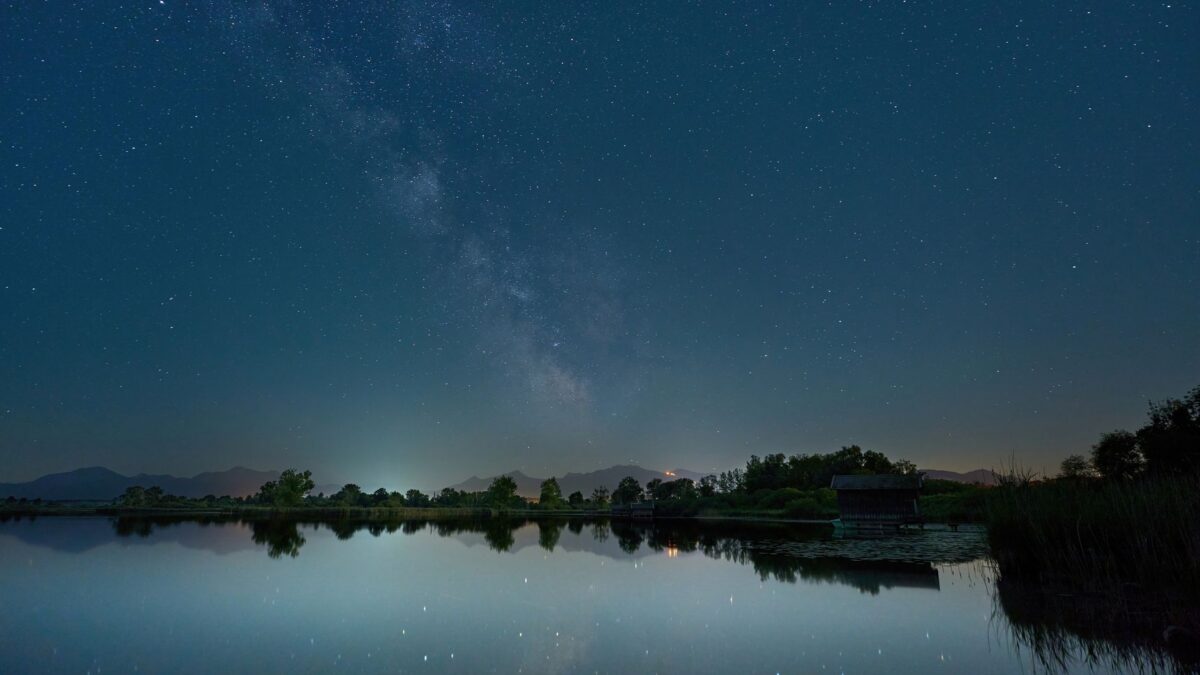
Voyageurs National Park in northern Minnesota has been named DarkSky International’s 2026 Dark Sky Place of the Year, Outside reported. The annual award honors individuals and organizations that work to protect nighttime environments.
The park, a roughly five-hour drive from Minneapolis, has been an International Dark Sky Park since 2020. The new award recognizes what has happened since then, according to Christina Hausman Rhode, executive director of Voyageurs Conservancy, the park’s nonprofit partner. She credited a shared effort by the National Park Service, the Conservancy and the gateway communities around the park.
What the park has done since 2020
Outside lists the park’s results since it earned certification. Its Virtual Dark Sky Classroom has reached some 8,300 students. Nearly 6,000 people have attended Park After Dark and other nighttime programs, and more than 1,300 visitors have come to six annual Star Parties. Around 40,000 students nationwide take part in Boreal Stargazing Week each year.
The work also involved the park’s own lighting. Under a new lighting management plan, outdoor fixtures were swapped for dark-sky-friendly versions that aim light downward instead of into the sky. National Park Service staff regularly visit five locations in the park to measure darkness with a sky quality meter, a device that gauges the brightness of the night sky. On a scale where 22.0 is the darkest natural night sky, Voyageurs averages 21.45.
Ruskin Hartley, CEO and executive director of DarkSky International, told Outside the award is about the people behind the protection. The group he leads points to land managers, rangers and community partners who back responsible lighting and share the park with the public.
Why the skies are so dark here
Outside reports that about 40 percent of Voyageurs is water, made up of interconnected glacial lakes. No foothills block the horizon, and the park’s 30 calm lake surfaces can mirror the constellations. The park covers 218,000 acres and draws roughly 200,000 visitors a year, compared with the 12 million annual visitors to Great Smoky Mountains National Park.
Light pollution is the problem the award is aimed at. A recent National Park Service report found that 80 percent of Americans cannot see the Milky Way from their homes, according to Outside.
Pressures on the surrounding region
The recognition arrives after a hard year nearby. In July, lightning-sparked wildfires, driven by hot and windy conditions, forced the rare closure of the entire million-acre Boundary Waters wilderness next door, with evacuations and disrupted summer travel plans. Voyageurs officials banned campfires and charcoal grills for six weeks as a precaution.
Environmental groups also worry about proposed copper and nickel mining in the Boundary Waters area. Libby London, communications director for Save the Boundary Waters, told Outside that copper mining from a proposed Twin Metals mine would affect Voyageurs. The two protected areas are connected by the Rainy River watershed, and Pete Marshall of Friends of the Boundary Waters Wilderness said pollution that reaches the water can spread several hundred miles.
What this means for visitors
People who cannot make the trip can join the park’s virtual programs, which the park has been expanding. Those who do go will find a park with far fewer crowds than the best-known national parks and lake surfaces that add to the stargazing. Anyone planning a stargazing trip can compare other options in a list of certified dark sky places in the US.
Conditions such as weather and wildfire restrictions can change, so check with the National Park Service for current information before traveling.
Source: Outside