Gas Falls Below $4 a Gallon as October Prices Rise 0.4%
Gas fell below $4 per gallon for the first time since July, but October prices still rose 0.4%, with airfares and diesel up. What it means for travel.
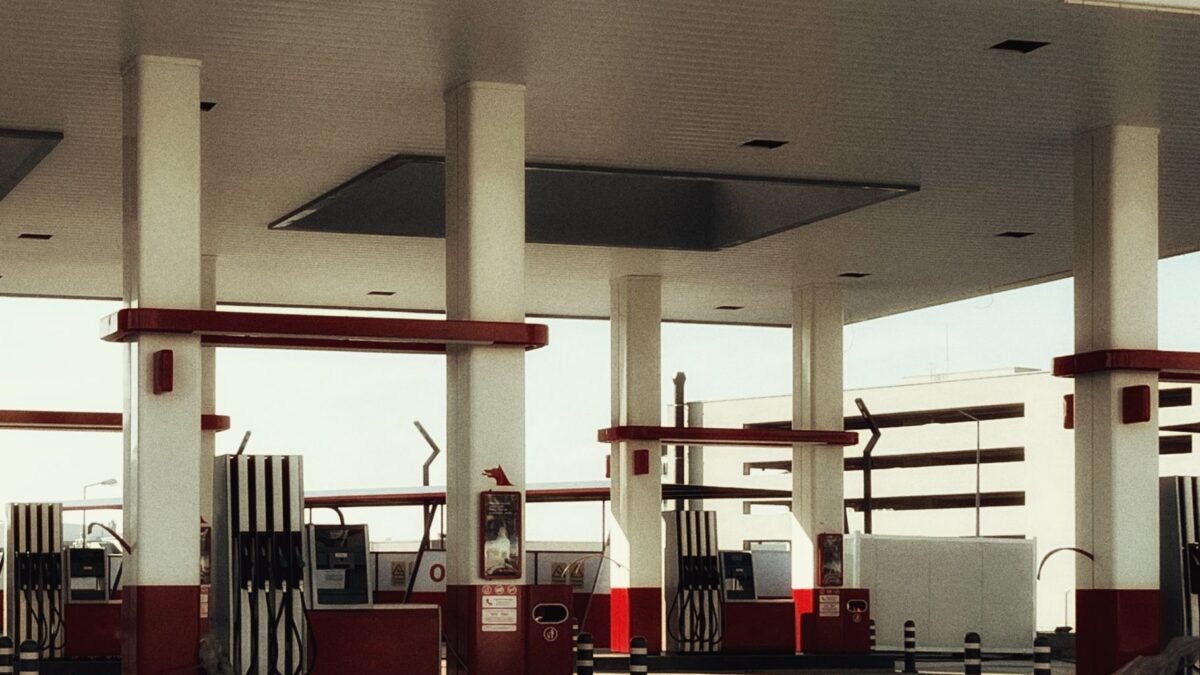
Consumer prices rose 0.4% in October, the Bureau of Labor Statistics reported Tuesday, a slower pace than the 0.6% jump in September. Falling pump prices drove much of the cooling, and AAA data showed the national average for gasoline dropped below $4 per gallon on Tuesday for the first time since July.
Prices still climbed faster than economists had widely expected, according to NBC News. Forecasters had predicted a 0.3% rise in overall inflation and 0.2% in core inflation, which leaves out food and energy.
What it means for drivers and travelers
AAA’s average price for a gallon of regular fell from $4.41 on Oct. 1 to $4.18 by the end of the month, a drop of more than 5%. The BLS gasoline index nonetheless rose 1% over the month, so the cost of fuel as the agency measures it did not fall in October.
Crude oil moved sharply lower in early trading Tuesday. Brent briefly slid below $90, after reaching as high as $118 on Oct. 30.
Diesel is a different story. Its price is 70% higher than at the start of the year, a much steeper climb than regular gasoline has seen. Diesel fuels the trucks that move goods such as groceries to stores. Economists have warned repeatedly since the U.S. and Israel launched the Iran war in February that the surge in diesel could push up food costs.
Airfares also rose in October, according to the BLS report, by roughly the same amount as physicians’ services. Used car and truck prices went the other way and fell 1.2%, while new vehicle prices rose.
Other prices that moved in October
- Home heating oil rose 2% from September, and electricity rose 0.9%.
- Baby food and infant formula posted their largest increase on record, 5.1%.
- Smartphones rose a record 1.4%. NBC News said demand for memory chips from data centers has led dozens of electronics companies, Apple among them, to raise prices.
- Restaurant and takeout prices, grouped as “food away from home,” rose 0.5%.
- Grocery prices, tracked as “food at home,” rose by the most since April.
- Toy prices rose 1.8%, weeks before the holiday season.
Hospital services, vehicle insurance, dairy, and fruits and vegetables also showed large monthly increases.
Core inflation and the Fed
Core inflation rose 0.3% from September, the third month in a row at that pace. NBC News reported that a higher-than-expected core reading suggests high energy costs may be spreading into the wider economy.
Federal Reserve governor Christopher Waller spoke at a central banking conference in London earlier Tuesday, before the data came out. He said that even with an improvement over September, he would still back a 25 basis point rate increase at the Fed’s Dec. 8-9 meeting. If core inflation rose 0.3% or more, he said, a 50 basis point hike should be considered. “Hiking only 25 basis points would put our credibility at risk,” he said.
Shortly after he spoke, the BLS reported the 0.3% core figure. The Fed has not raised rates by half a percentage point in a single meeting since 2022, and it usually prefers a series of 0.25% steps.
September’s inflation had reached 3.7% on a year-over-year basis. Tuesday’s report carries no year-ago comparisons, because the October 2025 government shutdown forced the BLS to cancel that month’s inflation report.
What to watch
The Fed’s next rate decision comes at the Dec. 8-9 meeting. The BLS, which publishes the consumer price index, and AAA, which tracks daily pump prices, are the sources for the figures above.
Source: NBC News